
How unresolved water damage affects your home sale in Post Falls and Coeur d'Alene, what inspectors look for, and why fixing it before you list protects your price and your closing.
By Matthew Ratautas | DryMax Restoration | March 2026
Selling a home in Post Falls or Coeur d'Alene is exciting, but for a lot of homeowners, the process surfaces problems they didn't know were there. Water damage is one of the most common surprises that comes up during the inspection phase. And by then, it's almost always a more complicated situation than it would have been if it had been caught and addressed earlier.
Whether you've had a past leak, a crawlspace that stays damp in spring, or a bathroom that's quietly been developing a moisture problem for a few years, water damage has a way of showing up on inspection reports at the worst possible time. It can delay closings, reduce your sale price, or in some cases cause buyers to walk away entirely.
This guide covers what North Idaho homeowners should understand about water damage before they list, how inspectors find it, what disclosure obligations look like in Idaho, and why addressing it before you put the sign in the yard is almost always the better financial decision.
Why Water Damage Is So Common in North Idaho Home Sales
The real estate market in Kootenai County and the greater Spokane area has seen significant activity over the past several years. A lot of the homes changing hands are older properties that have gone through years of North Idaho winters, freeze-thaw cycles, snowmelt seasons, and the kind of gradual moisture exposure that accumulates slowly and invisibly.
Many sellers have lived in their homes for years without noticing anything obviously wrong. That doesn't mean there isn't a problem. Some of the most damaging moisture issues in North Idaho homes develop in places homeowners rarely look, including crawlspaces, attic spaces, and inside wall cavities near bathrooms or appliances.
Crawlspaces are a particularly common source of surprise findings during home inspections in this area. Our post on why crawlspaces in North Idaho homes stay wet long after winter ends explains why seasonal moisture gets trapped under homes here and how that leads to the kind of mold and structural issues that show up on inspection reports.
The point is that water damage in a home being listed for sale is not unusual. What matters is how you handle it.
What Home Inspectors Look for When It Comes to Water Damage
Home inspectors in Idaho are thorough, and water damage is one of the primary things they're trained to find. Understanding what they look for gives sellers a clear picture of what's likely to come up.
Moisture Meters and Visual Cues
Inspectors use moisture meters to test walls, floors, and ceilings in areas where water intrusion is common. These tools detect elevated moisture levels inside building materials even when the surface looks and feels dry. A reading above normal in a bathroom wall, under a kitchen sink cabinet, or near a water heater is enough to flag the area for further investigation.
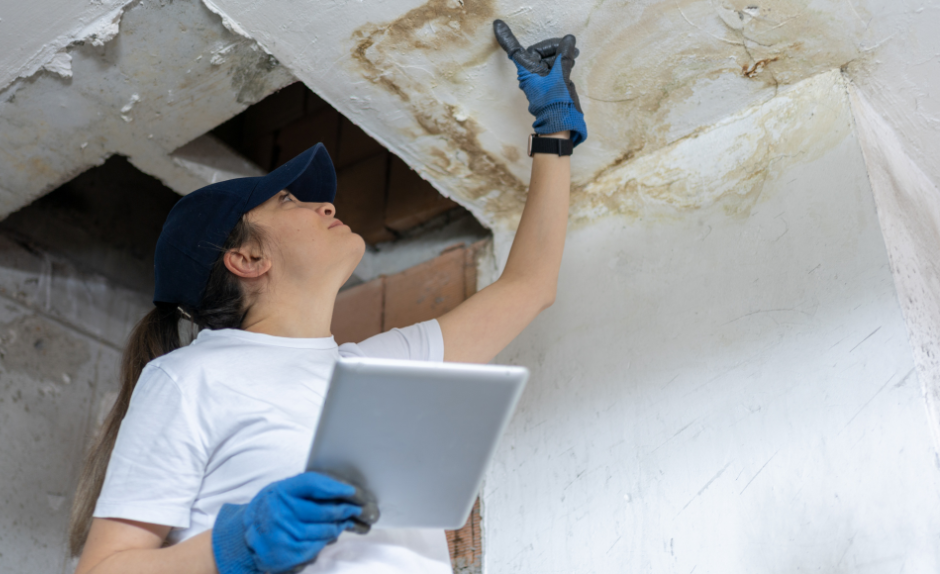
Visual cues inspectors look for include staining on ceilings and walls, bubbling or peeling paint, soft spots in flooring, efflorescence on basement or foundation walls (that white chalky residue that indicates water has been moving through concrete), and any discoloration on wood framing visible in attics or crawlspaces.
Crawlspace and Attic Inspections
Most home inspectors in North Idaho include crawlspace and attic access as part of a standard inspection. These are the areas where moisture problems are most likely to have been developing quietly. Inspectors look for standing moisture, damaged vapor barriers, mold staining on wood framing, insulation that has been compressed or degraded by repeated wetting, and signs of past flooding.
Attic inspections focus on the underside of the roof decking, the condition of insulation, and whether bath fans are venting properly to the outside. A bath fan that has been venting into the attic rather than outside is a very common finding in older North Idaho homes and it leads directly to the kind of attic condensation and moisture buildup that shortens roof life and creates mold conditions.
For more detail on how attic moisture problems develop and what the warning signs look like, our post on why attic condensation in North Idaho homes is a hidden water damage problem most homeowners miss covers the topic in depth.
Foundation and Basement Checks
Inspectors examine foundation walls for cracks, staining, and signs of past water intrusion. Basements are checked for efflorescence, mold, musty odors, and any evidence that water has entered the space. Even if a basement has been dry for years, past water damage often leaves evidence that trained inspectors can identify.
Idaho Disclosure Requirements and Water Damage
Idaho is a disclosure state. When you sell a home in Idaho, you are required to complete a Seller's Property Disclosure Form that covers known material defects, including water damage, drainage problems, and moisture issues.
The key word is known. You are required to disclose water damage that you are aware of. You are not required to hire specialists to uncover problems you genuinely didn't know about. However, if you have had a past leak, if you've noticed moisture in the crawlspace, if you've seen mold in a bathroom, or if you've filed an insurance claim for water damage, all of that needs to be disclosed.
Failing to disclose known water damage in Idaho can expose sellers to legal liability after the sale. Buyers who discover undisclosed defects can pursue claims for damages, and courts have found in favor of buyers in cases where sellers withheld material information about the condition of the property.
The Idaho Real Estate Commission's disclosure guidelines outline exactly what sellers are required to disclose. It's worth reviewing this before you list, particularly if your home has had any moisture-related history.
The practical takeaway here is that transparency tends to serve sellers better than concealment. A buyer who finds undisclosed water damage during inspection loses trust in the seller immediately, and that loss of trust often costs more in renegotiation than the repair itself would have.
How Unresolved Water Damage Affects Your Sale Price
Water damage that shows up on an inspection report gives buyers negotiating leverage. In a market where buyers are already cautious, a report that lists moisture issues, mold, or structural concerns related to water intrusion can shift the dynamic of the entire transaction.
Buyers have a few options when water damage is found during inspection. They can request that the seller repair the damage before closing. They can request a price reduction to cover the cost of repairs. They can ask for a credit at closing. Or they can walk away entirely, especially if the damage appears extensive or if they're working with a lender who requires the home to be in a certain condition before approving financing.
The problem with waiting for buyers to find the damage is that repair estimates obtained during an inspection contingency period are almost always higher than what you'd pay if you addressed the issue on your own timeline before listing. Buyers and their agents tend to get conservative estimates that account for worst-case scenarios. A crawlspace moisture issue that costs a few hundred dollars to properly address might show up on a buyer's repair estimate as a multi-thousand-dollar line item.
Fixing known water damage before listing also gives you the ability to market the home accurately and confidently. A home that has been inspected, treated, and certified as moisture-free is a much easier sell than one where buyers are uncertain what they're getting into.
The Role of Mold in Real Estate Transactions
Mold is one of the most significant complicating factors in a real estate transaction involving water damage. When mold is present, buyers become concerned about health risks, remediation costs, and whether the underlying moisture problem has been fully resolved.
The EPA's guidance on mold in homes makes clear that mold growth is a moisture problem first and a mold problem second. You cannot address mold permanently without addressing the moisture source. This matters in a real estate context because a home that has been painted over or superficially cleaned without proper remediation will almost certainly have recurring mold after the sale, which creates legal exposure for the seller.
Professional mold remediation that follows IICRC standards creates a documented record that the work was done correctly. That documentation can be provided to buyers, their agents, and their lenders as evidence that the problem has been properly addressed. It's a much stronger position than simply saying the mold was cleaned up.
The IICRC S520 Standard for Professional Mold Remediation is the industry benchmark for how mold remediation should be performed and documented. Sellers who can show that remediation was performed to this standard are in a considerably stronger position during buyer negotiations.
What to Do If You Discover Water Damage Before Listing
If you find water damage while preparing your home for sale, the instinct for many sellers is to either ignore it and hope the inspector misses it, or to do a quick cosmetic fix and move on. Neither of those approaches tends to work out well.
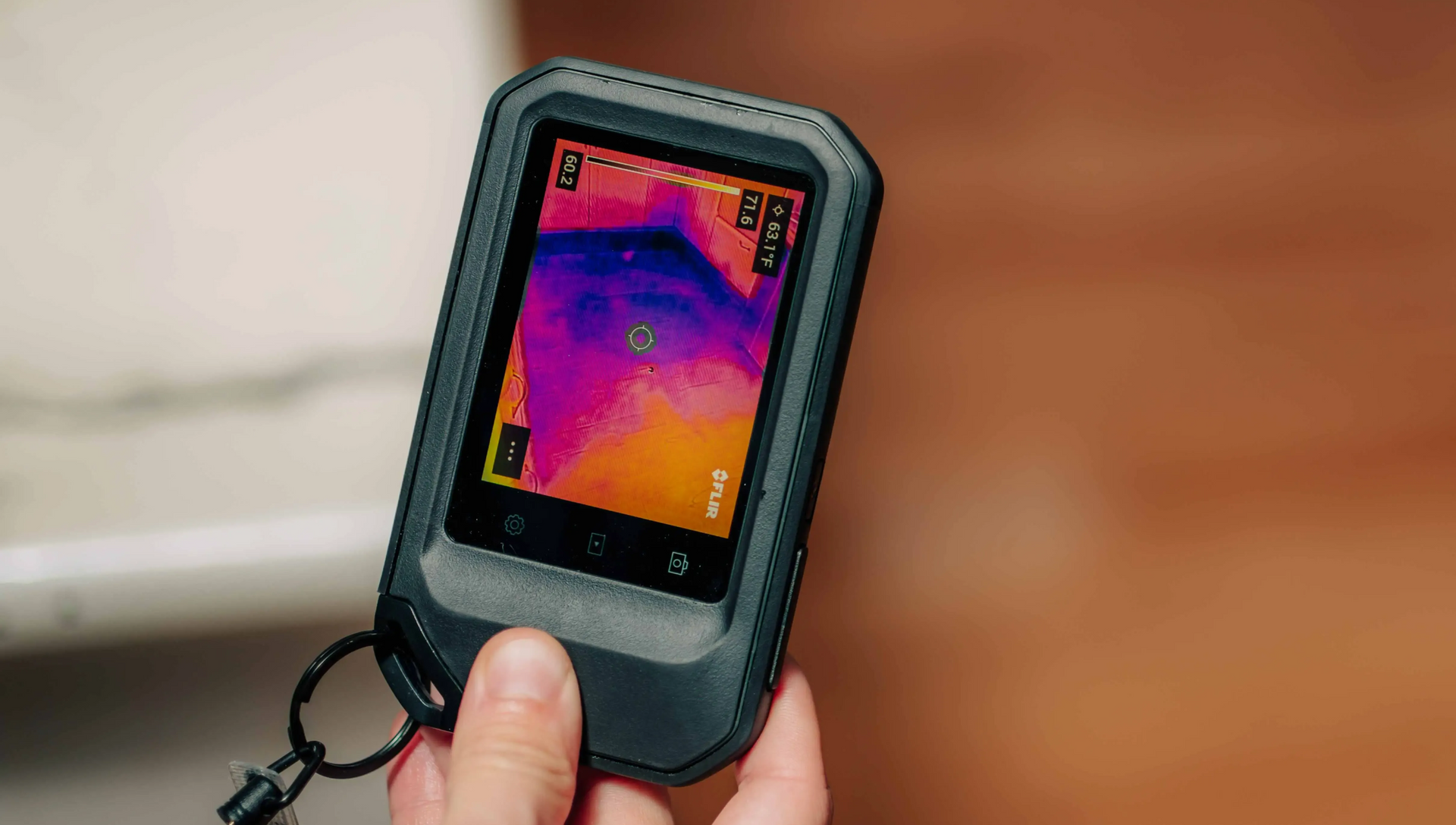
The better path is to get a professional moisture assessment done before the listing goes live. A restoration professional can use moisture meters and thermal imaging to identify the full extent of any water damage, including areas that aren't visible to the naked eye. That assessment gives you an accurate picture of what you're working with and what it will cost to address it properly.
From there, the options are straightforward. You can complete the repairs, document everything, and list the home with confidence. Or you can price the home to reflect the known condition, disclose fully, and let buyers factor it into their offers. Either approach is more defensible than discovering it mid-transaction.
Common Pre-Listing Water Damage Repairs
The most frequently addressed water damage issues in North Idaho homes before listing include:
• Crawlspace moisture remediation and vapor barrier installation or replacement
• Mold treatment on attic framing or crawlspace joists
• Subfloor repair or replacement in bathrooms and laundry areas
• Bathroom caulk and grout restoration to prevent ongoing seepage
• Correction of bath fan venting that terminates in the attic rather than outside
• Foundation crack sealing and exterior drainage improvements
None of these are catastrophic repairs on their own. Addressed before listing, they're routine maintenance items. Discovered by a buyer's inspector mid-transaction, they become leverage points that can cost sellers significantly more in concessions than the repair would have cost.
Getting a Pre-Listing Moisture Inspection
One of the most practical steps a North Idaho homeowner can take before listing is scheduling a professional moisture inspection. This is different from a standard home inspection. A moisture-focused assessment uses specialized equipment to check the areas most likely to have hidden water damage, including crawlspaces, attic framing, bathroom subfloors, and areas near appliances.
Having this assessment done before listing accomplishes a few things. It tells you exactly what you're working with before a buyer's inspector does. It gives you time to address any issues on your own timeline and budget. And it demonstrates to potential buyers that you've been proactive about the condition of the home, which builds trust in the transaction.
For homeowners who have had water damage events in the past, whether from a burst pipe, flooding, or a slow leak, our post on what happens if water damage is left untreated for 30, 60, or 90 days explains how damage progresses over time and why professional assessment matters even when a past event seemed minor at the time.
In a market like Post Falls and Coeur d'Alene where buyers are increasingly sophisticated and home inspections are thorough, being ahead of the moisture question is one of the smartest things a seller can do.
A Note on Flood Zone Properties
If your home is located in or near a flood zone, there are additional considerations that matter to buyers. Flood zone designation affects insurance requirements, financing eligibility, and buyer perception of long-term risk.
The FEMA National Flood Insurance Program provides flood zone maps and resources that buyers and their lenders will reference. If your property is in a designated flood zone, buyers who use conventional financing may be required to carry flood insurance, which adds to their ongoing costs and can affect how they value the property.
Our post on flood zone property in North Idaho: what Post Falls and Coeur d'Alene homeowners need to know before buying covers the flood zone landscape in Kootenai County in detail. If your home is in or near one of those zones, it's worth understanding how buyers will approach that risk.
Final Thoughts
Water damage and real estate have an uncomfortable relationship. Damage that's been developing quietly for years has a way of becoming very visible at exactly the wrong moment in a transaction. For homeowners in Post Falls, Coeur d'Alene, and the greater Spokane area, where seasonal moisture exposure is a real and ongoing factor, getting ahead of this issue before listing is one of the most financially sound decisions a seller can make.
A pre-listing moisture assessment costs a fraction of what a mid-transaction repair request or price reduction typically costs. Disclosing and addressing known water damage before buyers see the home puts you in control of the narrative and the price. And working with a certified restoration professional to document any remediation gives buyers the confidence they need to move forward without hesitation.
If you're planning to list your home in the next six to twelve months, have you taken a close look at the areas of your home where water damage most commonly hides?