
How snowmelt, poor drainage, and cool spring temperatures trap moisture under your home
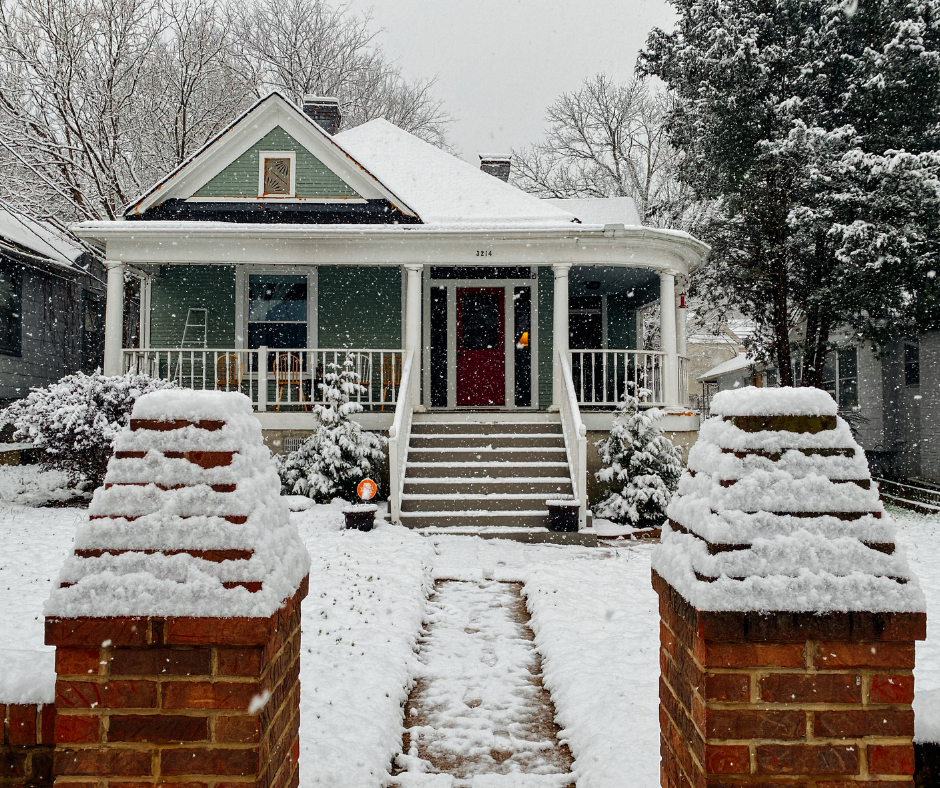
When winter finally loosens its grip on North Idaho, most homeowners assume moisture problems disappear with the snow. But in Post Falls and Coeur d’Alene, crawlspaces often stay damp well into spring and sometimes even early summer long after snow has melted and yards look dry.
This lingering moisture isn’t random, and it’s not harmless. In fact, wet crawlspaces are one of the most common sources of hidden water damage and mold growth we see in North Idaho homes.
Why Crawlspaces Are So Vulnerable in North Idaho
Crawlspaces are naturally prone to moisture, but the climate and soil conditions in Kootenai County make the problem worse.
Several regional factors contribute to persistent crawlspace moisture:
- Heavy winter snowpack followed by rapid spring thaw
- Frozen or compacted soil that drains poorly
- High seasonal groundwater levels
- Cool spring temperatures that slow evaporation
According to the U.S. Geological Survey, snowmelt doesn’t just run off the surface it also raises shallow groundwater levels, sometimes for weeks after visible snow is gone. That moisture often migrates toward the lowest point around a home, which is usually the crawlspace.
Snowmelt Doesn’t Just Disappear
One of the biggest misconceptions homeowners have is that once snow melts, the moisture problem is over. In reality, melting snow saturates the soil around foundations, and that water moves slowly.
In crawlspaces, this moisture can enter through:
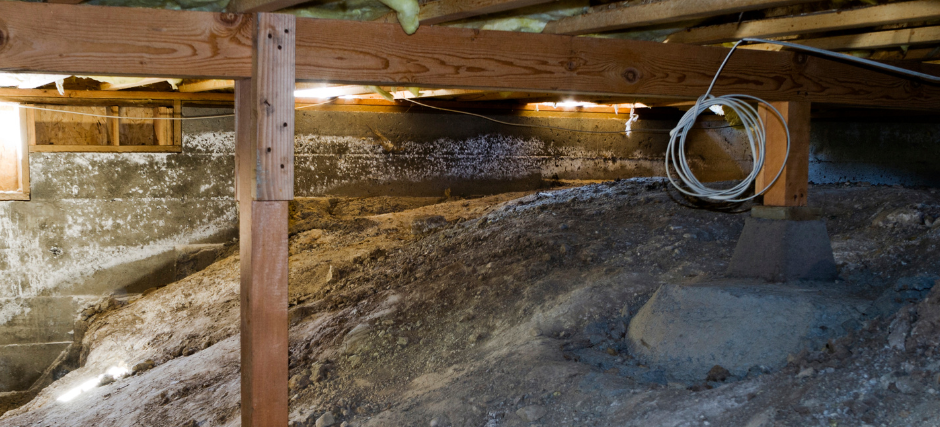
- Exposed soil floors
- Foundation vents
- Small foundation cracks
- Gaps around plumbing penetrations
Once inside, the damp air tends to linger. Crawlspaces don’t get much airflow, and during spring they’re often colder than the outside air, which creates condensation instead of drying.
The Building Science Corporation has long documented how cool crawlspaces trap moisture when warmer, damp outdoor air enters and condenses on cooler surfaces.
Poor Drainage Makes the Problem Worse
Many homes in Post Falls and Coeur d’Alene were built decades ago, before modern drainage standards were common. Over time, landscaping changes, soil settling, and hardscaping can unintentionally direct water toward the home.
Common drainage related issues include:
- Downspouts discharging too close to the foundation
- Soil sloping toward the crawlspace instead of away
- Blocked or undersized perimeter drains
- Concrete walkways trapping water near foundation walls
Even small drainage issues can keep crawlspaces wet for months at a time.
Why Crawlspaces Stay Wet Longer Than Basements
Basements usually get attention quickly when water shows up. Crawlspaces, on the other hand, are out of sight and out of mind.
Crawlspaces tend to stay wet longer because:
- They’re rarely heated
- Air circulation is minimal
- Moisture evaporates slowly at ground level
- Damp insulation and wood absorb water like a sponge
The Environmental Protection Agency has noted that moisture problems in crawlspaces are a leading contributor to mold growth and poor indoor air quality throughout the rest of the home, even when living areas appear dry.
Signs Your Crawlspace Is Still Wet (Even If You Can’t See It)
Many homeowners don’t realize their crawlspace is wet until secondary damage shows up. Some common warning signs include:
- A musty or earthy smell inside the home
- Increased indoor humidity in spring
- Cold floors above the crawlspace
- Warped subflooring or soft spots
- Visible mold on baseboards or lower walls
These symptoms are often blamed on seasonal humidity, but crawlspace moisture is frequently the real cause.
Why Wet Crawlspaces Lead to Mold and Wood Damage
Once moisture stays trapped long enough, mold growth becomes almost unavoidable. Mold doesn’t need standing water just damp surfaces and organic material.
In crawlspaces, mold commonly grows on:
- Floor joists and subflooring
- Insulation backing
- Sill plates and beams
Over time, prolonged moisture can also weaken structural wood, attract pests, and spread odors throughout the house via air movement.
Why DIY Fixes Usually Don’t Work Long-Term
Running a fan or placing a small dehumidifier in a crawlspace might help temporarily, but it rarely solves the underlying issue. Without addressing drainage, soil moisture, and airflow, crawlspaces usually re-wet as soon as conditions change.
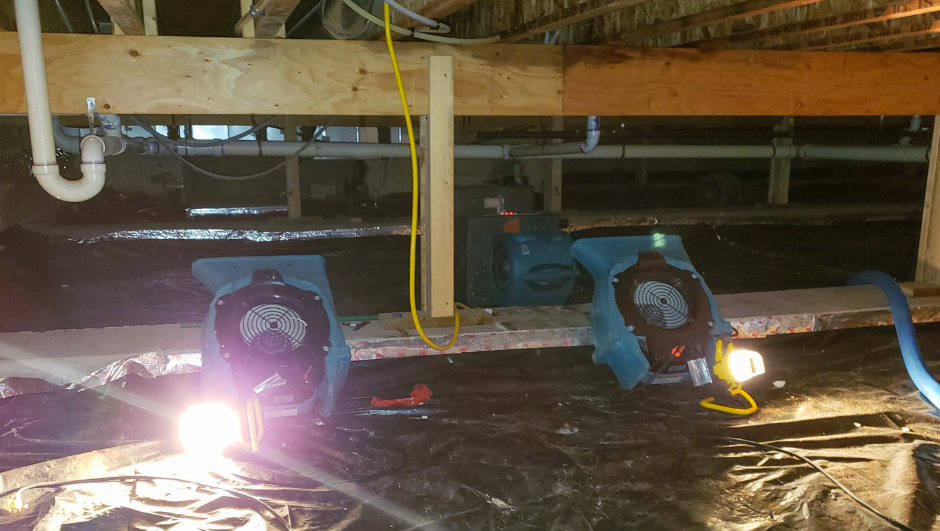
Proper crawlspace drying and remediation often involves moisture detection, controlled dehumidification, and correcting how water moves around the home not just drying what’s visible.
Conclusion
In North Idaho, crawlspaces often stay wet long after winter ends due to snowmelt, poor drainage, and cool spring conditions, creating hidden risks for water damage and mold that many homeowners don’t notice until it’s too late. So when was the last time you checked what’s really happening under your home?