
Understanding spring snowmelt water intrusion risks for homes in Post Falls and Coeur d’Alene
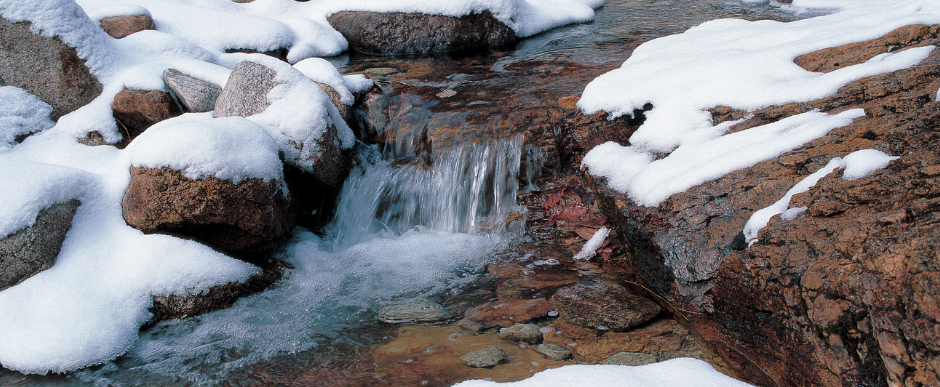
Every spring in North Idaho, the snow starts to disappear, the temperatures warm up, and homeowners breathe a sigh of relief that winter is finally over. Unfortunately, for many homes in Post Falls and Coeur d’Alene, spring snowmelt quietly creates one of the most overlooked causes of water damage—and most people don’t realize it’s happening until months later.
Unlike a burst pipe or a flooded basement that’s impossible to miss, snowmelt damage tends to be slow, hidden, and deceptive. And by the time visible signs show up, the damage has often already spread.
Why Snowmelt Is a Bigger Problem in North Idaho
Spring snowmelt behaves very differently than rain. In areas like Kootenai County, several factors combine to make melting snow especially risky for homes:
- Frozen or partially frozen ground prevents water from absorbing properly
- Rapid temperature swings cause snow to melt faster than soil can handle
- High seasonal water tables push moisture toward foundations
- Older drainage systems struggle to keep up with sudden runoff
According to the U.S. Geological Survey, snowmelt runoff can move large volumes of water over a short period of time, often overwhelming natural drainage paths (USGS Water Science School). This is particularly relevant in low-lying neighborhoods near the Spokane River and surrounding wetlands.
In short, the water has to go somewhere—and that somewhere is often toward your home.
How Snowmelt Causes Hidden Water Damage
Many homeowners assume that if they don’t see standing water, they’re in the clear. That’s usually not the case.
Snowmelt water often seeps into areas you don’t regularly inspect, such as:
- Crawlspaces
- Wall cavities
- Basement foundation joints
- Under flooring and behind baseboards
The problem is that this moisture can sit undetected for weeks. Wood framing absorbs it. Insulation holds onto it. Drywall slowly wicks it upward. And none of this happens loudly or dramatically.
By the time you notice a musty smell or warped flooring, the damage didn’t just happen yesterday—it’s been developing for a while.
Common Warning Signs Homeowners Miss
Because snowmelt damage isn’t always obvious, people tend to ignore early clues. Some of the most common warning signs we see in Post Falls and Coeur d’Alene homes include:
- A faint earthy or damp odor that won’t go away
- Floors that feel slightly soft or uneven
- Condensation on basement walls long after winter ends
- Discoloration along baseboards or lower drywall
- Increased indoor humidity without an obvious reason
The Environmental Protection Agency notes that moisture problems often appear as comfort issues before visible damage occurs (EPA Indoor Air Quality guidance). That’s why early detection is so important.

Why DIY Drying Usually Falls Short
A box fan and a shop dehumidifier might make things feel better temporarily, but they rarely solve the root issue. Snowmelt moisture tends to hide deep inside building materials where surface drying simply can’t reach.
Professional water damage restoration relies on:
- Moisture meters to detect water behind walls
- Thermal imaging to identify cold, damp areas
- Commercial dehumidifiers designed for structural drying
- Controlled airflow to prevent secondary damage
Without proper moisture mapping, it’s easy to think everything is dry when it really isn’t.
Preventing Snowmelt Water Damage Before It Starts
While you can’t stop snow from melting, you can reduce the risk of damage:
- Make sure downspouts discharge several feet away from the foundation
- Check grading around your home so water slopes away, not toward it
- Inspect crawlspaces and basements early in spring
- Address minor moisture issues before they grow
According to FEMA flood mitigation guidance, early intervention and proper drainage are among the most effective ways to prevent long-term structural damage in residential homes.
When to Call a Professional
If you suspect moisture intrusion—even without visible water—it’s better to have it checked sooner rather than later. Early drying and mitigation is almost always less invasive and less expensive than waiting until materials need to be removed.
At DryMax Restoration, we see snowmelt-related damage every spring in North Idaho, often in homes that “never flooded” in the traditional sense.
Conclusion
Spring snowmelt in Post Falls and Coeur d’Alene may look harmless on the surface, but beneath your floors and behind your walls it can quietly cause serious water damage if left unaddressed. Catching it early can make all the difference between simple drying and major restoration—so have you checked your home for hidden moisture yet?