
How mineral-heavy water quietly damages plumbing and creates mold risk in North Idaho homes
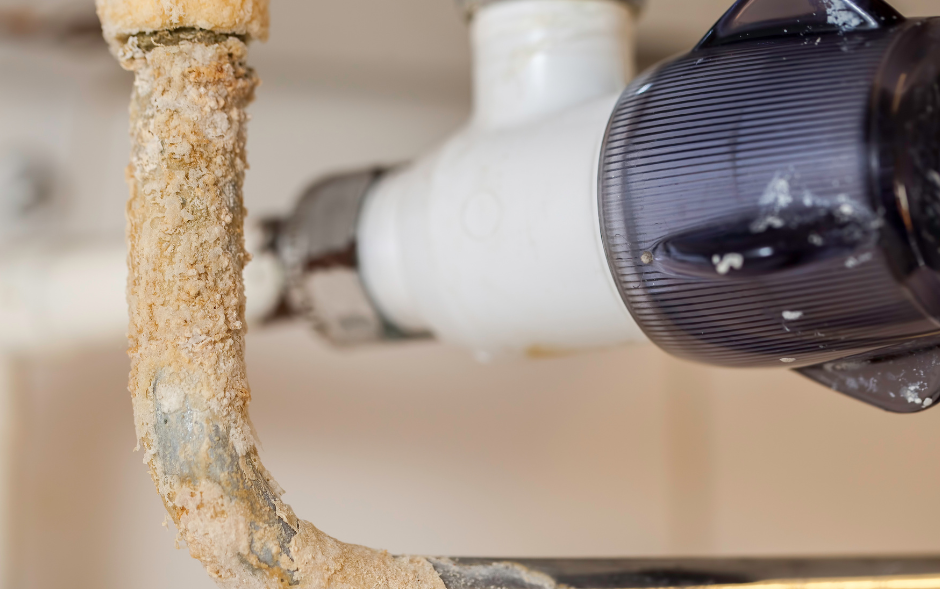
Hard water is something most homeowners in Kootenai County are familiar with. You see it on faucets, shower doors, and appliances, and most people chalk it up as just another annoyance of living in North Idaho. But what many homeowners don’t realize is that hard water doesn’t just affect what you can see it can quietly damage plumbing systems and create the perfect conditions for hidden water damage and mold growth inside your home.
In places like Post Falls and Coeur d’Alene, hard water issues are more than cosmetic. Over time, they can lead to leaks that stay out of sight until real damage has already set in.
What Makes Water “Hard” in North Idaho?
Hard water contains high levels of dissolved minerals, primarily calcium and magnesium. In Kootenai County, groundwater naturally flows through mineral rich rock and soil, picking up these elements before entering residential water systems.
According to the U.S. Geological Survey, hard water is common in areas that rely heavily on groundwater sources, especially regions with limestone or mineral dense geology. This isn’t unusual, but the long term effects inside a home often go unnoticed.
How Hard Water Damages Pipes Over Time
The real issue with hard water isn’t what it does immediately it’s what happens slowly.
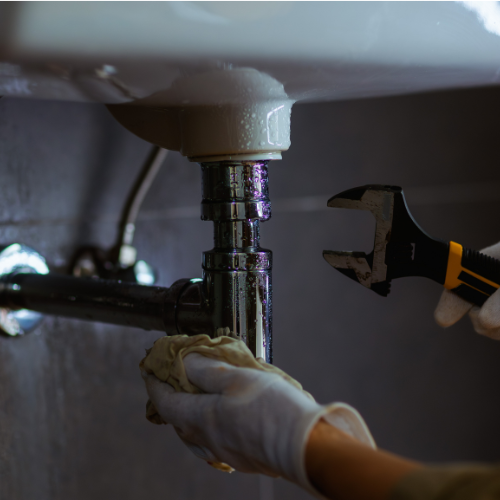
As hard water flows through pipes, it leaves behind mineral scale on the interior walls. Over months and years, that buildup can:
- Narrow pipe diameter and restrict water flow
- Increase internal pressure within plumbing lines
- Accelerate corrosion in metal pipes
- Stress joints, fittings, and valves
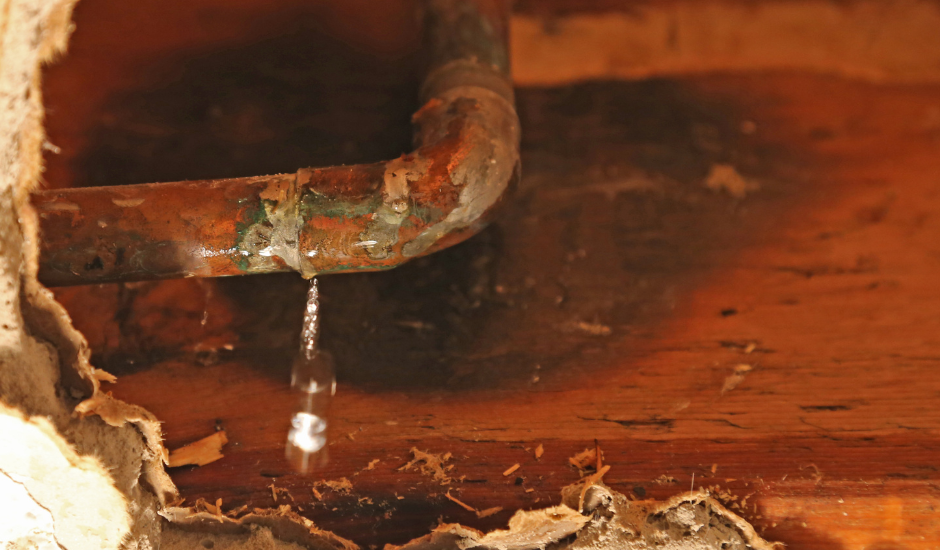
Eventually, this leads to small leaks, hairline fractures, or failed fittings. These leaks are often hidden behind walls, under floors, or in crawlspaces, where they can drip for a long time without being detected.
The American Society of Home Inspectors has long noted that mineral buildup can shorten the lifespan of plumbing systems and increase the risk of concealed leaks especially in older homes.
Why These Leaks Are So Easy to Miss
Hard water related leaks tend to be slow, not catastrophic. You’re unlikely to see water pooling on the floor right away. Instead, moisture builds quietly in places homeowners rarely check, such as:
- Wall cavities behind bathrooms or kitchens
- Under cabinets and vanities
- Crawlspaces and basement rim joists
- Beneath flooring and subfloor materials
Because the leak isn’t obvious, many homeowners don’t realize there’s a problem until secondary damage appears.
The Connection Between Hard Water and Mold Growth
Where there’s persistent moisture, mold is never far behind.
The Environmental Protection Agency has consistently stated that mold growth is directly tied to moisture problems, not cleanliness. When slow plumbing leaks keep building materials damp, mold spores can settle in and begin growing within 24–48 hours under the right conditions.
In North Idaho homes, this risk is amplified by:
- Naturally higher indoor humidity during certain seasons
- Insulation that traps moisture inside walls
- Reduced airflow in crawlspaces and basements
By the time mold becomes visible or odors appear, the moisture problem has usually been active for quite some time.
Common Warning Signs Homeowners Overlook
Hard water damage rarely announces itself clearly. Some subtle signs homeowners in Post Falls and Coeur d’Alene should watch for include:
- A musty or earthy smell that won’t go away
- Warped baseboards or soft flooring near plumbing walls
- Unexplained increases in water bills
- Discoloration on drywall or ceilings
- Persistent condensation on pipes or nearby surfaces
These symptoms are easy to dismiss at first, but they’re often indicators of hidden moisture problems.
Why DIY Fixes Often Don’t Solve the Real Issue
Installing a water softener can help reduce future mineral buildup, but it doesn’t undo damage that has already occurred. Likewise, patching a visible leak without addressing moisture behind walls can leave conditions ripe for mold growth.
Professional water damage restoration involves more than drying what you can see. It includes moisture detection, controlled drying, and ensuring affected materials don’t continue to trap water after repairs are made.
Preventing Hard Water–Related Damage in Kootenai County Homes
While you can’t change the natural mineral content of local water, you can reduce risk by:
- Having plumbing systems inspected periodically
- Addressing minor leaks immediately, even if they seem insignificant
- Monitoring areas around bathrooms, kitchens, and water heaters
- Not ignoring musty smells or humidity changes
Early intervention is almost always less invasive and less costly than waiting until damage becomes obvious.
Conclusion
Hard water is a fact of life in Kootenai County, but hidden pipe damage and mold growth don’t have to be. Understanding how mineral buildup leads to slow leaks—and recognizing the early warning signs can help protect your home before minor issues turn into major restoration projects, so when was the last time you checked your home for hidden moisture problems?