Understanding flood risk, insurance, and hidden water damage in North Idaho homes
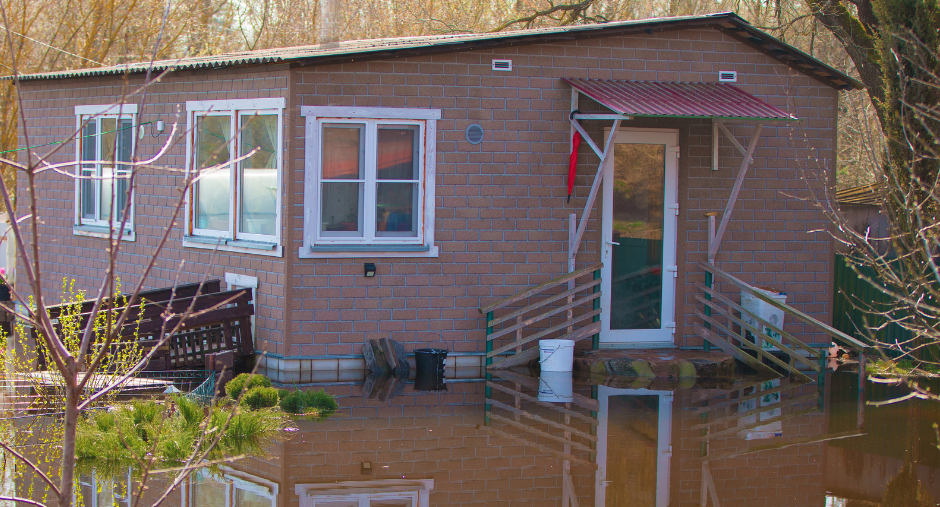
Buying a home in North Idaho is exciting. Between the trees, the lakes, and the slower pace of life, it’s easy to fall in love with a property before fully understanding what comes with it. One thing that often gets overlooked until it’s too late is whether the home sits in a flood zone, or at least a flood-prone area.
In places like Post Falls and Coeur d’Alene, flood risk isn’t always obvious. You don’t need to be right next to a river to experience flooding, and many homes that have never flooded before still carry hidden risks that new buyers don’t always catch.
What Flood Zone Really Means in North Idaho
When people hear flood zone, they usually picture homes right on the river or lake. In reality, flood zones are determined by elevation, drainage patterns, soil conditions, and proximity to waterways.
Flood maps published by FEMA show areas with varying levels of flood risk, including zones that may only flood during major snowmelt events or heavy storms. In North Idaho, these risks are often tied to:
- The Spokane River system
- Seasonal snowmelt runoff
- High groundwater tables
- Low-lying or poorly graded lots
According to FEMA floodplain management guidance, flooding doesn’t require a historic disaster to cause damage. Even minor flooding can result in costly repairs if water enters crawlspaces, basements, or slab foundations.
Why Flood Risk Isn’t Always Disclosed Clearly
Many homeowners assume that if a house hasn’t flooded before, it never will. That’s not necessarily true. Flood history isn’t always required to be disclosed, especially if damage was never filed as an insurance claim or occurred before current owners moved in.
In Post Falls and Coeur d’Alene, we often see homes where:
- Past water intrusion was repaired cosmetically
- Flooding occurred only during extreme snowmelt years
- Drainage issues developed over time due to landscaping changes
The National Association of Realtors has pointed out that flood risk can change as development increases and natural drainage paths are altered, which means yesterday’s safe property might not stay that way forever.
Common Flood-Related Issues Buyers Should Look For
Before buying a home in North Idaho, it’s worth looking beyond surface appearances. Some red flags that may indicate flood or water intrusion risk include:
- Basement walls with fresh paint or new paneling
- Efflorescence (white powdery residue) on concrete or masonry
- Sump pumps that appear newer than the rest of the home
- Uneven yard grading or soil sloping toward the foundation
- Musty odors in basements or crawlspaces
These don’t automatically mean a home is a bad purchase, but they do warrant a closer look.

Flood Insurance: Not Just for High Risk Zones
A common misconception is that flood insurance is only needed in high risk flood zones. In reality, many flood claims come from properties outside of those areas.
The National Flood Insurance Program has repeatedly noted that a significant percentage of flood claims occur in moderate to low risk zones. In North Idaho, where snowmelt and groundwater can behave unpredictably, flood insurance can be a smart layer of protection even when it’s not required by a lender.
How Flooding Impacts Homes Beyond Visible Water
Flood damage isn’t always dramatic. In fact, some of the most expensive issues come from water that enters slowly and drains away just as quietly.
Flood related water intrusion can lead to:
- Saturated insulation that never fully dries
- Warped subflooring and framing
- Mold growth inside walls and crawlspaces
- Long-term foundation deterioration
The Environmental Protection Agency has long emphasized that moisture trapped in building materials is one of the leading contributors to indoor mold problems, even when standing water is no longer present.
What Buyers Can Do Before Closing
If you’re considering a property in a flood-prone area, there are steps you can take before finalizing the purchase:
- Review current flood maps and local drainage patterns
- Ask direct questions about past water intrusion, not just flooding
- Have crawlspaces and basements inspected carefully
- Budget for preventative measures like drainage improvements or sump systems
Spending a little extra time upfront can prevent major restoration costs down the road.
Conclusion
Flood zone properties in Post Falls and Coeur d’Alene aren’t automatically bad investments, but they do require a clearer understanding of local water behavior, seasonal risks, and hidden damage potential. Knowing what to look for before buying can protect your investment, your health, and your peace of mind. So have you taken the time to understand the flood risk of the home you’re considering?