
Understanding humidity, hidden moisture, and mold risk in North Idaho homes
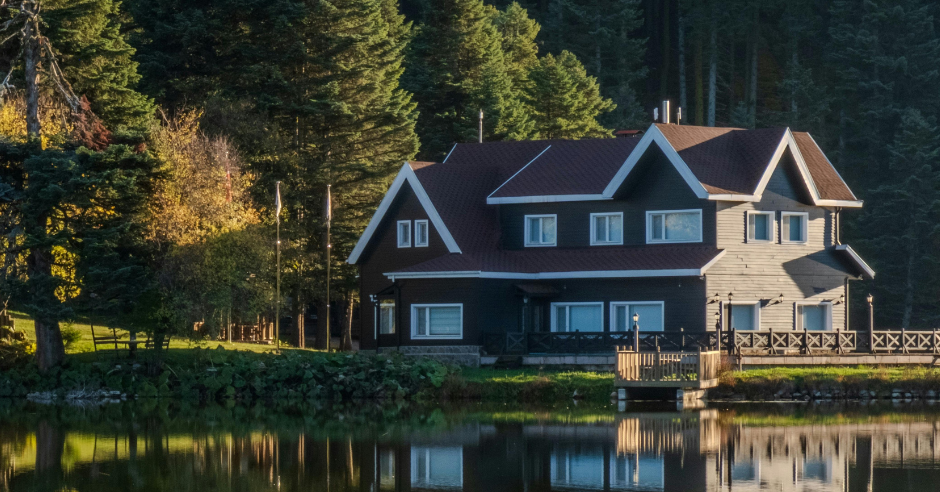
Homeowners in North Idaho are used to water being nearby — lakes, rivers, snowmelt, and long shoulder seasons. But what many people don’t realize is that living near water also changes how your home dries, especially after a small leak or minor water loss.
In areas like Coeur d’Alene and Post Falls, high ambient humidity and proximity to Lake Coeur d’Alene and the Spokane River create ideal conditions for mold growth, even when the initial damage doesn’t look serious.
And this is where a lot of problems start.
Minor Water Damage Isn’t Always Minor Here
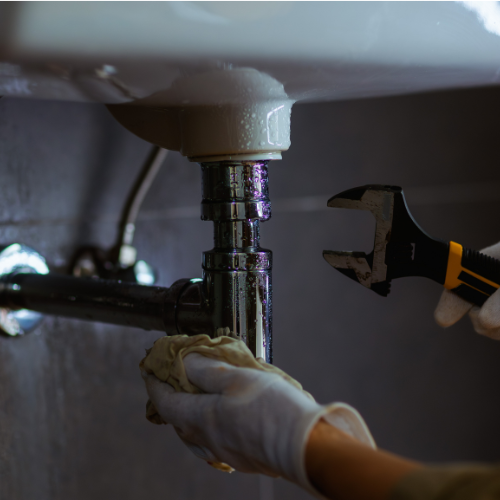
A dripping supply line, a small appliance leak, or a toilet overflow might seem manageable. Many homeowners wipe it up, run a few fans, and move on. In drier climates, that sometimes works.
In North Idaho, it often doesn’t.
Because humidity levels remain elevated for much of the year, moisture lingers inside wall cavities, subfloors, and
insulation far longer than people expect. Materials may feel dry on the surface while still holding enough moisture below to support microbial growth.
According to guidance from organizations like the EPA and CDC, mold can begin developing within 24–48 hours when moisture isn’t properly removed — and that timeline shortens in humid environments.
Why Lake Proximity Matters More Than People Think
Homes near Lake Coeur d’Alene, the Spokane River, and surrounding wetlands experience consistently higher relative humidity, especially in spring and early summer. Add snowmelt runoff and saturated ground, and drying conditions become even worse.
What this means in practice:
- Natural evaporation slows down
- Building materials re-absorb moisture from the air
- DIY drying methods fail to reach hidden areas
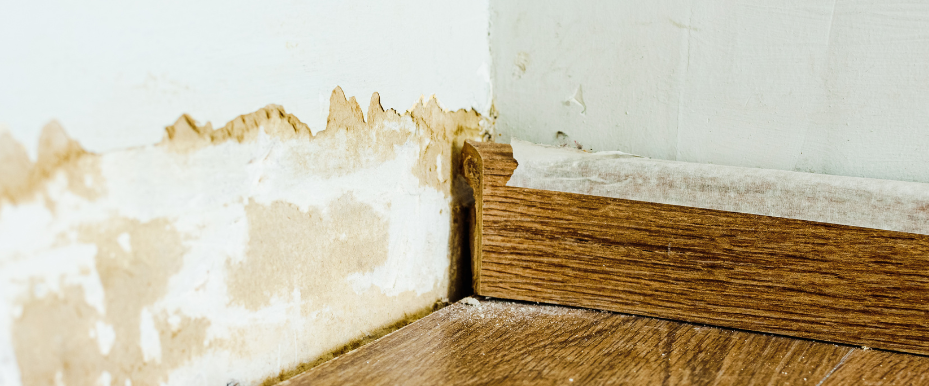
We regularly see situations where a homeowner thought everything was fine, only to discover mold growth weeks later behind baseboards or under flooring.
Fans and Box Dehumidifiers Aren’t Enough
One of the biggest misconceptions is that running fans equals drying. Fans move air, but they don’t remove moisture. In a humid region, they can actually push damp air deeper into materials.
Professional restoration relies on:
- Low-grain refrigerant or desiccant dehumidifiers
- Controlled airflow patterns
- Moisture mapping using calibrated meters
- Drying goals based on material type, not guesswork
Industry standards published by the IICRC (Institute of Inspection, Cleaning and Restoration Certification) make it clear that proper drying is a measured process, not a visual one.
Mold Risk Is Higher After “Small” Losses
Ironically, the jobs that cause the most mold issues are often the smallest ones. Major floods get immediate attention. Minor leaks get ignored.
In Coeur d’Alene and Post Falls homes, we commonly find mold after:
- Slow plumbing leaks under sinks
- Refrigerator water line failures
- Minor crawlspace intrusions
- Small water softener leaks
By the time odor or discoloration appears, the moisture problem has usually been there for a while.
What Homeowners Should Watch For
If your home is near the lake or river, or if you’ve had any recent water intrusion, watch for:
- Musty or “earthy” smells
- Warped flooring or baseboards
- Paint bubbling or drywall softening
- Increased allergy symptoms indoors
These are often early warning signs, not cosmetic issues.
Why Local Experience Matters
Water damage restoration isn’t one-size-fits-all. The methods that work in arid climates don’t translate well to North Idaho. Local conditions matter, and so does understanding how humidity, building materials, and regional weather patterns interact.
That’s why working with a restoration company familiar with Coeur d’Alene and Post Falls homes makes a real difference — especially when mold prevention is the goal, not just surface drying.
Final Thoughts
If you live near the lake or river and have experienced even minor water damage, the safest move is to have moisture levels professionally evaluated before mold becomes a much larger problem, so how confident are you that your home truly dried all the way through?