
A realistic timeline of how untreated water damage turns into mold and structural problems
When water damage happens, a lot of homeowners hope it will just dry out on its own. Life gets busy, the damage doesn’t look that bad, and before you know it weeks have gone by. Unfortunately, water damage doesn’t operate on our schedules, and the longer it’s left untreated, the worse it gets, often in ways you can’t see.
In Post Falls and Coeur d’Alene, we regularly see homes where minor water issues turned into major restoration projects simply because they were ignored for too long.
The First 30 Days: Hidden Moisture and Early Damage
During the first few days after water intrusion, damage may seem minimal. Floors might dry, stains may fade, and odors can come and go. This is the stage where many homeowners assume the problem resolved itself.
But behind the scenes, moisture is often still present.
Within the first 30 days, untreated water damage can lead to:
- Damp insulation inside walls or crawlspaces
- Swelling or warping of wood materials
- Early mold growth in dark, hidden areas
- Elevated indoor humidity levels
According to the Environmental Protection Agency, mold can begin growing within 24 to 48 hours when moisture is present, even if there’s no standing water. At this stage, damage is usually still manageable, but only if it’s addressed properly.
After 60 Days: Structural Materials Start to Break Down
Once water damage has been present for around two months, the situation changes significantly. Moisture that hasn’t been dried correctly begins to break down building materials, not just affect their appearance.
By the 60 day mark, we often see:
- Mold spreading behind walls and under flooring
- Drywall losing structural integrity
- Subflooring beginning to rot or delaminate
- Musty odors becoming constant instead of occasional
The Building Science Corporation has published extensive research showing that prolonged moisture exposure weakens wood and composite materials, even when they appear dry on the surface. At this point, drying alone is usually not enough removal and replacement of damaged materials becomes more likely.
At 90 Days: Major Damage and Health Concerns
When water damage is left untreated for 90 days or more, it’s no longer a small issue. It’s a full restoration problem.
At this stage, homeowners may experience:
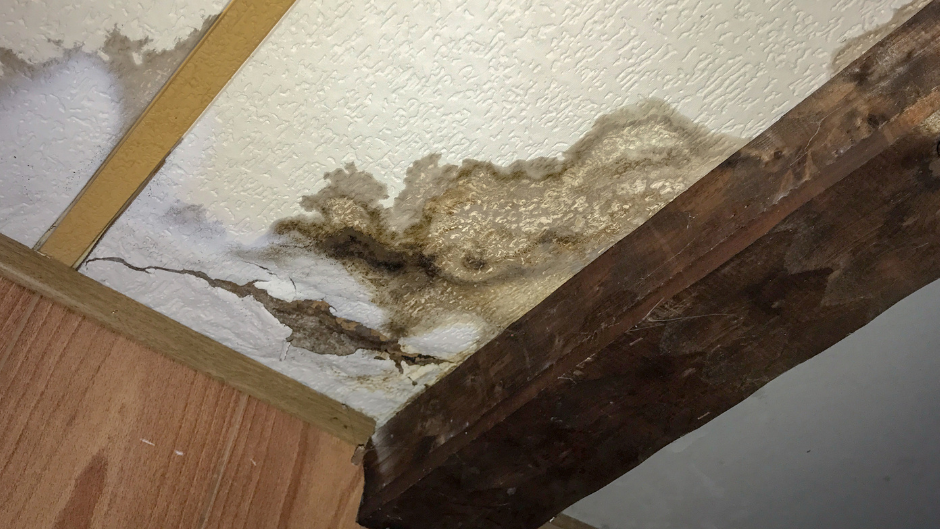
- Widespread mold growth, including potentially harmful species
- Significant wood rot affecting framing or support structures
- Compromised indoor air quality throughout the home
- Increased repair costs due to the extent of damage
The Centers for Disease Control and Prevention (CDC) has noted that prolonged exposure to damp indoor environments can worsen respiratory conditions and contribute to ongoing health issues. By this point, water damage isn’t just about the house, it can impact the people living in it.
Why Water Damage Gets Worse Over Time
Water doesn’t stop working just because you stop paying attention to it. Gravity pulls it downward, materials absorb it, and humidity spreads it through the air.
In North Idaho homes, factors like cool temperatures, crawlspaces, and limited airflow can slow natural drying, allowing moisture to stay trapped for long periods. Each passing week gives mold and decay more time to take hold.
Why Insurance Claims Get Harder the Longer You Wait
Another issue homeowners don’t always realize is that delayed action can complicate insurance claims. Many insurance policies expect prompt mitigation to prevent further damage.
The Insurance Information Institute has pointed out that failing to address damage in a timely manner can lead to claim disputes or reduced coverage, especially if damage worsens due to neglect rather than the original event.
The Cost Difference Between Acting Early and Waiting
Simply put, untreated water damage almost always costs more the longer it’s ignored.
Water damage doesn’t stay the same over time, what starts as a minor issue can turn into mold growth, structural damage, and health concerns within a matter of months, especially in the Post Falls and Coeur d’Alene climate. So if you’ve had water intrusion in your home, how long has it really been sitting there?