
How freeze and thaw cycles and poor drainage quietly damage North Idaho foundations
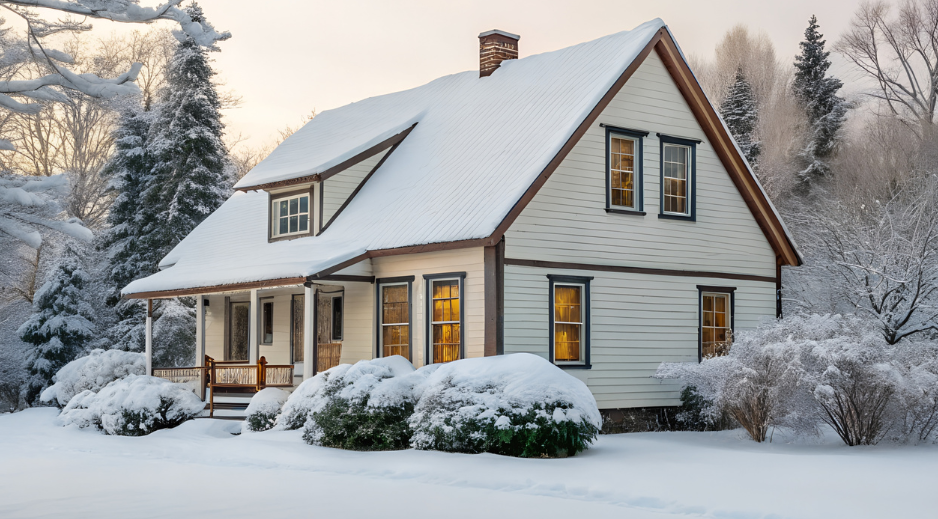
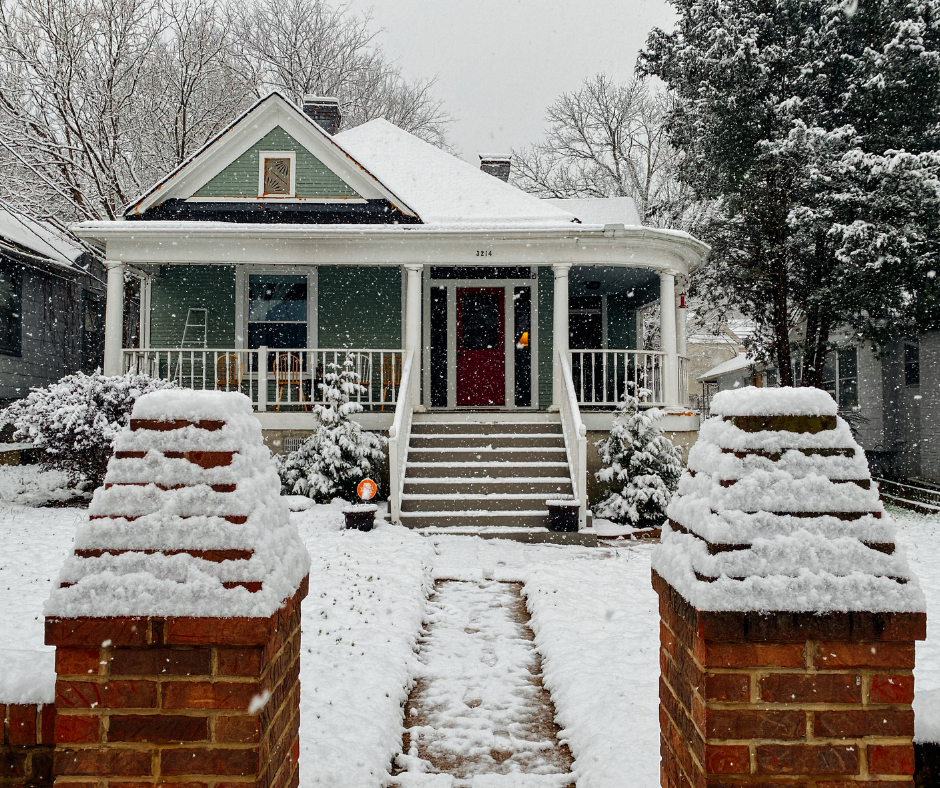
When spring finally arrives in North Idaho, most homeowners are focused on melting snow, muddy yards, and getting back outside after a long winter. What often goes unnoticed, though, is what’s happening under frozen driveways, sidewalks, and concrete slabs during the spring thaw.
In Post Falls and Coeur d’Alene, the freeze thaw cycle doesn’t just affect roads and parking lots it can quietly contribute to foundation cracks and water intrusion around residential homes, sometimes months before problems become visible.
Why Spring Thaw Is Especially Harsh in North Idaho
North Idaho experiences long periods of freezing temperatures followed by relatively fast warming in early spring. This rapid transition creates ideal conditions for soil movement and concrete stress.
Several regional factors make the problem worse:
- Extended ground freezing during winter
- Heavy snow accumulation near homes and driveways
- Sudden daytime warming with freezing nights
- Poor drainage around hardscaped areas
According to the U.S. Geological Survey, freeze thaw cycles cause soil expansion and contraction that can shift surrounding materials, including concrete and foundations. Over time, these repeated movements weaken structural components, even if damage isn’t obvious right away.
How Driveways and Sidewalks Affect Your Foundation
Most people don’t think of driveways and sidewalks as part of their home’s structural system, but they’re often directly tied to it.
When concrete slabs freeze, the soil beneath them expands. During spring thaw, that same soil contracts and softens as snowmelt saturates the ground. If the driveway or sidewalk is poured against or too close to the foundation, that movement can transfer stress directly to foundation walls.
Common issues we see in Post Falls and Coeur d’Alene homes include:
- Hairline foundation cracks near slab edges
- Separation between concrete and foundation walls
- Water intrusion at basement or crawlspace joints
- Cracking in garage foundations connected to driveways
The Portland Cement Association has long noted that improper drainage around concrete slabs significantly increases the risk of cracking and settlement, especially in freeze prone climates.
The Role of Snowmelt and Drainage
Spring snowmelt makes everything worse.
As snow piled along driveways and sidewalks begins to melt, water often has nowhere to go. If the concrete slopes toward the home or has settled unevenly meltwater is pushed straight toward the foundation.
Once there, the water seeps into:
- Small foundation cracks
- Cold joints between concrete pours
- Porous concrete and masonry
Even minor moisture intrusion can weaken foundation materials over time, especially when repeated year after year.
Why Foundation Damage Often Goes Unnoticed
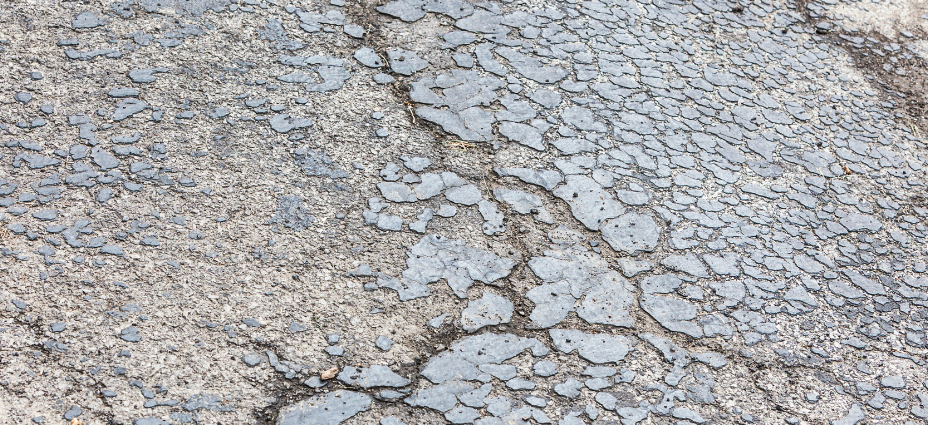
Foundation issues caused by freeze thaw cycles rarely show up overnight. Instead, damage develops gradually, which makes it easy to overlook.
Some early warning signs homeowners miss include:
- Thin cracks forming along basement walls
- Damp spots near the base of foundation walls
- Musty odors in crawlspaces after spring melt
- Minor water staining that appears and then dries
The Federal Emergency Management Agency (FEMA) has emphasized that repeated moisture exposure even without major flooding can lead to long term structural and indoor air quality problems.
How Foundation Cracks Lead to Hidden Water Damage
Once cracks form, they don’t just stay cracks. They become entry points for water.
Over time, this can result in:
- Saturated insulation inside foundation walls
- Mold growth in crawlspaces and basements
- Rotting sill plates and framing members
- Increased indoor humidity throughout the home
In North Idaho’s climate, where spring moisture lingers and airflow is limited, these issues can escalate faster than homeowners expect.
Prevention Steps Homeowners Can Take
While you can’t control the weather, there are ways to reduce the risk of foundation damage caused by frozen concrete and spring thaw:
- Ensure driveways and sidewalks slope away from the home
- Keep snow piles from accumulating directly against foundations
- Seal small foundation cracks before spring melt begins
- Improve drainage around hardscaped areas
- Inspect basements and crawlspaces early each spring
According to guidance from the International Association of Certified Home Inspectors, early detection and drainage correction are key to preventing foundation-related water damage.
When to Call a Professional
If you notice cracking, moisture, or musty odors after the spring thaw, it’s worth having the area evaluated sooner rather than later. What looks like a minor crack can sometimes hide moisture intrusion behind walls or under floors.
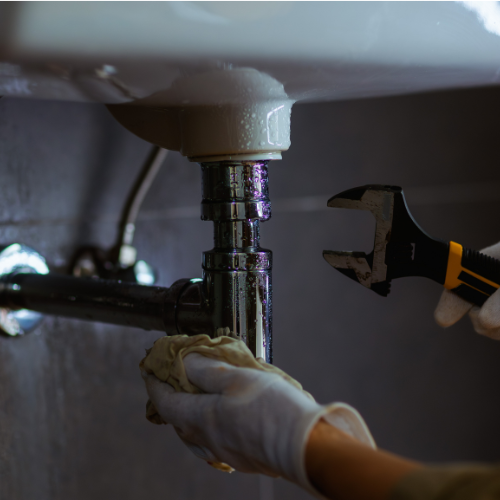
Professional water damage restoration includes moisture detection, controlled drying, and identifying the source of the problem not just treating surface symptoms.
Conclusion
Frozen driveways and sidewalks may seem harmless, but in Post Falls and Coeur d’Alene they play a bigger role in foundation cracks and water damage than most homeowners realize. Understanding how spring thaw affects concrete, soil, and drainage can help you catch issues early and protect your home before small problems turn into major repairs, so have you checked how water moves around your foundation now that the snow is melting?