
Why modern construction, drainage changes, and North Idaho weather still create moisture problems
It’s a common assumption among homeowners that buying a newer house means water damage won’t be an issue for years, maybe even decades. After all, everything is new, the roof is fresh, and the plumbing hasn’t had time to wear out, so what could go wrong?
In Post Falls and Coeur d’Alene, we see water damage in newer homes far more often than most people expect. In some cases, these homes are less than ten years old, and yet they’re already dealing with leaks, moisture intrusion, or even mold growth.
The Myth That New Means Waterproof
New construction follows modern building codes, but that doesn’t automatically mean a home is immune to water problems. Codes set minimum standards, not guarantees against moisture intrusion.
According to the International Association of Certified Home Inspectors, many water damage issues in newer homes come down to design decisions, installation errors, or drainage problems rather than material failure. In other words, things can go wrong even when everything is technically up to code.
Faster Construction Can Lead to Missed Details
Post Falls has seen steady growth over the past several years, and with that growth comes faster build timelines. While many builders do excellent work, faster construction schedules can sometimes mean:
- Improperly sealed windows or doors
- Flashing installed incorrectly around roofs or siding
- Inadequate drying time before walls are closed up
- Minor plumbing connections that aren’t fully tightened
These issues don’t always show up right away. Often, they stay hidden until the first heavy rain, snowmelt season, or freeze thaw cycle exposes them.
Drainage and Grading Issues Around New Homes
One of the most common causes of water damage in newer Post Falls homes isn’t inside the house at all it’s outside.
Freshly developed lots often have soil that hasn’t fully settled yet. Over time, that soil can shift and change how water flows around the foundation. If the grading ends up sloping toward the home instead of away from it, moisture is directed straight to the foundation walls.
The U.S. Geological Survey has noted that soil compaction and drainage behavior can change significantly after construction, especially in areas with seasonal snowmelt and varying groundwater levels like North Idaho.
Modern Building Materials Can Trap Moisture
Newer homes are built to be more energy efficient, which is great for heating and cooling costs, but it can also introduce moisture challenges.
Tighter building envelopes mean:
- Less natural air movement
- Moisture that enters the structure dries more slowly
- Small leaks have a bigger impact
The Building Science Corporation has published extensive research showing that modern, airtight homes are more vulnerable to moisture buildup if water intrusion occurs, even in small amounts.
Plumbing Issues Aren’t Just an Old House Problem
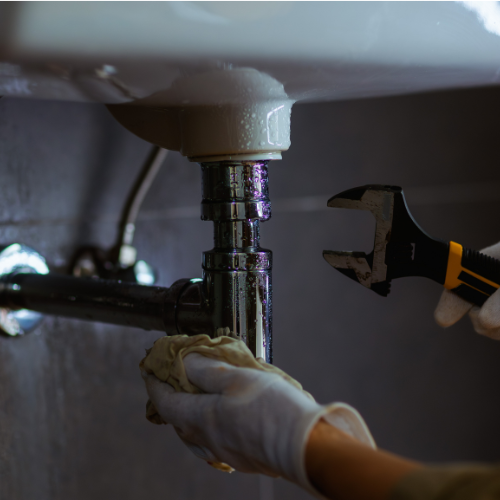
Plumbing failures aren’t limited to aging pipes. In newer homes, water damage often comes from:
- Faulty fittings behind walls
- Poorly installed appliance supply lines
- Crimped or stressed PEX connections
- Small leaks at manifolds or shutoff valves
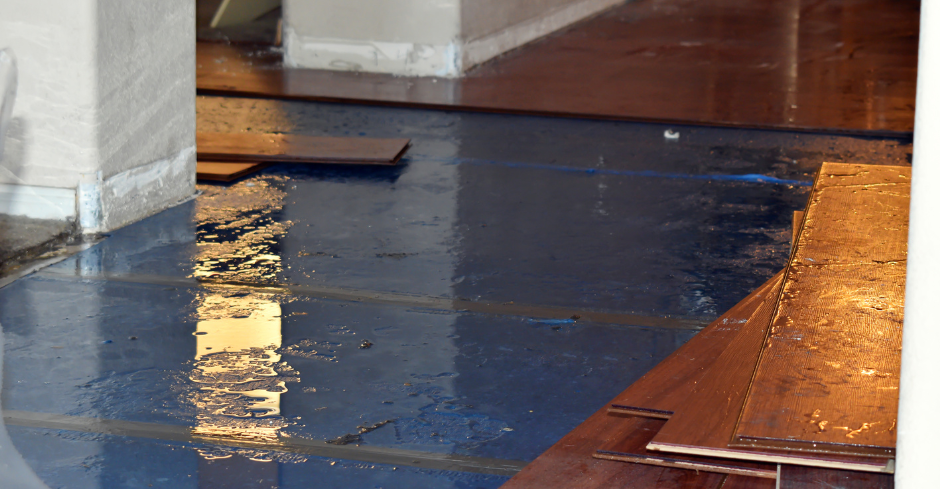
These leaks tend to be slow and quiet, which makes them especially dangerous. Water can drip for weeks or months inside walls or floors before any visible signs appear.
Why Water Damage in Newer Homes Often Goes Unnoticed
Because homeowners don’t expect problems in newer houses, early warning signs are often ignored or explained away.
Some common clues include:
- A faint musty smell that seems seasonal
- Slightly warped flooring or baseboards
- Unexpected humidity inside the home
- Discoloration that appears and then dries
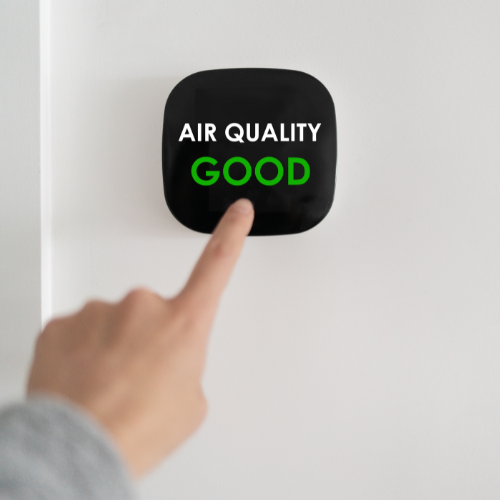
The Environmental Protection Agency has long emphasized that moisture problems often show up as comfort or air quality issues before obvious water damage becomes visible.
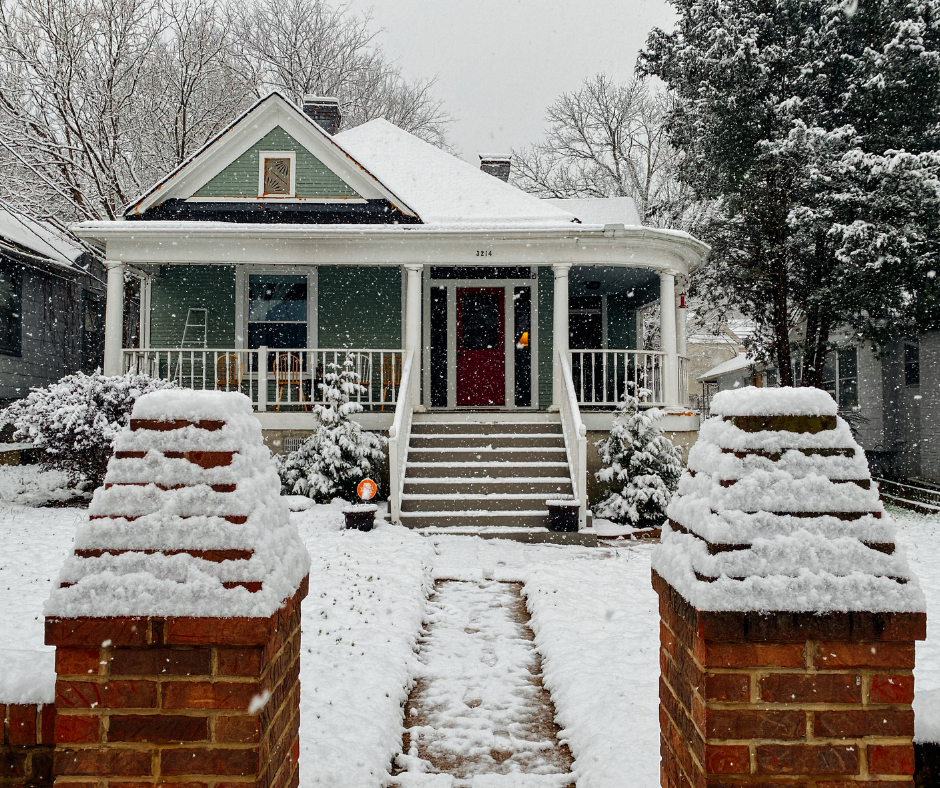
Snowmelt and Freeze Thaw Still Matter
Even brand new homes aren’t immune to North Idaho’s climate. Spring snowmelt, frozen ground, and rapid temperature swings all put stress on foundations, concrete, and drainage systems.
Water that has nowhere to go will find the weakest point, whether that’s a foundation joint, window opening, or crawlspace vent. Over time, repeated exposure can lead to damage that surprises homeowners who assumed new construction meant fewer risks.
Newer homes in Post Falls and Coeur d’Alene may look solid and problem-free on the surface, but factors like fast construction timelines, drainage changes, modern materials, and North Idaho’s climate can still lead to hidden water damage if moisture finds its way inside so when was the last time you checked whether your newer home is truly staying dry where you can’t see?