
How wind driven rain, aging roofs, and drainage issues quietly cause hidden water damage in Spokane homes
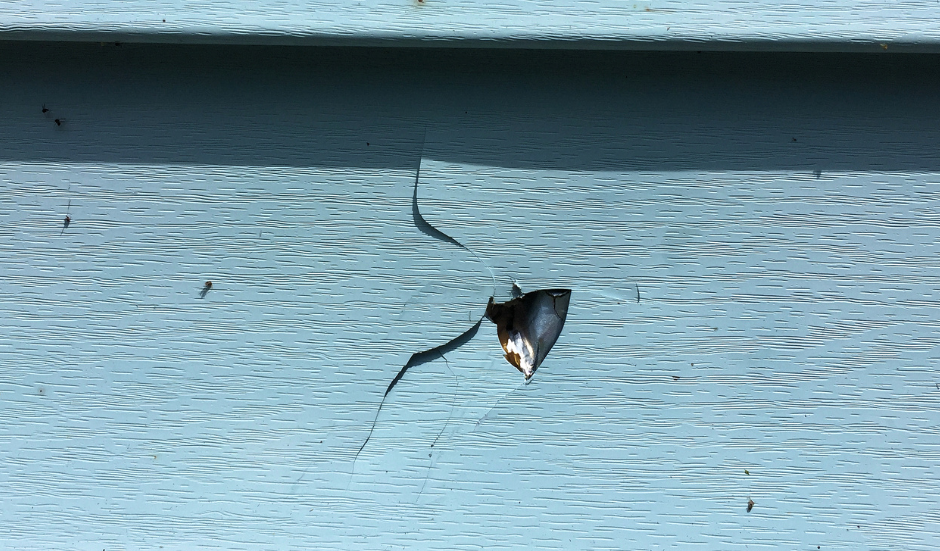
When homeowners in Spokane think about water damage, they usually picture frozen pipes or spring snowmelt. What many people do not anticipate is how much damage can come from a single windstorm or heavy summer thunderstorm. In reality, storm related water damage in Spokane happens more often than most homeowners expect, and it rarely starts with dramatic flooding.
Spokane, Coeur d Alene, and Post Falls all experience seasonal weather shifts, but Spokane often sees stronger wind events combined with bursts of intense rain. When wind and rain work together, even small weaknesses in a home’s exterior can turn into hidden moisture problems.
Wind Driven Rain Is More Serious Than It Sounds
Wind driven rain does not fall straight down. Instead, it moves sideways and upward against siding, window frames, roof transitions, and soffits. This allows water to enter gaps that would not normally leak during calm rainfall.
According to the Federal Emergency Management Agency, wind driven rain significantly increases the likelihood of building envelope failure during storms. Even minor cracks in caulking or siding seams can allow water to penetrate behind walls.
Common entry points during Spokane windstorms include:
• Improperly sealed windows
• Aging siding joints
• Roof to wall intersections
• Gaps around exterior light fixtures
• Loose flashing around chimneys
Once water gets behind exterior materials, it can travel along framing before becoming visible inside the home.
Aging Roofs in Established Spokane Neighborhoods
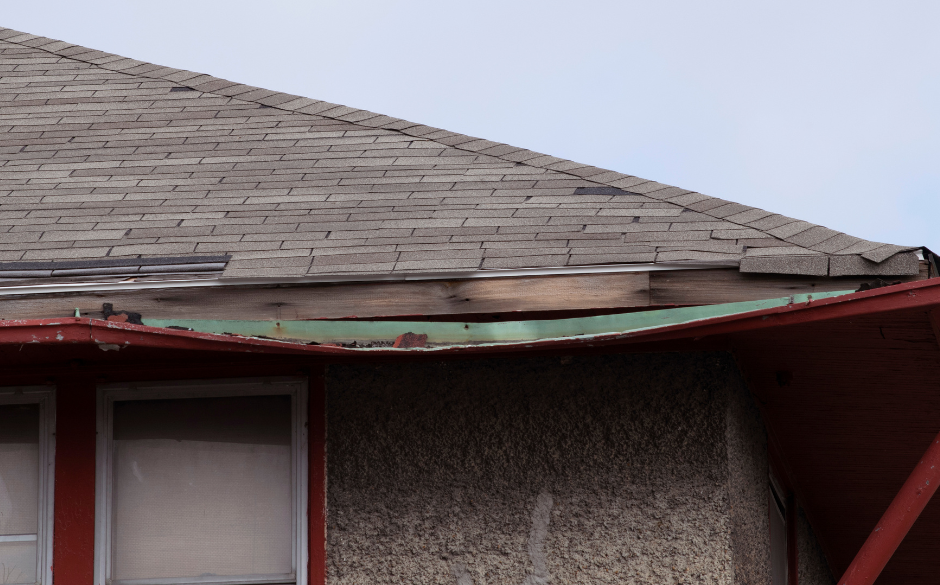
Spokane has many beautiful older neighborhoods with homes that were built decades ago. While structurally sound, roofing materials naturally weaken over time. High winds can lift shingles slightly, breaking the seal that keeps water out.
The National Roofing Contractors Association has long emphasized that wind uplift is one of the most common contributors to roof related water intrusion. A roof does not need to lose shingles entirely to leak. Sometimes a small lift is enough.
Water that enters through compromised shingles often spreads across roof decking and insulation before dripping onto a ceiling. That delay makes storm damage harder to trace back to its source.
Urban Drainage and Storm Runoff
In more developed parts of Spokane, storm drains can become overwhelmed during heavy rainfall. When runoff accumulates faster than it can drain, water pools near foundations and basement windows.
If soil grading directs water toward the home, hydrostatic pressure builds against foundation walls. Over time, moisture can push through small cracks or porous concrete.
The Insurance Information Institute consistently reports that water damage and freezing claims are among the most common homeowner insurance losses nationwide. Many of those losses begin with exterior drainage issues that homeowners never thought about.
Tree Impact and Hidden Roof Damage
Spokane’s mature trees are part of its charm, but they also increase storm vulnerability. During wind events, branches can scrape or impact roofing materials without leaving obvious signs from the ground.
Even minor damage can create entry points for moisture.
After storms, water may enter attic spaces through:
• Cracked flashing
• Lifted shingles
• Small punctures from debris
• Damaged ridge vents
The Environmental Protection Agency notes that moisture in hidden areas such as attics and wall cavities is a leading cause of mold growth and indoor air quality problems. Water does not need to pour through a ceiling to cause trouble.
Why Storm Damage Often Goes Unnoticed
Storm related water intrusion rarely causes immediate flooding. Instead, it presents slowly.
Homeowners in Spokane, Coeur d Alene, and Post Falls might notice:
• A faint musty odor after a storm
• Slight bubbling paint near windows
• Warping in flooring along exterior walls
• Damp insulation in the attic
• Increased indoor humidity
These warning signs are easy to dismiss, especially if the storm did not seem severe at the time. But water only needs a small opening and enough time.
The Long Term Cost of Waiting
When storm damage is identified quickly, repairs may involve localized drying and sealing entry points. When ignored, moisture can spread into structural framing, insulation, and drywall.
The Building Science Corporation has documented how prolonged moisture exposure weakens structural materials and creates ideal conditions for mold growth. What begins as a minor leak can become a full restoration project if not addressed promptly.
Conclusion
Storm related water damage in Spokane is more common than many homeowners realize because wind driven rain, aging roofs, drainage issues, and tree impacts create hidden pathways for moisture to enter and spread quietly throughout a home, so after the next major storm moves through Eastern Washington, will you know whether your home is truly dry behind the walls?