
Why mitigation and restoration are two separate phases of the water damage process, what each one includes, how insurance covers them differently, and what to expect when both are part of your claim.
By Matthew Ratautas | DryMax Restoration | May 2026
If you've ever called a restoration company after a water damage event or started working through an insurance claim, you've probably heard both terms: mitigation and restoration. They're often used in the same conversation, sometimes interchangeably, and that causes a lot of confusion for homeowners in Post Falls, Coeur d'Alene, and the Spokane area who are trying to understand what they're actually paying for and what their insurance covers.
Mitigation and restoration are not the same thing. They are two distinct phases of the water damage process, each with a different purpose, a different scope of work, and often a different cost structure on your insurance claim. Understanding the difference before you're in the middle of a claim puts you in a much better position to ask the right questions and avoid surprises.
This post explains both terms clearly, walks through what each phase involves, and covers how the two relate to each other and to your insurance coverage.
What Is Water Mitigation?
Water mitigation is the emergency phase. It is everything done immediately after a water damage event to stop the damage from getting worse. The goal of mitigation is containment and stabilization, not repair.
When a restoration company responds to a burst pipe, a flooded basement, or an appliance overflow, the work they do in the first hours and days is mitigation. That includes:
• Shutting off or isolating the water source if it's still active
• Extracting standing water using professional extraction equipment
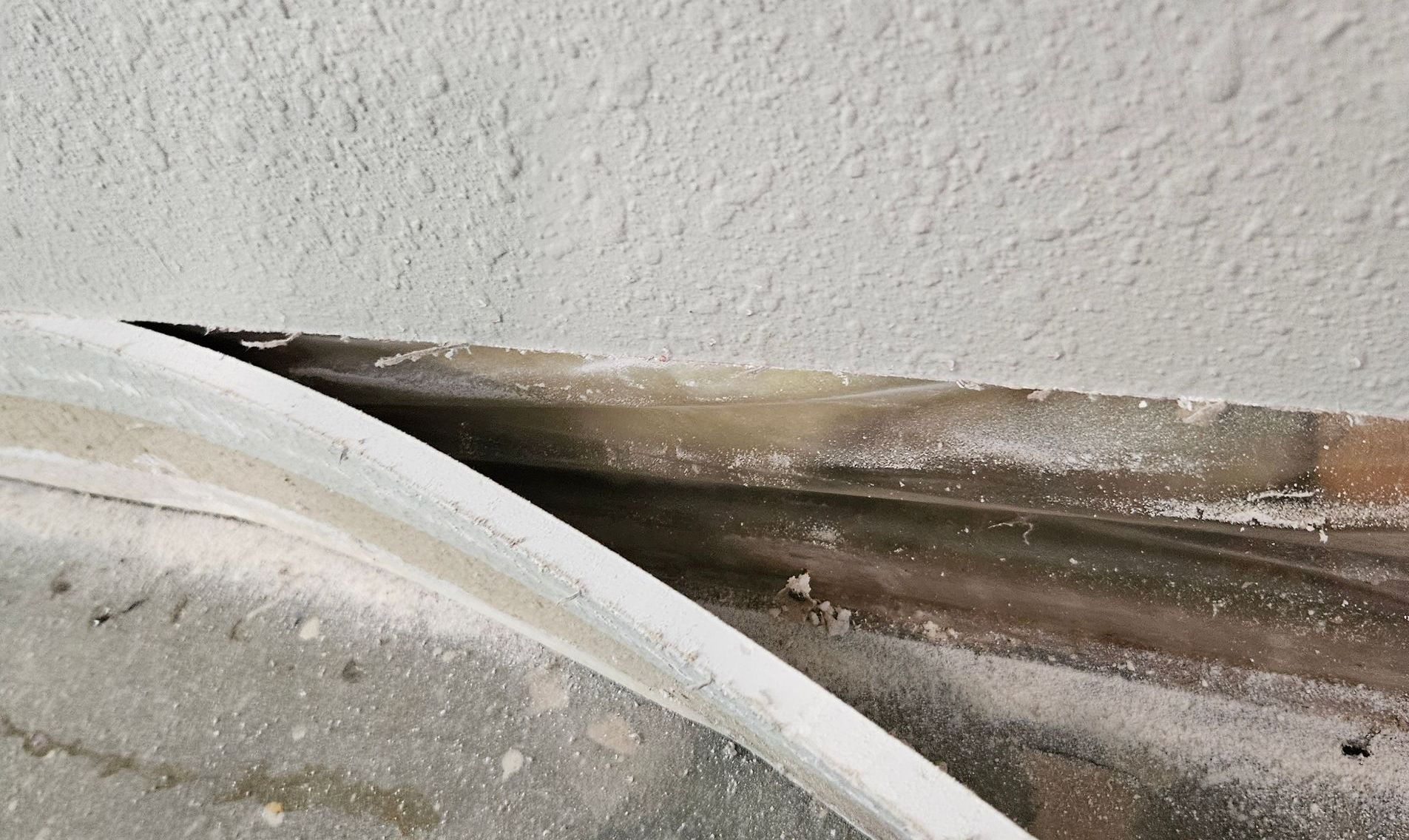
• Removing saturated materials that cannot be effectively dried in place, such as carpet padding, severely saturated drywall, and compromised insulation
• Setting up industrial air movers and dehumidifiers to begin structural drying
• Applying antimicrobial treatments to prevent mold growth during the drying period
• Monitoring moisture levels daily and adjusting drying equipment as needed
• Documenting moisture readings, equipment placement, and drying progress
The core idea behind mitigation is that time is the enemy. Every hour water sits in contact with building materials, more damage occurs. Mitigation is about acting fast to limit the total scope of damage, which in turn limits the total cost of recovery.
The IICRC S500 Standard for Professional Water Damage Restoration is the professional benchmark that defines how mitigation should be performed. The standard covers everything from initial assessment and water category determination through structural drying procedures and documentation requirements. Mitigation done to S500 standards is what insurance carriers expect when they receive a restoration claim.
What Is Water Restoration?
Water restoration is the repair phase. It begins after mitigation is complete and the structure has been verified dry. Restoration is the work of returning your home to its pre-loss condition.
Where mitigation removes and dries, restoration replaces and rebuilds. That includes:
• Hanging and finishing new drywall in areas where flood cuts were made
• Reinstalling baseboards, trim, and molding that were removed
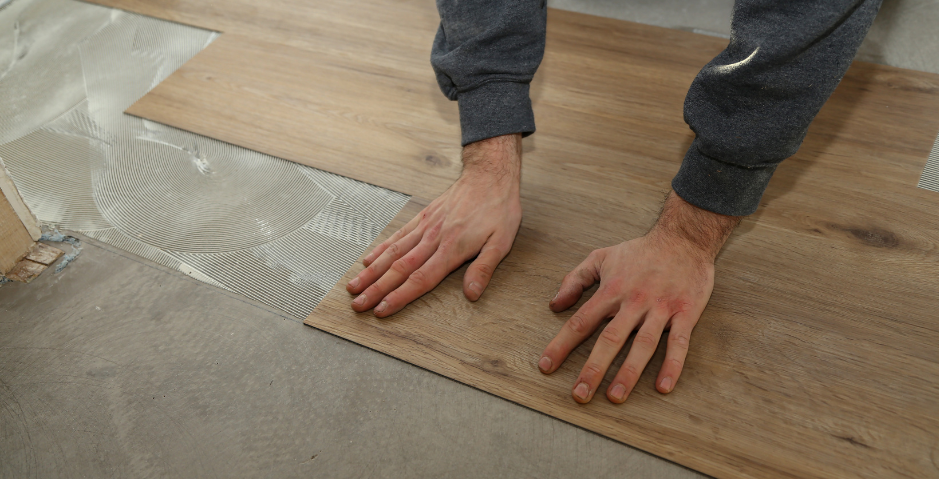
• Installing replacement flooring in affected areas
• Repairing or replacing subfloor sections that were damaged
• Painting affected walls and ceilings
• Reinstalling cabinets, fixtures, or other elements that were removed during mitigation
• Any other work required to return the home to the condition it was in before the water event
Restoration can also include repairs to structural elements if the damage was severe enough to affect framing, joists, or load-bearing components. In significant water damage events, restoration can take weeks or longer, particularly when flooring materials need to be sourced, matched, and installed across large areas.
The key distinction is that restoration cannot begin until mitigation is complete. Rebuilding over materials that haven't been properly dried leads to mold growth and structural problems that are far more expensive to address later. The drying verification at the end of the mitigation phase is what gives the restoration phase a clean starting point.
Our post on what the restoration process actually looks like for North Idaho homeowners walks through the full sequence of both phases in detail, including what equipment is used, what controlled demolition involves, and what the final dry-down verification requires.
Why the Distinction Matters for Your Insurance Claim
This is where the mitigation versus restoration distinction becomes especially important for homeowners. Insurance companies handle these two phases differently, and understanding that from the start helps you avoid confusion and potential coverage gaps.
Mitigation Is Typically Approved Faster
Most homeowner's insurance policies that cover water damage will authorize emergency mitigation quickly. The urgency of stopping damage from spreading is understood by insurers, and a professional restoration company that responds immediately and begins mitigation can typically proceed without waiting for full adjuster approval.
This is important to know because some homeowners hesitate to authorize mitigation work while they're waiting for their adjuster to assess the situation. In most cases, waiting is the wrong call. The adjuster expects mitigation to begin immediately. Delaying it allows the damage to spread and actually complicates the claim by making it harder to establish the original scope.
Restoration Requires Scope Approval
Restoration work, on the other hand, typically requires your insurance adjuster to review and approve the scope before work begins. The adjuster will assess what materials need to be replaced, what the appropriate replacement specifications are, and what costs fall within your policy coverage.
This is where homeowners sometimes get frustrated with the pace of the process. The mitigation phase moves fast. The restoration phase can feel slow because of the back-and-forth between the restoration contractor and the adjuster on scope and materials. Understanding that this approval process is normal and expected helps manage expectations.
They Often Appear as Separate Line Items on Your Claim
When your insurance company processes a water damage claim, mitigation and restoration will often appear as separate line items or even as separate invoices. Your deductible typically applies once to the total claim, but the two phases may be invoiced separately and approved on different timelines.
Some insurance policies have specific language about what is covered under emergency services versus structural repairs. Knowing your policy's terminology before a claim helps you recognize how your adjuster is categorizing the work and whether the coverage descriptions match.
Our post on how to file an insurance claim for burst pipes and flood damage covers the insurance claim process in detail, including documentation, adjuster communication, and what to watch for during claim review.
A Common Source of Confusion: When Companies Do Both
Many professional restoration companies, including full-service firms, handle both mitigation and restoration under one roof. This can be efficient and convenient for homeowners, but it sometimes blurs the line between the two phases in ways that cause confusion.
When a single company manages the entire project, you may receive one contract that covers both phases, or two separate contracts for each phase. Either approach is normal. What matters is that the scope of each phase is clearly defined in writing, that you understand what is being authorized in each document, and that restoration work doesn't begin until the mitigation phase is properly completed and documented.
Ask your restoration company directly how they handle the transition between mitigation and restoration. A professional company will be able to explain clearly when drying verification is complete, what the final moisture readings were, and when the reconstruction scope will be submitted to your adjuster for approval. Vague answers to those questions are a red flag worth paying attention to.
Our post on how to find a trustworthy water damage restoration company in North Idaho covers the questions worth asking and the red flags worth watching for when evaluating any restoration company.
What Happens When Mold Is Involved?
When water damage has been present long enough for mold to develop, or when the water involved was contaminated, a third scope of work often enters the picture: mold remediation. This is separate from both mitigation and restoration and has its own standards, procedures, and documentation requirements.
The EPA's guidance on mold in residential buildings makes clear that mold remediation requires containment of affected areas, removal of mold-affected materials, air filtration, and clearance testing to verify the remediation was successful. These steps go beyond what standard mitigation includes and are governed by separate professional standards.
On an insurance claim, mold remediation typically appears as a separate line item from both mitigation and restoration. Whether it's covered depends on your policy and on whether the mold is determined to have resulted from a covered water event. Mold that developed because of a sudden pipe burst is usually treated differently than mold that resulted from a slow leak that went unreported for months.
If you're dealing with a water damage situation that may have already led to mold growth, our post on what happens if water damage is left untreated for 30, 60, or 90 days explains how quickly mold develops after water intrusion and why the timeline of the damage matters both for remediation scope and for insurance coverage.
How Long Does Each Phase Take?
Mitigation timelines depend heavily on the size of the affected area, the type of water involved, and the materials affected. A clean water event in a single room with vinyl flooring might be fully mitigated in three to five days. A larger event involving multiple rooms, crawlspace flooding, and water category concerns can take one to two weeks or more before drying verification is achieved.
Restoration timelines are harder to predict because they depend on adjuster approval, material availability, and the scope of work required. Minor restoration in one room might take a few days once approved. Full reconstruction across multiple rooms involving flooring replacement, drywall, painting, and fixture reinstallation can take several weeks.
The total timeline from water event to completed restoration is often longer than homeowners expect, particularly for significant damage events. This isn't a sign that something is wrong. It's a reflection of doing both phases correctly rather than rushing reconstruction before the structure is properly dry.
The IICRC's Applied Structural Drying certification covers the science of drying building materials to standard, including the factors that affect drying time and the monitoring procedures that verify when materials have reached acceptable moisture levels. Certified technicians use this knowledge to give homeowners realistic timelines based on actual conditions rather than guesses.
A Simple Way to Remember the Difference
If you want a simple framework for keeping the two phases straight, think of it this way:
Mitigation asks: how do we stop this from getting worse and dry out what's here?
Restoration asks: how do we put everything back to the way it was?
Mitigation is defensive and immediate. Restoration is constructive and deliberate. Both are necessary parts of a complete recovery from water damage, and both require professional expertise, proper documentation, and coordination with your insurance company to go smoothly.
For homeowners who want to understand what professional mitigation actually involves at the technician level, our post on why hiring IICRC certified technicians protects your home explains what IICRC certification means, what training it requires, and why it matters for the quality of both the mitigation and restoration work performed in your home.
Final Thoughts
Mitigation and restoration are two distinct phases of water damage recovery, each with its own purpose, timeline, and place in your insurance claim. Mitigation stops the damage and dries the structure. Restoration returns the home to its pre-loss condition. Neither can substitute for the other, and the order matters: mitigation has to be complete before restoration can begin.
Homeowners in Post Falls, Coeur d'Alene, and the Spokane area who understand this distinction go into the claims process with clearer expectations, better questions, and a stronger ability to evaluate whether the work being done on their home is being approached correctly.
Now that you understand the difference between mitigation and restoration, if water damage happened in your home tomorrow, would you know what phase to authorize first and what questions to ask your restoration company before signing anything?