

How to File an Insurance Claim for Burst Pipes and Flood Damage
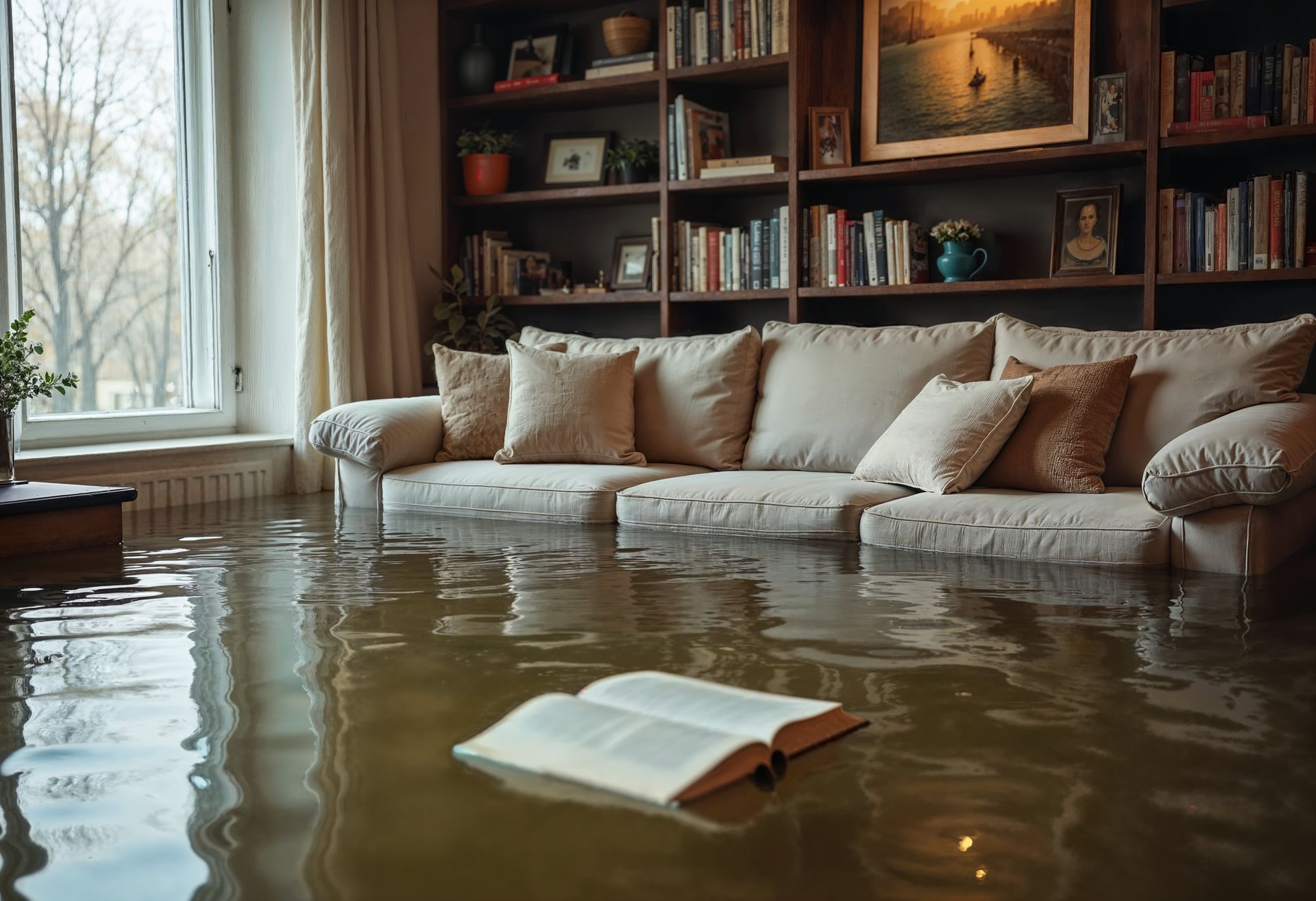
Experiencing a burst pipe or home flood can be stressful. The damage can happen fast, and dealing with insurance can be confusing. Knowing what to do can help you get your home repaired quickly. This guide will walk you through the steps to file an insurance claim and how DryMax Restore can help.
Step 1: Stop the Water and Reduce Damage
- The first thing you should do is stop more water from coming in. If the flooding is from a burst pipe, turn off your home’s main water supply. If it’s from rain or another outside source, try blocking the water’s entry points.
- Turn off the main water valve.
- Move furniture and valuables away from the water.
- Use a mop or wet vacuum to remove as much water as possible.
- If safe, shut off electricity in water-damaged areas.
Step 2: Take Photos and Keep Records
- Before you clean up, take pictures and videos of all the damage. Your insurance company will need proof of what happened.
- Photograph all affected rooms, furniture, and personal items.
- Write down details, including the time and date of the incident.
- Save receipts for emergency repairs or anything you buy due to the damage.
Step 3: Call Your Insurance Company
Once you have documentation, contact your insurance company to report the damage. Be ready with your policy number and details of the situation.
Ask what your policy covers. Some policies cover burst pipes but not flooding from natural disasters.
Find out if an adjuster will come to inspect the damage.
Ask about next steps and deadlines for filing paperwork.
Step 4: Get Help from DryMax Restore
- DryMax Restore specializes in flood and water damage cleanup. We respond quickly to stop further damage and make the restoration process easier.
- 24/7 emergency response to start drying your home immediately.
- We assess the damage and provide detailed reports for your insurance claim.
- We work directly with your insurance company to make the process easier.

Step 5: Meet with the Insurance Adjuster
- Your insurance company will send an adjuster to inspect the damage. Be prepared to show them everything you documented.
- Walk them through the affected areas.
- Provide photos, videos, and receipts.
- Take notes during the inspection.
- DryMax Restore can help by giving expert reports to support your claim.
Step 6: Review Your Insurance Offer
- After the inspection, your insurer will offer a payout based on your policy.
- Read the settlement offer carefully.
- Make sure it covers all damage and repairs.
- If needed, provide additional documentation or ask for a review.
Step 7: Restore Your Home with DryMax Restoration
- DryMax Restoration provides full-service water damage repair.
- We handle everything from water removal to drying.
- Our work meets insurance requirements, for a smooth process through the claim.
- We stay with you through the process until your home is fully restored.
Conclusion
Filing an insurance claim for a burst pipe or flood can be a challenge, but following these steps will make it easier. Acting quickly, keeping records, and working with DryMax Restoration ensures you get your home back to normal as soon as possible.
Need expert help? Contact DryMax Restoration today—we’re here to guide you through the process!

Water damage claims affect your insurance premium at renewal for years. Learn what North Idaho homeowners should know before filing their next claim.

Hidden water damage in North Idaho homes can affect your indoor air quality long before mold becomes visible. Learn the signs and what to do about it.
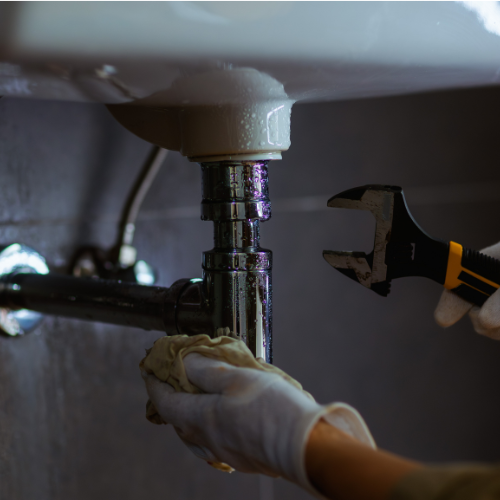
DIY water damage cleanup often makes things worse. Learn the mistakes Post Falls and Coeur d'Alene homeowners make before calling a professional and how to avoid them.

Roof leak or condensation? In North Idaho's climate both are common. Learn the key signs that tell them apart before you call a roofer or spend money on the wrong fix.
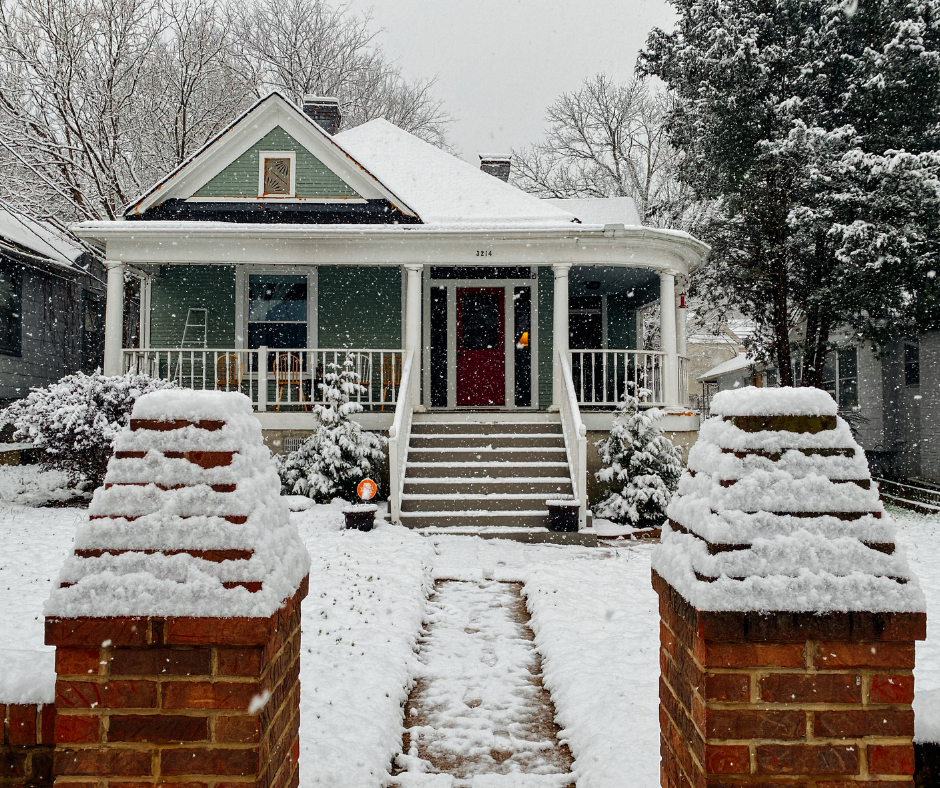
Hard winters do more than cause burst pipes. Learn how freeze-thaw cycles, ice dams, and frost heave quietly damage the structure of North Idaho homes over time.

Know why water damage claims get denied in Idaho and Washington before you file. Learn the most common exclusions and how to protect your coverage.
Commercial water damage is far more complex than residential. Learn what Spokane Valley and North Idaho business owners need to know before disaster strikes.

Wondering what happens to your belongings during water damage restoration? Learn what can be saved and how insurance covers your personal property losses.

Don't figure it out under pressure. Learn what a water emergency plan includes and why every North Idaho and Spokane Valley homeowner needs one ready.

How to Document Water Damage for an Insurance Claim: A Step-by-Step Guide for North Idaho Homeowners
Don't clean up before you document. Learn the exact steps North Idaho homeowners should take to build a strong water damage insurance claim from minute one.
