
What to Do When You Have a Leaky Pipe?
Recognizing the Signs of a Leaky Pipe
Dripping sounds or visible water stains
Some symptoms that may indicate you have a leaky pipe would include any dripping or sounds of running water, this can even be heard through your walls. Another indicator will appear as a water stain that often looks like a yellow or brown spot on your ceiling, or walls. This is caused by the water evaporating, leaving mineral deposits behind.
Unexplained increase in water bills
Keep an eye on your water bills as any random spikes in price could indicate you have a leaky pipe. Even a small drip can lead to gallons of water waste that pours into your home potentially causing water damage. Checking your water meter can help you determine if a leak is happening, if the meter reading is changing with no water being used in the residence, you likely have a leak.
Risks of Ignoring a Leaky Pipe
Water damage can occur even with small amounts of water. This can ruin and damage structural materials such as gypsum board, wood framing, particle board, and much more, requiring them to be replaced, restored, or mold may even occur.
Mold and mildew growth
Mold growth is common with any water left in your home, under the right conditions if structural material as mentioned above gets wet, mold growth can occur within 24 to 48 hours! But this is usually not visible to the naked eye, and can take up to 18 to 21 days for the mold spores to colonize and become visible. If left untreated, mold can eat away at organic materials like wood, leading to dry rot, which can damage the integrity of the materials and structure of the home.
Immediate Steps to Take When You Discover a Leak
- It is very important to understand where your water shutoff valve is located in your home. If a leaky pipe is found it is advised to shut off your water immediately to prevent further damage. This will usually be a gate or wheel that you turn clockwise to shut off the flow of water.
- If the dripping is in an accessible part of the home a simple water bucket can help mitigate further damage. Collect and dispose of the water until help can arrive.
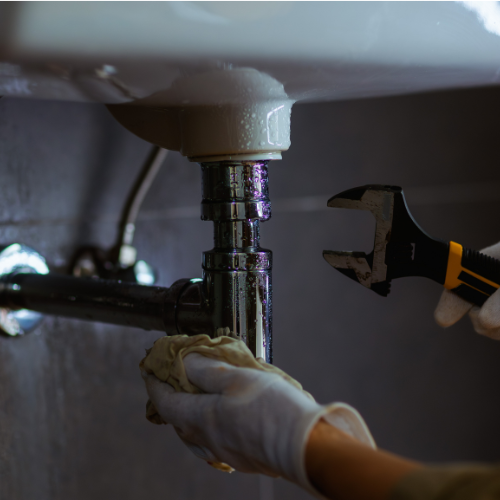
- When examining the culprit of the leak. Look closely at the pipe and check for any rust or corrosion. Aswell inspect the joints and seams of the pipe and look for any separation or damage.
Temporary Fixes for a Leaky Pipe
- While waiting for a plumber to arrive you can try using pipe clamps. Usually used for larger cracks along the length of the pipe. Place a rubber gasket in position over the leak, tighten the pipe clamp over the rubber gasket creating a temporary seal.
- An epoxy putty can mold to the shape of the leak which penetrates small cracks and hardens. Make sure it covers the damaged area entirely. This is best used on small cracks
- A water proof, pressure resistant tape can act as a temporary seal, plumbers tape and even duct tape can temporarily stop a leak by wrapping it around the damaged area as tight as possible until professional help can arrive.
When to Call a Professional
- As with all temporary solutions it is always advised to have a plumber or other professionals repair the leaks in your home. This will prevent reoccurring issues that temporary repairs cannot fix.
- If a large amount of water leaks into your home even after the leak is repaired this is a problem. As mentioned above water can seep into many unsuspecting areas and can cause many structural issues. If this occurs, DryMax can help. We assess all potential areas water may have travelled and can produce a unique detailed plan to restore affected areas.
- If a leak is in an inaccessible area of your residence, such as inside your walls or any key indicators that are telling you a leak is somewhere in your home, call a professional to find and repair the leak.
Preventing Future Pipe Leaks
- Regular check ups on pipes can save you a lot of stress and money. Catching these early can prevent leaks and potential water damage. Check for any rust or corrosion on all accessible pipes to catch the issue before it happens.
- Insulating your pipes is a sure way to stop the damage before it happens. Once the season changes the cold weather can lead to ice build up inside your exposed pipes leading to a blockage which increases pressure inside the pipe causing a leaky pipe or worse a burst pipe. Using a foam cover over all exterior hose bibs can stop this from happening.
How Drymax Can Help with Water Damage Restoration
- If you are experiencing a leaky pipe give us a call! We will send out an experienced plumber to stop the leak, then after we will assess possible water migration and damage that has occurred.
- If water has migrated and seeped into structural material we can help. DryMax specializes in restoring your home, using state of the art equipment we can assess the damage, remove unsavable materials and remediate all affected areas. Stoping further damage and mold from growing.
- If a claim with your insurance has been filed, we can help! We work with all insurance providers to help get the best coverage possible. We document, negotiate, and speak with insurance adjuster to make the process smooth and stress free for you.
FAQs About Leaky Pipes
What are the most common causes of pipe leaks?
- Seal Damage - When a plumber installs your pipes he places water tight seals wherever your pipes connect to a fixture, such as a sink. Over time these seals can degrade and leave room for water to escape.
- High Water Pressure - The more pressurized your water the more damage it will do to your pipes over time. Pipes have a certain pressure threshold so if your pressure is too high, pipe leaks are more likely and even burst pipes may occur.
- Extreme Temperature Changes - Pipes will contract and expand. For example if it gets really cold, then really warm the next day, this can cause major problems with your pipes, which can lead them to leak, crack, and burst. If the temperature gets cold enough, if your pipes are not properly insulated, this can allow them to freeze which can lead to a leak or burst.
- Pipe Corrosion - Over time your pipes can corrode due to substances such as rust. If you notice this or if your plumbing happens to be very old it is best to get them replaced.
Can a small leak lead to major water damage?
Yes, even small leaks can produce gallons of water in a day, this much water can migrate through your homes causing water damage and mold in unsuspecting places.
How long does it take to repair a leaking pipe?
Usually this can take a few hours but this all depends on multiple factors such as the severity of the leak, accessibility of the pipe, and complexity of the repair, and of course the skill of the plumber.
Conclusion: Take Action Now to Prevent Water Damage
If you or anyone you know is struggling with a leaky pipe and not sure how to handle it give DryMax a call, we are available 24/7 to provide expert guidance and support. When we arrive we can start right away to prevent further damage. Trust DryMax with all your restoration needs.