
Step-by-Step Guide: What to Do When You Discover Water Damage
Discovering water damage in your home can be overwhelming. Whether it's from a burst pipe, a leaky roof, or a flooded basement, water damage needs quick action to prevent further problems. Here's a step-by-step guide to help you handle water damage effectively and safely.
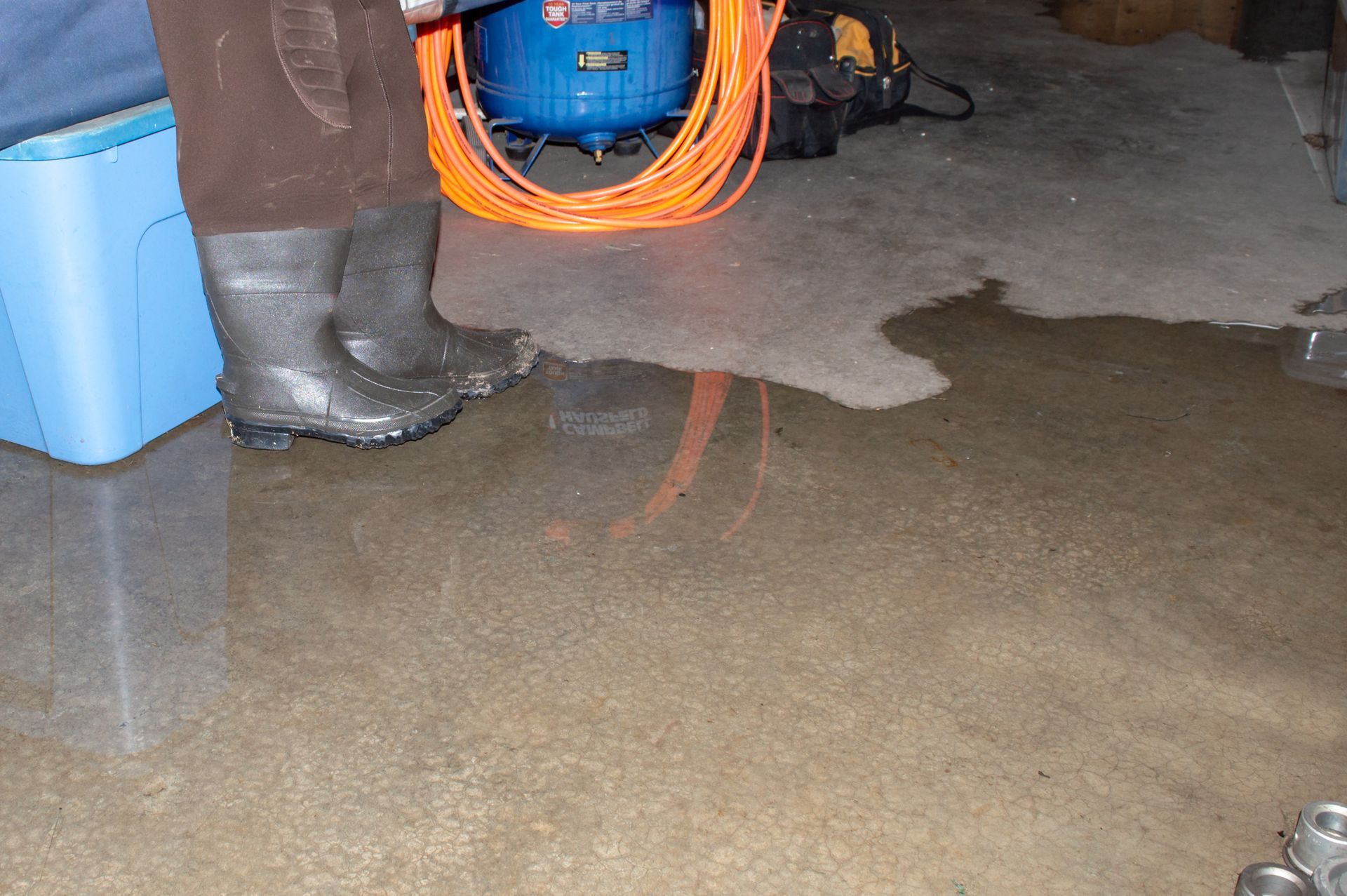
Step 1: Ensure Safety First
Before doing anything else, make sure that you and your family are safe. If the water damage is severe, it could pose electrical hazards. Here are some steps to ensure safety:
- Turn Off the Power: If you can safely access your circuit breaker, turn off the power to the affected area to avoid electrical shocks.
- Avoid Contaminated Water: If the water is from a natural disaster or a sewage backup, it could be contaminated. Avoid contact with the water and wear protective gear if you need to enter the area.
Step 2: Stop the Water Source
Once it's safe to do so, find the source of the water and stop it if possible. If the water is coming from a burst pipe, turn off your home's main water valve. If the leak is from your roof, try to cover the area with a tarp to prevent more water from entering.
Step 3: Remove Excess Water
Removing standing water quickly can help minimize damage. Here are some ways to remove water:
- Use a Wet/Dry Vacuum: A wet/dry vacuum can help you suck up water from floors and carpets.
- Mop and Towels: Use mops and towels to soak up smaller amounts of water.
- Buckets and Containers: For larger amounts of water, you might need to use buckets to scoop and remove it.
Step 4: Dry Out the Area
After removing the water, it's important to dry out the area to prevent mold growth and further damage. Here are some tips for drying out your space:
- Open Windows and Doors: Improve air circulation by opening windows and doors.
- Use Fans: Set up fans to help circulate air and speed up the drying process.
- Dehumidifiers: A dehumidifier can help remove moisture from the air and speed up drying.
Step 5: Inspect for Damage
Once the area is dry, inspect it for damage. Check walls, floors, and furniture for signs of water damage. Look for:
- Stains and Discoloration: Water stains on walls or ceilings can indicate damage.
- Warping and Buckling: Floors or walls that have warped or buckled due to water exposure.
- Mold Growth: Look for any signs of mold, which can appear as black, green, or white spots and can have a musty smell.
Step 6: Contact Your Insurance Company
If the water damage is significant, contact your insurance company to report the damage and start a claim. Take photos and document the extent of the damage. Your insurance company may send an adjuster to assess the damage and determine the coverage.
Step 7: Call a Professional Restoration Company
For major water damage, it's best to call a professional water damage restoration company. Professionals have the equipment and expertise to handle extensive damage, prevent mold growth, and restore your home to its original condition.
Step 8: Prevent Future Water Damage
After addressing the immediate damage, take steps to prevent future water problems:
- Regular Inspections: Regularly inspect your home for leaks, especially in areas prone to water damage like the basement, attic, and around windows.
- Maintenance: Keep your home's gutters and downspouts clean and ensure your roof is in good condition.
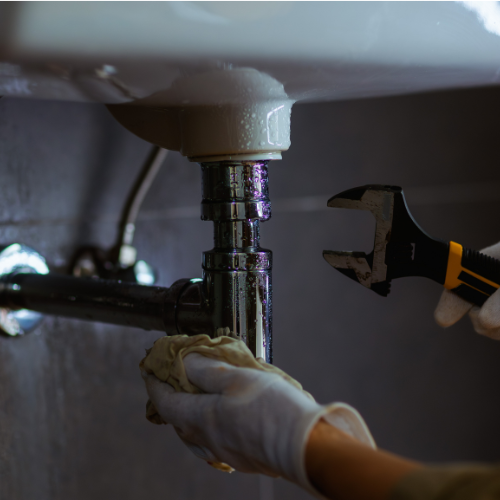
- Plumbing Checks: Have a professional inspect your plumbing system regularly to catch potential issues early.
Water damage can be a stressful and challenging experience, but by taking quick action and following these steps, you can minimize the damage and get your home back to normal. Remember, safety comes first, so always ensure that you and your family are safe before addressing the damage. If you're unsure about handling the damage yourself, don't hesitate to call in professionals to help.