
How firefighting water and soot residue create hidden moisture and mold risks in North Idaho homes
When most homeowners think about fire damage, they picture burned cabinets, blackened walls, or smoke odor that just won’t go away. What they don’t usually think about is water damage. But in Post Falls and Coeur d’Alene, we regularly see homes where a small kitchen fire or electrical issue turns into a much larger restoration project. Not because of the flames, but because of the water used to put them out.
The truth is, fire damage and water damage almost always go hand in hand. And if the water from firefighting efforts isn’t properly dried and treated, it can create mold growth, structural issues, and indoor air quality problems within weeks.
Fire Suppression Water Doesn’t Just Dry Out
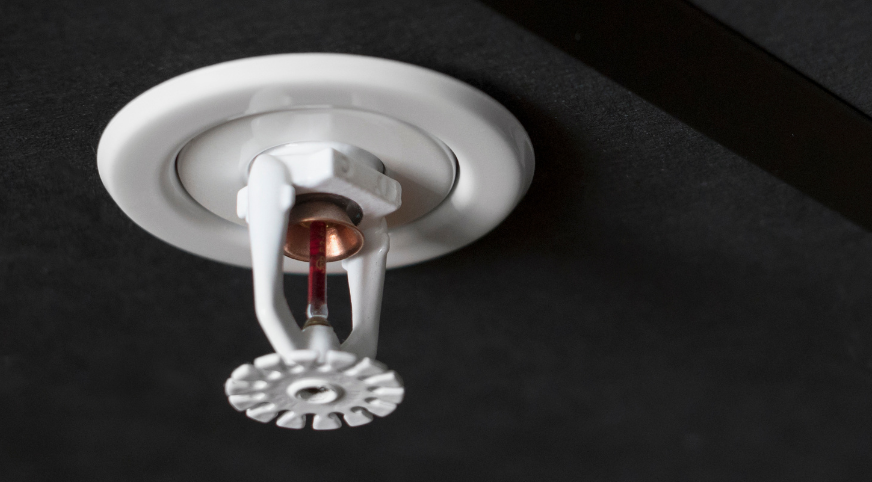
When a fire is extinguished by a sprinkler system, fire department hoses, or even a homeowner with a large extinguisher, significant amounts of moisture are introduced into the structure.
According to the National Fire Protection Association (NFPA), residential fire suppression efforts often involve hundreds of gallons of water, even for relatively small incidents. That water soaks into:
- Drywall and insulation
- Subflooring and framing
- Cabinets and built-ins
- HVAC ductwork
- Crawlspaces and basements
On the surface, everything may look damp but manageable. Underneath, however, materials begin absorbing moisture almost immediately.
Soot and Water Create a Dangerous Combination
Soot residue alone is harmful. It contains fine carbon particles and acidic compounds that cling to surfaces. The U.S. Environmental Protection Agency (EPA) has noted that soot and smoke particles can affect indoor air quality and irritate the respiratory system.
But when soot mixes with water, it creates something worse.
Water causes soot to smear, spread, and penetrate deeper into porous materials. The acidic nature of soot combined with moisture can accelerate corrosion on metal components and staining on structural materials. In some cases, that mixture seeps behind walls or under flooring, where it’s no longer visible but still very active.
In other words, what starts as a smoke cleanup situation quickly becomes a hidden moisture issue.
Mold Growth After Fire Damage
Many homeowners don’t realize that mold growth is one of the most common secondary problems after a fire.
The Centers for Disease Control and Prevention (CDC) explains that mold only needs moisture and organic material to begin growing. After a fire, both are readily available:
- Water from suppression efforts
- Wet insulation and framing
- Damp drywall
- Reduced ventilation due to damaged systems
Within 24 to 48 hours, mold can begin forming in areas that were exposed to moisture but never properly dried.
In North Idaho’s cooler climate especially during winter months, drying times can be slower than homeowners expect. That gives mold even more opportunity to develop.

Hidden Structural Damage From Untreated Water
Water introduced during fire suppression doesn’t always stay where you see it.
Gravity pulls moisture downward, often into lower levels of the home. In Post Falls homes with crawlspaces or basements, this can mean:
- Saturated subflooring
- Wet sill plates
- Compromised framing
- Increased humidity throughout the structure
The Insurance Information Institute has documented that secondary water damage after fires is a major contributor to higher restoration costs. The longer moisture remains untreated, the more invasive the repairs become.
Why DIY Cleanup Often Misses the Real Problem
After a small fire, it’s common for homeowners to clean visible soot, run fans, and assume the problem has been handled. Unfortunately, surface drying rarely addresses moisture trapped inside wall cavities or under flooring.
Professional restoration following fire damage typically includes:
- Moisture detection tools
- Controlled structural drying
- Air scrubbing to remove soot particles
- Inspection of concealed areas
Without that step, a home can look restored while hidden moisture continues to cause damage quietly behind the scenes.
The Cost of Delaying Fire-Related Water Damage Repairs
When fire damage cleanup focuses only on smoke and visible burn areas, untreated water damage can surface weeks later as:
- Persistent musty odors
- Mold growth
- Warped flooring
- Peeling paint
- Structural weakening
By then, restoration becomes more extensive and expensive than it would have been if moisture mitigation had happened immediately.
Conclusion
In Post Falls and Coeur d’Alene homes, fire damage rarely stops at smoke and soot. Water used to extinguish the flames often creates hidden moisture problems that can lead to mold growth, structural damage, and long term indoor air quality issues if not properly addressed, so after a fire, have you considered what might still be lingering behind your walls?