
A step-by-step guide for Post Falls and Coeur d'Alene homeowners on how to respond immediately when a washing machine leak or overflow causes water damage, and when to call a professional.
By Matthew Ratautas | DryMax Restoration | April 2026
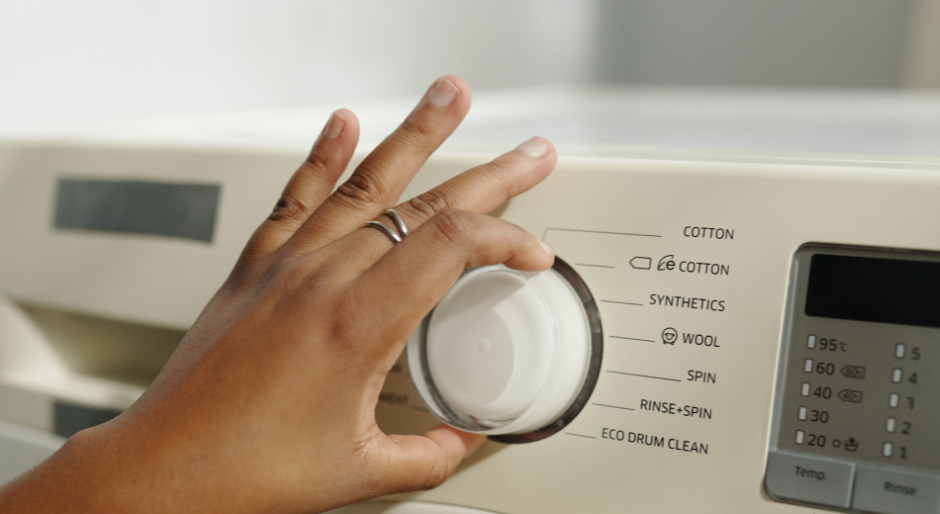
A washing machine overflow is one of those events that goes from ordinary to disastrous in a matter of minutes. One load of laundry starts like any other, and the next thing you know there's water spreading across the laundry room floor, seeping under the door, and heading toward the hallway. It's stressful, it's messy, and it's more common than most homeowners in Post Falls and Coeur d'Alene expect.
Washing machine leaks and overflows are among the most frequent causes of residential water damage claims in the United States. The damage can range from a manageable cleanup to a significant restoration project, depending almost entirely on how quickly and correctly you respond.
This guide walks you through exactly what to do, starting from the moment you discover the problem, and helps you understand when the situation calls for professional help rather than a mop and some towels.
Step 1: Stop the Machine and Cut Off the Water Supply
The first thing to do is stop the machine. Hit the power button or open the lid if it's a top-loader, which will pause most cycles automatically. If the machine is still actively filling or overflowing and you can't get it to stop, go straight to the water supply valves behind the machine.
Every washing machine has two supply valves on the wall behind it, one for hot water and one for cold. Turn both valves clockwise until they are fully closed. This cuts off the water supply to the machine and stops any ongoing overflow or fill cycle.
If for any reason the supply valves are stuck, corroded, or inaccessible because of the machine's position, go to your home's main water shutoff and turn off the water supply to the whole house. It's a more disruptive step but the right call if you can't isolate the washing machine quickly.
Once the water is stopped, do not restart the machine or try to drain it manually until you understand what caused the overflow or leak in the first place.
Step 2: Address Electrical Safety
Water and electricity are a dangerous combination, and laundry rooms often have multiple electrical components close to the floor. Before you start cleaning up, take a moment to assess the electrical situation.
If water has reached any electrical outlets, the washing machine's power cord connection, or any other wiring near the floor, do not enter the standing water until you have turned off the circuit breaker for that area of the home. Even a small amount of water between you and an active electrical source creates a serious risk.
Go to your breaker box and switch off the circuits for the laundry room and any adjacent rooms where water has traveled. If you are unsure which breakers control those areas, turn off the main breaker until you can assess the situation safely.
The U.S. Fire Administration's guidance on electrical safety after water damage makes clear that electrical hazards from water intrusion are serious and often underestimated. When in doubt, shut the power off before entering affected areas.
Step 3: Document Everything Before You Clean Up
Before you grab a mop or start moving wet items, take out your phone and document what you're looking at. This documentation is critical for your insurance claim and it takes only a few minutes to do properly.
Walk through every area where water has reached and record video. Then take still photos of:
• The washing machine and the visible source of the overflow or leak
• Standing water on the floor and how far it has spread
• Any wet flooring, baseboards, walls, or cabinetry
• Personal property that has been damaged, including items stored on the floor
• The supply hoses and connections behind the machine
The more thorough your documentation, the stronger your insurance claim. Adjusters need to see the condition of the space before cleanup begins. Skipping this step and cleaning up first can make it significantly harder to recover the full cost of repairs and restoration.
Step 4: Call Your Insurance Company
Once you've documented the damage, contact your homeowner's insurance provider to report the claim. Most policies cover sudden and accidental water damage from appliance failures, which includes washing machine overflows and supply line failures. Don't wait until the next business day if this happens on a weekend or evening. Most insurers have 24-hour claims lines for exactly this kind of situation.
When you call, have your policy number ready and be prepared to describe what happened, when you discovered it, and what areas of the home have been affected. Ask specifically about coverage for water extraction, structural drying, and mold prevention, since these are the services most likely to be needed.
Also ask your insurer whether they require you to use a preferred vendor for restoration or whether you can choose your own company. In Idaho and Washington, homeowners generally have the right to select their own restoration contractor.
Step 5: Remove Standing Water as Quickly as Possible
Once safety is confirmed and documentation is complete, begin removing standing water. Speed matters here. The longer water sits in contact with flooring, subfloor, baseboards, and wall framing, the more damage it causes and the more likely mold becomes.
A wet-dry shop vac is the most effective tool for this if you have one. Work from the edges of the wet area inward, pulling as much water as possible off hard floors. Mops and towels help for thinner water films on surfaces after the bulk has been vacuumed up.
Remove any wet rugs, mats, or items from the floor and take them outside. Saturated floor coverings hold an enormous amount of moisture and prevent the floor beneath them from drying. If you have laminate, hardwood, or engineered wood flooring in the laundry room or adjacent areas, get them cleared as quickly as possible. These materials absorb water rapidly and begin to warp, swell, and separate within hours of exposure.
According to the IICRC S500 Standard for Professional Water Damage Restoration, the category and class of water damage are assessed based on the type of water involved and how much of the structure has been affected. Washing machine overflow water is typically classified as Category 1 clean water initially, but if it contacts contaminated surfaces or is left standing, it can degrade quickly and require more involved cleanup procedures.
Step 6: Increase Airflow and Begin Drying
After standing water is removed, focus on drying the affected area as quickly as possible. Open windows if outdoor conditions allow. Run ceiling fans and position portable fans to move air across wet surfaces. If you have a dehumidifier, set it up in the laundry room and run it continuously, emptying it as needed.
Pay particular attention to areas where water may have gotten under flooring or into wall cavities. These areas don't dry from airflow alone. Water that has penetrated beneath vinyl flooring, into subfloor, or behind baseboards requires professional drying equipment to address properly.
Avoid the temptation to crank up the heat to speed drying. Forced air heating pushes moist air into other parts of the home and can spread the moisture problem beyond the original affected area. Steady airflow and dehumidification are more effective and more controlled.
Understanding how quickly hidden moisture damage progresses is important here. Our post on what happens if water damage is left untreated for 30, 60, or 90 days explains the timeline in detail and why the first 24 to 48 hours are the most critical window for limiting long-term damage.
Step 7: Identify What Caused the Overflow or Leak
Once the immediate situation is under control, you need to figure out what caused the problem so it doesn't happen again. Washing machine water damage events almost always fall into one of several categories.
Supply Hose Failure
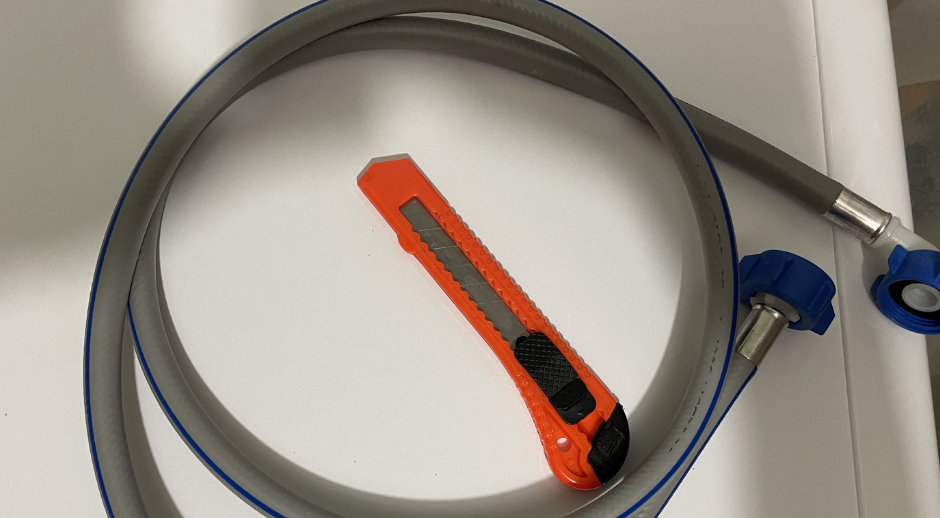
The supply hoses that connect your washing machine to the wall valves are one of the most common failure points. Standard rubber hoses have a lifespan of about five years, and many homes have hoses that are significantly older than that. A hose that has cracked, developed a pinhole, or failed at a fitting connection can release water continuously during a wash cycle.
Inspect both supply hoses carefully. Look for bulging, cracking, corrosion at the fittings, or any sign of moisture at the connection points. If the hoses are original to the machine or more than five years old, replace them with braided stainless steel hoses regardless of whether they show visible damage. Braided steel hoses are significantly more durable and far less prone to sudden failure.
Drain Hose Problems
The drain hose carries wastewater out of the machine during the spin cycle. If the drain hose has come loose from the standpipe or wall drain, is positioned too low, or has developed a clog or kink, water can back up and overflow onto the floor. Check that the drain hose is properly seated and secured in the standpipe and that the standpipe itself is not clogged.
Overloading or Unbalanced Loads
Overloading a washing machine causes it to vibrate excessively during the spin cycle. Over time, that vibration can loosen supply hose connections, shift the machine away from the wall, and stress internal components. An oversized or unbalanced load can also cause the machine to overflow during the fill cycle if the load absorbs water unevenly and the machine misreads the water level.
This is a particularly common cause of overflows in top-loading machines. A load that is packed too tightly or unevenly distributed can trigger a fill sequence that adds too much water before the machine levels off correctly.
Internal Component Failure
Water inlet valves, pump seals, tub seals, and door gaskets on front-loading machines can all fail and cause leaking that appears to come from beneath the machine rather than from the supply or drain connections. These failures typically require a repair technician to diagnose and fix. If your supply and drain hoses look fine but the machine is still leaking, an internal component is likely the cause.
When DIY Cleanup Is Not Enough
A washing machine overflow that is caught quickly, while water is still mostly on the surface of hard flooring, is often manageable with a thorough DIY response. The problem is that water rarely stays on the surface, especially in laundry rooms where flooring transitions to hallways, the subfloor has seams or gaps, or adjacent walls have baseboard trim that channels water inward rather than outward.
Call a professional restoration company if any of the following apply:
• Water has reached carpet, engineered wood, laminate, or hardwood flooring in adjacent rooms
• The laundry room shares a wall with a bathroom, kitchen, or finished basement and water may have traveled through
• The overflow lasted for more than a few minutes before being discovered
• You can hear or feel soft spots in the subfloor
• A musty odor develops within 24 to 48 hours of the event
• Water reached any wall area near electrical outlets or wiring
Restoration professionals use moisture meters and thermal imaging cameras to find water that has traveled beyond what is visible. Hidden moisture in subfloor, wall cavities, or insulation doesn't dry on its own in any reasonable timeframe. Without proper drying, it becomes a mold problem within 24 to 48 hours.
The EPA's guidance on mold and moisture in homes confirms that mold can begin growing on wet organic materials within 24 to 48 hours. In a laundry room with wood subfloor, drywall, and insulation all potentially affected, that window moves fast.
For homeowners who want to understand the full scope of what a water damage event involves from a professional restoration standpoint, our post on what North Idaho homeowners should do in the first 24 hours after a pipe bursts covers the response framework that applies to any significant water intrusion event, including appliance failures.
How to Prevent Washing Machine Water Damage in the Future
Most washing machine water damage events are preventable with a small amount of routine attention.
• Replace rubber supply hoses with braided stainless steel hoses every five years or immediately if the current hoses are original to the machine
• Install a washing machine flood stop device, which automatically shuts off the water supply if it detects a leak or overflow
• Never run the washing machine when you are away from home or asleep, so that any overflow is discovered immediately
• Inspect the supply hose connections and drain hose annually for signs of wear, moisture, or loosening
• Avoid overloading the machine and follow manufacturer guidelines for load size
• Keep the area behind and around the machine clear so supply hoses and connections can be inspected easily
The single most impactful prevention step for most homeowners is replacing old rubber supply hoses with braided stainless steel hoses. It's a fifteen-minute job and a small cost that eliminates one of the most common and damaging failure modes in residential laundry rooms.
If your home has hard water, as many homes in Kootenai County do, mineral buildup can accelerate wear on supply hose fittings and internal machine components over time. Our post on why hard water in Kootenai County can lead to hidden pipe damage and mold growth explains how mineral scale affects plumbing and appliance connections in this region specifically.
Final Thoughts
A washing machine overflow is disruptive and stressful, but the outcome depends almost entirely on how fast you respond and how thoroughly the moisture is addressed. Stopping the water source, cutting power if needed, documenting before you clean up, and getting professional drying involved when the situation warrants it are the steps that separate a manageable repair from a months-long restoration project.
In North Idaho's climate, where homes tend to have crawlspaces, older plumbing connections, and subfloor materials that absorb moisture quickly, a washing machine leak that spreads beneath flooring before it's caught can cause more damage than it appears to on the surface. Taking it seriously from the start is always the right call.
If you haven't checked your washing machine supply hoses recently, do you actually know how old they are and whether they're due for replacement?