A practical fall prevention checklist for Spokane Valley homeowners covering roofs, gutters, plumbing, crawlspaces, and HVAC systems before freezing temperatures arrive.
By Matthew Ratautas | DryMax Restoration | April 2026
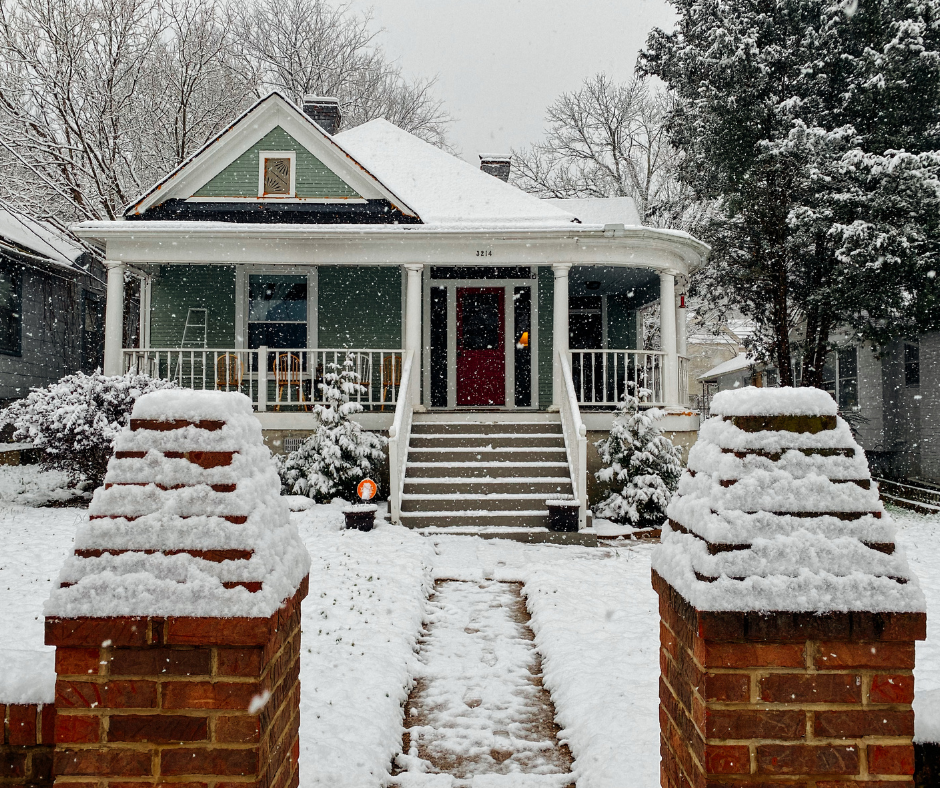
Spokane Valley homeowners deal with some of the most demanding winter conditions in Washington. Hard freezes that arrive fast, temperature swings that stress plumbing and roofing, snowfall that loads up gutters and attic spaces, and the kind of extended cold that turns a small unaddressed issue into a significant water damage event before the season is over.
The frustrating thing is that most winter water damage in Spokane Valley homes is preventable. The burst pipes, the ice dam leaks, the crawlspace flooding that follows the first hard freeze all tend to trace back to things that could have been addressed in September or October before temperatures dropped. By the time winter is underway, your options narrow considerably.
This guide covers the specific steps Spokane Valley homeowners should take in the fall to protect their home from water damage before winter arrives. The window to act is real and it closes every year around the same time.
Why Spokane Valley's Climate Creates Specific Winter Water Damage Risks
Spokane Valley sits in a climate zone that produces challenging conditions for residential structures. Winters bring extended periods of sub-freezing temperatures, significant snowfall, and the kind of freeze-thaw cycling that stresses materials more than either consistent cold or consistent warmth would.
A typical Spokane Valley winter includes stretches of hard freezing temperatures punctuated by warmer days that cause partial melting, followed by another hard freeze. That cycling affects everything from roof materials and gutters to plumbing in exterior walls and water lines in crawlspaces. Materials expand in warmth and contract in cold. Connections that were tight in October develop hairline gaps by February. Water that partially melts during a warm afternoon refreezes at night and expands, widening cracks in concrete, gaps in flashing, and separations in supply line fittings.
Our post on why Spokane homes experience more storm related water damage than homeowners expect covers the broader storm damage picture for this region. The pre-winter prevention steps in this post are specifically aimed at the structural and plumbing vulnerabilities that Spokane Valley weather exploits every season.
Step 1: Inspect and Clear Your Gutters and Downspouts
Clogged gutters are one of the most common and preventable contributors to winter water damage in Spokane Valley homes. When gutters are full of leaves and debris heading into winter, they can't drain properly during the frequent freeze-thaw cycles of the season.
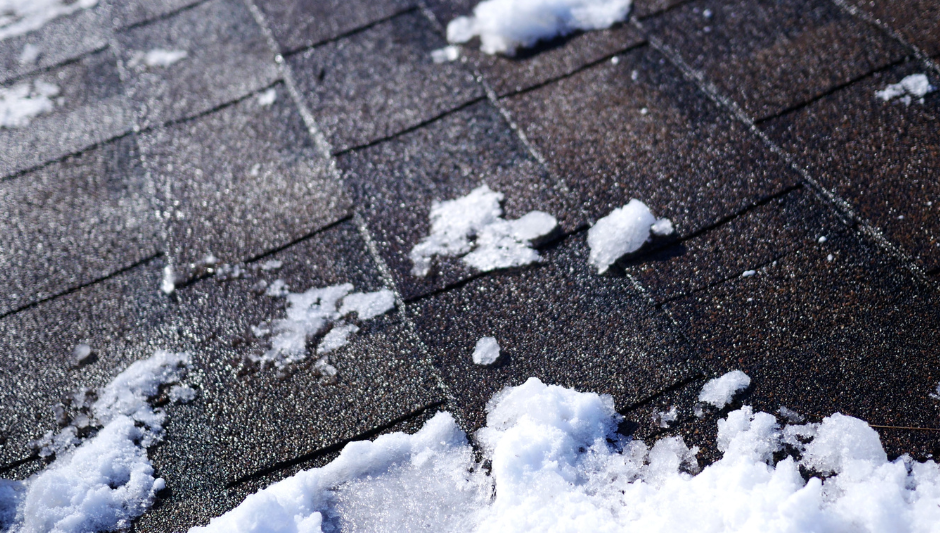
Clogged gutters allow water to back up and sit against the fascia board and roofline. In freezing temperatures, that water turns to ice and expands, forcing its way under shingles and into the roof deck. This is the primary mechanism behind ice dams, which are one of the more destructive and expensive winter water damage scenarios Spokane Valley homeowners deal with.
Clean gutters thoroughly in late October or early November, after the majority of leaves have fallen but before the first hard freeze. Check that all downspouts are clear and that they discharge water well away from the foundation. A downspout that terminates too close to the house sends snowmelt and rain runoff directly toward the foundation, which is especially problematic when the ground is frozen and can't absorb water.
The National Roofing Contractors Association recommends biannual roof and gutter inspections in spring and fall specifically because these are the seasons when problems that developed over the previous season are most likely to cause damage during the coming one. Fall is when gutter clearing and roofline inspection matters most in climates like Spokane Valley's.
Step 2: Have Your Roof Inspected Before Winter
Your roof is the first line of defense against winter moisture, and Spokane Valley winters test it thoroughly. Shingles that are cracked, cupped, or missing granules, flashing that has lifted at chimneys, skylights, or wall intersections, and valleys that have developed micro-separations are all pathways for water intrusion during the snow and ice events of winter.
A professional roof inspection in October identifies these issues while there's still time to address them before snow makes access difficult and temperatures make repairs impractical. Roofing contractors in the Spokane area book up quickly in fall, so scheduling earlier rather than later is worth doing.
Pay particular attention to flashing. Flashing failures at chimney bases, roof-to-wall transitions, and around any penetrations through the roof are among the most common sources of winter leaks. Even small gaps in flashing allow wind-driven snow and ice melt to enter the roof assembly, where it saturates insulation and roof decking before showing up as a ceiling stain inside the home.
If your home has an attic, attic moisture from roof issues is worth understanding before winter. Our post on why attic condensation in North Idaho homes is a hidden water damage problem most homeowners miss covers how roof and ventilation issues in cold climates produce hidden attic moisture that damages framing and insulation. The same dynamics apply directly to Spokane Valley homes.
Step 3: Inspect and Protect Your Plumbing
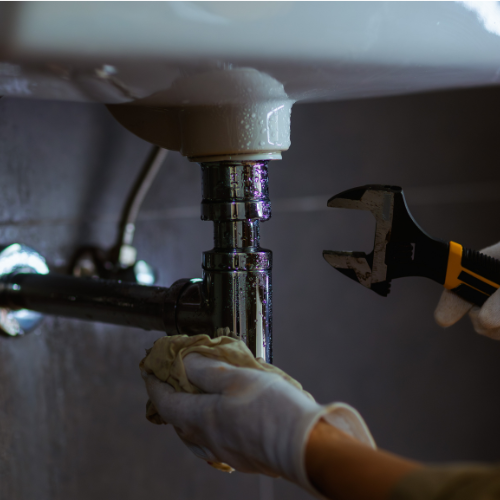
Frozen and burst pipes are one of the most common and most costly winter water damage events in Spokane Valley. The pipes most at risk are those that run through unheated spaces: exterior walls, garage walls, crawlspaces, and areas beneath kitchen and bathroom cabinets on outside walls.
Locate and Test Your Main Shutoff Valve
Before winter arrives, find your main water shutoff valve and confirm it operates correctly. Turn it to make sure it moves freely and closes completely. A shutoff valve that hasn't been operated in years can seize or fail to close properly. Knowing where it is and having it work when you need it is essential for limiting damage from a burst pipe event.
Insulate Vulnerable Pipes
Pipes in unheated spaces should be insulated before temperatures drop. Foam pipe insulation is inexpensive and straightforward to install in most crawlspace and garage situations. Focus on any pipe that runs through an exterior wall, along a rim joist in the crawlspace, or through a space that doesn't receive heat from the home's HVAC system.
Disconnect and Drain Outdoor Hose Bibs
Outdoor hose bibs should be disconnected from hoses, shut off at the interior valve if there is one, and drained before the first hard freeze. Water left in an outdoor hose bib connection can freeze, expand, and crack the fitting or the pipe behind the wall. This is a common and easily preventable source of water damage that homeowners discover in spring when they turn the hose on for the first time.
The EPA's WaterSense program guidance on protecting household plumbing from winter damage recommends disconnecting outdoor hoses and insulating exposed pipes as standard pre-winter preparation in cold climate regions like Spokane Valley.
Step 4: Check Your Crawlspace Before the Ground Freezes
Spokane Valley has a significant number of homes with crawlspaces, and the crawlspace is one of the most commonly neglected areas of the home heading into winter. A crawlspace that already has moisture problems going into the cold season will typically see those problems worsen over winter, particularly during snowmelt periods when groundwater levels rise.
Before the first hard freeze, inspect your crawlspace for the following:
• Standing moisture or wet soil on the crawlspace floor
• A vapor barrier that is torn, missing, or has pulled away from the foundation walls
• Insulation that has fallen from between floor joists or appears compressed or discolored
• Any signs of mold on wood framing, joists, or the underside of the subfloor
• Pipes running through the crawlspace that are uninsulated or in areas with no heat source
• Vents that are damaged or that don't seal properly when closed for winter
If you find any of these issues in October, you have time to address them before winter makes crawlspace access uncomfortable and before frozen ground prevents drainage improvements from being made.
For a deeper look at how crawlspace moisture develops and why it persists in the Inland Northwest climate, our post on why crawlspaces in North Idaho homes stay wet long after winter ends explains the seasonal dynamics at work. Spokane Valley crawlspaces face the same snowmelt and groundwater pressures as North Idaho homes.
Step 5: Service Your HVAC System Before It Has to Work Hard
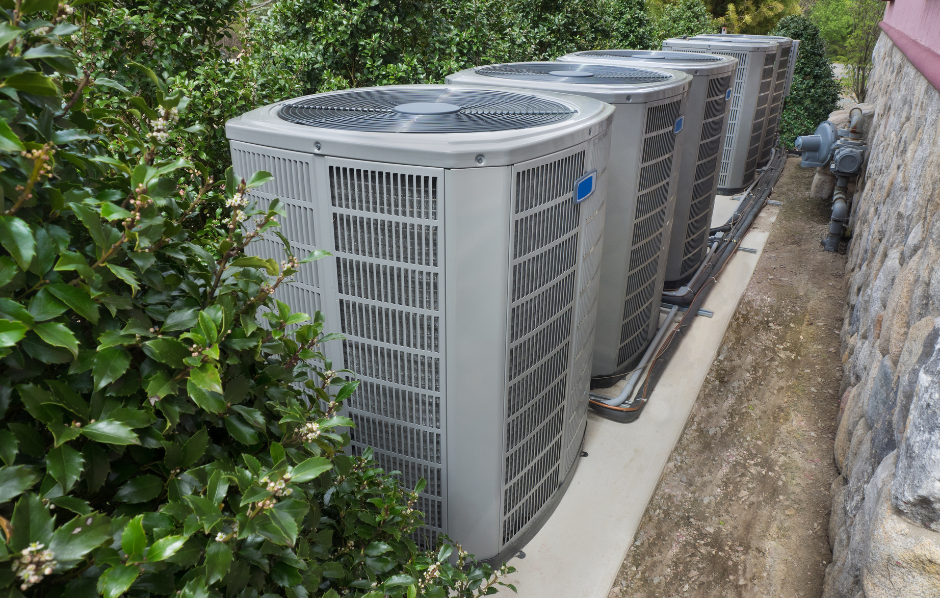
Your heating system is going to run hard all winter. A system that hasn't been serviced before the cold season arrives is more likely to have issues during peak demand, and some of those issues, particularly condensate drain problems, directly cause water damage.
Schedule an HVAC inspection in September or early October. Have the technician check the condensate drain line for buildup or partial clogs, inspect the drain pan for cracks or corrosion, verify that the filter is clean and airflow is unrestricted, and confirm that any ductwork in the crawlspace or attic is properly insulated and hasn't developed gaps.
Also check that bath fans and kitchen exhaust fans vent to the outside rather than into the attic. A bath fan that terminates in the attic sends warm, humid air into the attic space every time someone showers. Over a winter of daily use, that adds up to significant moisture deposition in attic framing and insulation.
Changing your HVAC filter is something that should happen every one to three months regardless of season, but it matters more heading into winter because a restricted filter is one of the primary causes of frozen evaporator coils, which can cause overflow events when the system cycles off and ice melts faster than the drain pan can handle.
Step 6: Seal Air Leaks Around Windows, Doors, and Penetrations
Air sealing is often described as an energy efficiency measure, and it is. But it also has direct implications for moisture management. Gaps around window frames, door frames, pipe penetrations through exterior walls, and where utilities enter the home allow both cold air and moisture to enter the building envelope.
In winter, cold air entering around a window frame chills the wall cavity behind it. When warm indoor air contacts that chilled surface, condensation forms inside the wall, exactly the kind of hidden moisture source that leads to mold growth and material deterioration over time.
Walk around the exterior of the home in October and look for gaps in caulking around windows and doors, where pipes and electrical conduits exit the home, at the transition between siding and foundation, and at any point where different materials meet. Recaulk anything that shows cracking, separation, or gaps. It's inexpensive and takes an afternoon.
The U.S. Department of Energy's guidance on air sealing identifies attic air sealing and envelope gaps around penetrations as among the highest-impact improvements homeowners can make before winter. The moisture benefits are as significant as the energy savings.
Step 7: Review Your Homeowner's Insurance Coverage
Before winter arrives is a good time to pull out your homeowner's insurance policy and understand what it covers and what it doesn't. Many homeowners only look at their policy after something has gone wrong, which is too late to address coverage gaps.
Standard homeowner's insurance typically covers sudden and accidental water damage from events like burst pipes. It generally does not cover gradual damage from slow leaks, flood damage from external water sources, or damage resulting from deferred maintenance. Understanding those distinctions before a claim helps you know what to expect and whether you have any gaps worth addressing.
If you live in an area of Spokane Valley that is in or near a designated flood zone, confirm whether your policy includes flood coverage or whether a separate National Flood Insurance Program policy is warranted. Standard homeowner's policies do not cover flooding, and that distinction matters if spring snowmelt or a significant rain event causes water to enter your home from the ground rather than from a plumbing failure.
Our post on how to file an insurance claim for burst pipes and flood damage walks through the claims process in detail and is worth reviewing before you need it, so you understand what documentation matters and what steps to take if a winter water damage event does occur.
A Pre-Winter Checklist for Spokane Valley Homeowners
Here is a consolidated checklist of the steps covered above. Working through this list before mid-November puts you well ahead of the most common winter water damage scenarios:
• Clean gutters and downspouts after leaves have fallen, confirm downspouts discharge well away from the foundation
• Have the roof inspected by a professional with specific attention to flashing at chimneys, walls, and penetrations
• Locate your main water shutoff and confirm it operates correctly
• Insulate exposed pipes in crawlspaces, garages, and exterior walls
• Disconnect and drain outdoor hose bibs before the first hard freeze
• Inspect the crawlspace for moisture, vapor barrier condition, and pipe insulation
• Schedule an HVAC inspection and change filters before heavy heating season use begins
• Verify bath fans and kitchen exhaust fans vent to the exterior, not into the attic
• Seal exterior caulking gaps around windows, doors, and utility penetrations
• Review your homeowner's insurance policy for coverage details and any gaps before you need to file a claim
None of these steps require specialized skills or significant expense on their own. The combination of all of them, done before temperatures drop, eliminates the vast majority of water damage risk that Spokane Valley homeowners face over a typical winter.
Final Thoughts
Winter water damage in Spokane Valley is common, but it's not inevitable. The homes that make it through hard winters without burst pipes, ice dam leaks, or crawlspace flooding are almost always the ones where someone took a few weekends in the fall to work through a prevention checklist before the season arrived.
The cost of prevention is a fraction of the cost of restoration. A few hours of gutter cleaning, a roof inspection, pipe insulation in the crawlspace, and an HVAC service call represent maybe a few hundred dollars and a weekend of attention. A burst pipe or ice dam leak, by contrast, can easily run into thousands of dollars in restoration costs and weeks of disruption.
With fall arriving and temperatures starting to drop in the Spokane Valley area, have you worked through your home's winter prevention checklist yet?