Why North Idaho landlords face a different set of water damage risks than homeowners, and what to do when tenants, turnover, and deferred maintenance collide.
By Matthew Ratautas | DryMax Restoration | March 2026
The rental market in Post Falls and Coeur d'Alene has grown steadily over the past several years. More people are moving into the area than ever before, and that growth has pushed a lot of property owners into becoming landlords, sometimes without a lot of preparation for what that actually involves.
One of the biggest surprises for new and experienced landlords alike is how differently water damage plays out in a rental property compared to a home you live in. When you live in your own home, you notice a dripping faucet, a soft spot in the floor, or a musty smell pretty quickly. When you have tenants, those same problems can go unreported for weeks or months before you ever hear about them.
By the time a landlord finds out, what started as a small leak has often turned into mold, rotted subfloor, or significant structural damage. This guide covers the specific water damage risks that come with owning rental property in North Idaho and what landlords can do to get ahead of them.
Why Rental Properties Are More Vulnerable to Water Damage
The core problem with rental properties is the gap between when damage starts and when someone with authority to fix it finds out. In owner-occupied homes, that gap is usually hours or days. In rentals, it can stretch into weeks.
Several factors contribute to this.
Tenants Don't Always Report Problems
Some tenants don't report maintenance issues because they don't want to bother the landlord. Others worry about being blamed for damage they didn't cause. Some simply don't recognize that a slow drip under the sink or a soft patch of flooring near the tub is actually a problem worth reporting.
Whatever the reason, delayed reporting is one of the most common causes of severe water damage in rental properties. A leak that gets reported the day it starts is a plumbing repair. A leak that gets reported three months later is a mold remediation and subfloor replacement.
Vacancy Periods Create Blind Spots
Rental properties that sit vacant between tenants are at significant risk. Nobody is there to notice a slow pipe leak, a water heater that has started weeping, or condensation building up in a crawlspace. In North Idaho winters, a vacant property with inadequate heat can develop frozen pipes that burst and flood the space before anyone realizes what has happened.
Our post on what North Idaho homeowners should do in the first 24 hours after a pipe bursts covers the immediate response steps, but for landlords the bigger challenge is often finding out about the burst pipe in the first place.
Deferred Maintenance Compounds Over Time
Landlords who manage multiple properties sometimes let small maintenance items slide. A slow drain, a loose supply line fitting, aging caulk around a tub. On their own, none of these seem urgent. But in a rental where nobody is checking regularly, small issues stack up and interact with each other in ways that accelerate damage.
A loose supply line fitting that drips slightly will eventually fail completely. In a rental, that failure often happens between tenant check-ins.
The Most Common Sources of Water Damage in North Idaho Rentals
Based on what we see in Post Falls and Coeur d'Alene properties, the following are the most frequent starting points for water damage in rental homes and units.
Appliance Supply Lines
Refrigerator ice maker lines, washing machine supply hoses, and dishwasher connections are among the most common sources of slow leaks in rental properties. These connections wear out over time and are often original to the appliance, sometimes decades old.
Rubber washing machine hoses in particular are known to fail without warning. The Insurance Information Institute has reported that washing machine failures are one of the leading sources of water damage claims in residential properties. In a rental where a tenant may not notice a slow leak behind the machine, the damage can be significant before anyone catches it.
Bathroom Plumbing and Tile
Bathrooms take more abuse in rental properties than almost any other room. Grout and caulk deteriorate faster when cleaning is inconsistent, and shower pans and tub surrounds that aren't maintained properly allow water to seep into subfloor and wall cavities over time.
We regularly see rental bathrooms where the floor feels soft near the toilet or tub. That softness is almost always a sign that moisture has been getting into the subfloor for an extended period. By the time flooring feels spongy underfoot, the damage underneath is usually more extensive than it appears on the surface.
Water Heaters
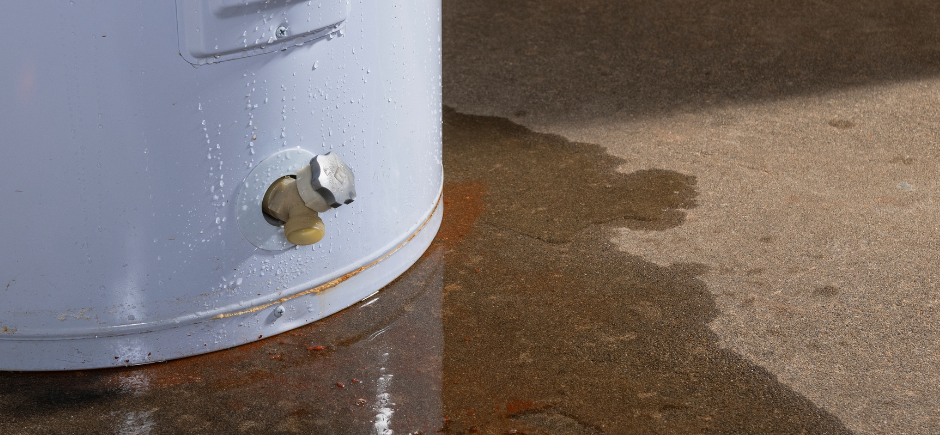
Water heaters in rental properties are often older than they should be. The average lifespan of a tank water heater is 8 to 12 years, but it's not uncommon to find units in rentals that are 15 years old or more. As water heaters age, the tank corrodes from the inside and the pressure relief valve can fail. Both of those failure modes can result in significant water release.
A water heater that fails slowly might drip for weeks before anyone notices. One that fails suddenly can release 40 to 80 gallons of water into a utility room or closet in a very short period of time.
Roof and Gutter Issues
Landlords who don't visit their properties regularly often miss the early signs of roof and gutter problems. Clogged gutters cause water to back up against fascia and eaves, which leads to rot and eventually water intrusion into attic spaces and wall cavities. Missing or cracked shingles let water in gradually, often showing up first as ceiling stains that tenants may not think to report.
North Idaho's freeze-thaw cycles make roof and gutter maintenance especially important. For more on how seasonal conditions affect building exteriors in our area, our post on why Spokane homes experience more storm related water damage than homeowners expect covers the same dynamics that affect rental properties across the region.
Mold Risk Is Higher in Rentals
Mold is a serious concern in any home, but rental properties carry a higher risk for a few reasons. Tenants vary in how they manage indoor humidity. Some run the bathroom fan consistently, others never use it. Some dry laundry indoors. Some keep windows cracked even in winter. All of these habits affect indoor moisture levels.
According to the EPA's residential mold guidance, mold growth is primarily a moisture management problem. Properties where indoor humidity is consistently elevated and ventilation is poor are significantly more likely to develop mold, regardless of how old or new the building is.
For landlords, the challenge is that mold in a rental can become a habitability issue and a legal liability, not just a maintenance problem. Idaho landlord-tenant law requires that rental properties be maintained in a habitable condition, and persistent mold that affects indoor air quality can put a landlord in a difficult position if it isn't addressed promptly.
The practical takeaway is that landlords should treat any reported moisture issue in a rental as urgent, not routine. A tenant who mentions a musty smell or a water stain on the ceiling is giving you an early warning. Taking it seriously right away is almost always less expensive than waiting.
What Landlords Can Do to Reduce Water Damage Risk
Schedule Regular Property Inspections
The single most effective thing a landlord can do is visit the property regularly. Quarterly inspections give you a chance to catch slow leaks, check under sinks, look at the water heater, and assess the condition of bathrooms and laundry connections before small problems become large ones.
Most Idaho lease agreements allow landlords to enter the property with proper notice, typically 24 hours, for the purpose of inspection. Building inspections into your property management routine is one of the easiest ways to stay ahead of water damage.
Replace Aging Appliance Supply Lines
If your rental property has rubber washing machine hoses that are more than five years old, replace them with braided stainless steel hoses. They cost very little and are significantly more durable. The same applies to refrigerator ice maker lines and dishwasher supply connections.
This is a small investment that eliminates one of the most common sources of slow water damage in rental properties.
Install a Water Leak Detection Device
Smart leak detectors have become inexpensive and widely available. A basic sensor placed near the water heater, under the kitchen sink, and in the laundry area can send an alert to your phone the moment it detects moisture. For landlords who don't live near their rental properties, this kind of early warning can be the difference between a small repair and a major restoration.
Maintain the Roof and Gutters on a Schedule
Gutters should be cleaned at least twice a year in North Idaho, once in late fall after leaves have dropped and once in spring after snowmelt. Roofs should be inspected annually, ideally by someone who can get up and actually look at the surface, not just view it from the ground.
Staying on top of exterior maintenance prevents the slow-moving water intrusion that is hardest to detect and most damaging over time.
Educate Tenants at Move-In
Taking 10 minutes at move-in to show tenants where the main water shutoff is, explain what kinds of issues to report immediately, and set expectations about bathroom ventilation can make a real difference. Tenants who know where the shutoff valve is can stop a burst pipe in seconds. Tenants who don't know it exists may wait for the landlord to call back while water continues to spread.
For context on what can happen when water damage isn't caught quickly, our post on what happens if water damage is left untreated for 30, 60, or 90 days lays out exactly how damage escalates over time.
What to Do When Water Damage Is Found in a Rental
When you discover water damage in a rental property, the response needs to be faster than it might be in your own home. You have both a legal obligation to maintain habitable conditions and a financial interest in limiting how far the damage spreads.
The immediate steps are:
• Identify and stop the source of water if it is still active
• Document the damage thoroughly with photos and video before any cleanup begins
• Notify your insurance carrier right away
• Contact a professional water damage restoration company to assess the full extent of moisture intrusion
• Keep the tenant informed and make alternate arrangements if the unit is not habitable
One thing landlords sometimes underestimate is how far water damage actually extends beyond what is visible. A leak under a bathroom sink doesn't just wet the cabinet floor. Water travels along pipes, into wall framing, and under flooring. Professional moisture mapping with thermal imaging can identify the full affected area so nothing gets missed during restoration.
The IICRC S500 Standard for Professional Water Damage Restoration outlines the professional standards for assessing and drying water-damaged structures. Working with a certified restoration company means the work is done to those standards, which matters both for the quality of the repair and for insurance documentation.
Insurance Considerations for Rental Property Owners
Standard homeowner's insurance policies typically do not cover rental properties. Landlords need a landlord insurance policy or a dwelling fire policy that is specifically designed for non-owner-occupied properties. These policies vary in what they cover, so it is worth reviewing yours carefully before a claim happens.
Most landlord policies cover sudden and accidental water damage from things like burst pipes and appliance failures. Gradual damage from slow leaks that went unreported is often excluded, which is another reason why regular inspections matter so much.
It is also worth checking whether your policy covers loss of rental income if a unit becomes uninhabitable due to water damage. Not all policies include this coverage automatically, but it can be added as an endorsement and is well worth having.
For a closer look at how water damage insurance claims work in general, our post on how to file an insurance claim for burst pipes and flood damage covers the process in detail.
Final Thoughts
Owning rental property in Post Falls and Coeur d'Alene is a real opportunity, but it comes with a set of water damage risks that are genuinely different from what owner-occupied homeowners deal with. The combination of delayed reporting, vacancy periods, deferred maintenance, and North Idaho's demanding climate creates conditions where small moisture problems can turn into expensive restoration projects faster than most landlords expect.
The good news is that most of these risks are manageable with the right habits. Regular inspections, proactive maintenance, tenant education, and a fast response when problems are reported go a long way toward protecting a rental property from the kind of water damage that sidelines a unit for weeks and drains a landlord's budget.
If you own rental property in the Post Falls or Coeur d'Alene area and haven't had a professional moisture assessment done recently, is your next property inspection scheduled before the next tenant moves in?