
How aging plumbing, outdated drainage systems, and decades of freeze-thaw exposure put older North Idaho homes at significantly greater risk for hidden moisture damage and mold.
By Matthew Ratautas | DryMax Restoration | April 2026
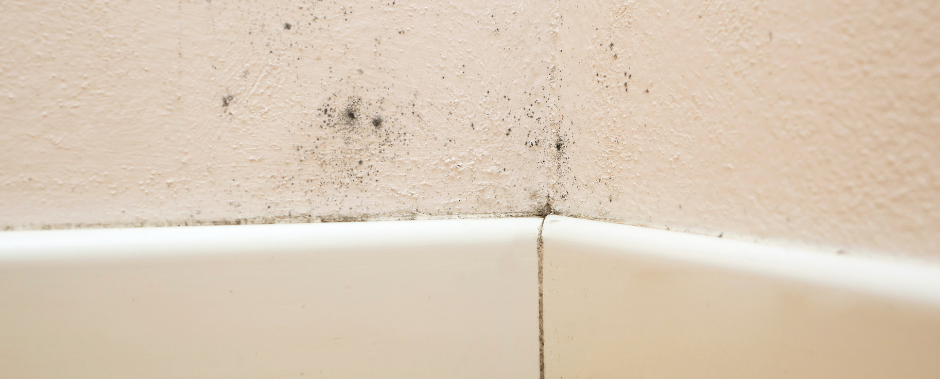
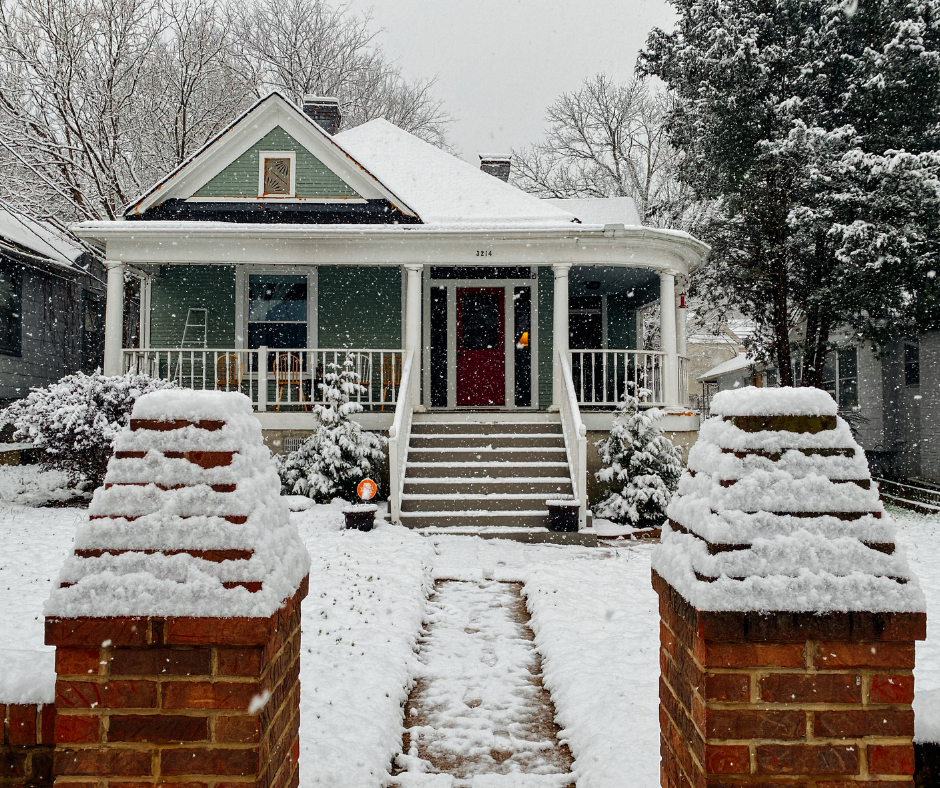
There's a lot to love about older homes in Coeur d'Alene and Post Falls. Established neighborhoods, larger lots, mature trees, and construction quality that you don't always find in newer builds. But older homes also come with a set of risks that newer homes don't have, and water damage is right at the top of that list.
Homes built in the 1960s, 70s, and 80s were constructed with materials and methods that have aged significantly over the past several decades. Plumbing systems that were installed 40 or 50 years ago were not designed to last indefinitely. Drainage systems from that era didn't account for the kind of seasonal moisture exposure that North Idaho homes deal with year after year. And building envelopes that haven't been updated can allow moisture to enter in ways that are difficult to detect until real damage has already set in.
This post covers the specific reasons older homes in our area face a disproportionate risk of hidden water damage, and what homeowners should pay attention to if they own or are considering buying an older property in Kootenai County.
The Plumbing Problem: What's Hiding Inside the Walls
The plumbing in an older home is one of the most significant hidden water damage risk factors, and it's one that doesn't announce itself until something actually fails.
Galvanized Steel Pipes
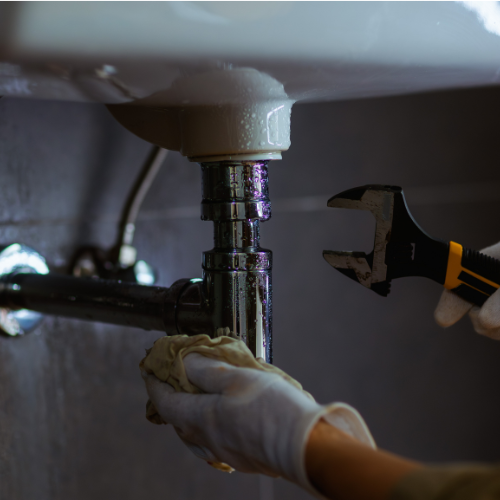
Homes built before the mid-1970s frequently used galvanized steel pipes for supply lines. Galvanized pipe has a protective zinc coating on the exterior, but over time that coating corrodes from the inside out. As the zinc erodes, the interior of the pipe develops rust scale that restricts water flow, raises water pressure on weakened pipe walls, and eventually leads to pinhole leaks or complete failure at joints and fittings.
The EPA's research on galvanized pipe corrosion in residential plumbing confirms that galvanized pipes are subject to progressive internal corrosion that accelerates over time, particularly in areas with hard water. Kootenai County's groundwater is mineral-heavy, which means galvanized pipes in older Post Falls and Coeur d'Alene homes have faced higher-than-average corrosion pressure throughout their service life.
The insidious part of galvanized pipe failure is how it happens. Pinhole leaks don't flood a room immediately. They drip slowly inside wall cavities, beneath flooring, and into insulation for weeks or months before any visible sign appears. By then, the surrounding materials have often been saturated long enough for mold to establish itself.
Cast Iron Drain Lines
Many older homes also have cast iron drain lines, particularly for main drain stacks and horizontal runs beneath floors. Cast iron is durable, but it isn't permanent. After decades of use, cast iron drain pipes develop rust scale on the interior that restricts flow and cracks on the exterior that allow moisture to escape. A cast iron drain that is cracked beneath a bathroom or kitchen floor allows wastewater and its associated contaminants to leak directly into the subfloor.
Cast iron failures beneath slabs are especially difficult to detect. Water seeps into the surrounding soil, migrates upward through the slab, and eventually shows up as unexplained moisture on the basement floor or soft spots in flooring above. By the time those signs appear, the underlying damage has typically been developing for a long time.
Outdated Fixture Connections and Shutoff Valves
Older homes also have shutoff valves at individual fixtures that may not have been operated in decades. Valves that sit in an open position for years can seize, corrode internally, and fail to close properly when needed. In a water damage emergency, a shutoff valve that won't close means water continues flowing until the main supply is shut off at the meter, which costs critical time.
Supply connections at older toilets, sinks, and appliances often use compression fittings and rubber seals that degrade over time. These aren't visible during a normal walk-through but they're a common source of slow leaks that develop behind or beneath fixtures without being noticed.
Drainage and Foundation Issues in Older Construction
Beyond plumbing, older homes in Coeur d'Alene and Post Falls often have drainage and foundation characteristics that make them more vulnerable to moisture intrusion from the outside.
Foundation Waterproofing That Has Degraded
Foundation waterproofing technology has improved significantly over the past several decades. Homes built before modern waterproofing methods were standard often relied on basic bituminous coatings or simple drain tile systems that have degraded or failed entirely over time. A foundation waterproofing system that worked adequately in 1975 has had 50 years of soil movement, freeze-thaw cycles, and hydrostatic pressure working against it.
In North Idaho, where spring snowmelt raises groundwater levels and saturates the soil around foundations for weeks at a time, a degraded waterproofing system can allow significant moisture to migrate through foundation walls. This often shows up first as efflorescence, that white chalky residue on concrete or block walls, or as persistent dampness in lower levels that seems to appear every spring and then dry out over summer.
Drain Tile Systems That No Longer Function
Many older homes were built with perimeter drain tile systems designed to intercept groundwater before it reaches the foundation. In homes from the 1960s and 70s, these systems were often installed using clay tile sections or early-generation perforated pipe that has since collapsed, clogged with roots and sediment, or simply deteriorated. A drain tile system that no longer functions is essentially no longer protecting the foundation at all.
Homeowners in older properties often don't know the condition of their drain tile because it's buried and not visible. The first indication that it isn't working is usually water appearing in the basement or crawlspace during high groundwater periods in spring, which is often attributed to unusual weather rather than a failed drainage system.
Our post on why crawlspaces in North Idaho homes stay wet long after winter ends covers the seasonal moisture dynamics that make drainage system condition so important in this region. In a crawlspace home with a failed drain tile system, spring moisture problems can persist well into summer.
Grading That Has Shifted Over Time
The soil grading around a home is supposed to slope away from the foundation, directing surface water outward rather than toward the structure. In older homes, decades of soil settling, landscaping changes, and erosion can reverse that slope, creating conditions where rainwater and snowmelt flow toward the foundation rather than away from it.
This is a gradual change that most homeowners don't notice until they start seeing moisture problems in the basement or at the base of foundation walls. Correcting grading is typically a straightforward fix, but it's one that rarely gets done unless a homeowner knows to look for it.
Building Envelope Vulnerabilities in Older Homes
The building envelope is everything that separates the inside of your home from the outside: the roof, walls, windows, doors, and any penetrations through those surfaces. In older homes, the building envelope has been through decades of weathering, and in many cases it hasn't been updated to keep pace with what it's been through.
Aging Roofing and Flashing
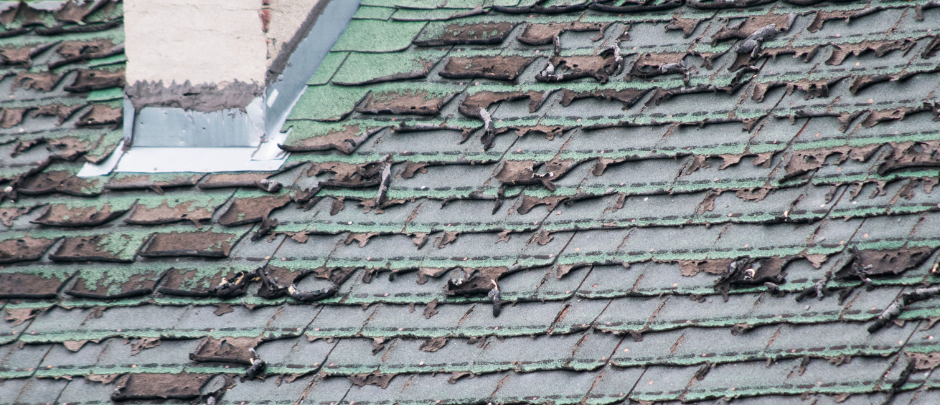
Most roofing materials have a service life of 20 to 30 years, depending on the material and conditions. An older home in Post Falls or Coeur d'Alene that still has its original or early-replacement roof is potentially approaching or past that threshold. Shingles that have lost their granules, flashing that has lifted or corroded at chimney and wall intersections, and valleys that have developed micro-cracks are all pathways for water to enter the attic and wall cavities.
The National Roofing Contractors Association guidance on roof maintenance and service life consistently identifies flashing failure and shingle granule loss as the primary early indicators of roof system deterioration. In North Idaho's climate, where freeze-thaw cycles put additional stress on roofing materials every winter, these failure points develop faster than in more moderate climates.
Attic moisture from a failing roof can develop slowly and invisibly for years. The damage shows up in the attic framing and decking long before it becomes a visible ceiling stain in the living space below.
Windows and Door Frames That Have Settled or Shifted
In an older home, the structure has gone through decades of thermal expansion and contraction, soil movement, and general settling. Window and door frames that were perfectly plumb and sealed when installed may have shifted enough over time that their original weatherproofing is no longer effective. Small gaps at frame perimeters allow wind-driven rain to enter wall cavities during storms, contributing to hidden moisture buildup that is hard to trace.
Caulking around windows and doors has a limited lifespan. In older homes where caulking hasn't been maintained regularly, it's common to find significant gaps that aren't visible from inside the home but are allowing moisture to enter during rain events.
Insulation That Has Degraded or Absorbed Past Moisture
Older homes were built with insulation materials and amounts that met the standards of their era. In many cases, that insulation has degraded over the years, been damaged by past moisture events, or been compressed by the weight of settlement. Insulation that has absorbed moisture even once and then dried doesn't return to full effectiveness, and it becomes a more hospitable environment for mold if subsequent moisture events occur.
In older crawlspaces, it's common to find insulation that has partially or completely fallen from between floor joists, leaving the subfloor exposed. Vapor barriers in those same crawlspaces are often degraded, torn, or improperly installed by original standards that didn't match what we know today about crawlspace moisture management.
The Mold Problem in Older Homes
All of the factors described above, aging plumbing, degraded drainage, a weathered building envelope, and compromised insulation, create conditions that are especially favorable for mold. And in an older home, those conditions have often been present long enough for mold to have already established itself in hidden areas.
The EPA's guidance on mold and moisture in residential buildings identifies persistent moisture as the primary driver of mold growth and notes that mold can begin developing within 24 to 48 hours of moisture exposure on organic materials like wood and drywall. In an older home where moisture has been getting into wall cavities or crawlspace framing for years, the conditions for mold growth have often been present through multiple cycles.
Mold in older homes tends to concentrate in a few specific areas: attic framing near the roof deck, crawlspace joists and subfloor, inside wall cavities near windows and plumbing, and in basement framing near foundation walls. These areas are rarely inspected during a routine home visit, and by the time mold becomes visible or causes odors that reach the living space, the colony has typically been established for a significant period.
For homeowners who want to understand how hidden moisture damage progresses over time without visible signs, our post on what happens if water damage is left untreated for 30, 60, or 90 days explains the timeline and why early detection makes such a significant difference in repair costs.
What Older Home Owners Should Do
Owning an older home in Coeur d'Alene or Post Falls doesn't mean water damage is inevitable. But it does mean that a proactive approach to assessment and maintenance is more important than it would be in a newer home.
• Have a professional moisture assessment done if the home hasn't had one recently. A restoration professional with thermal imaging and moisture meters can identify hidden moisture in crawlspaces, walls, and attic spaces that a standard home inspection won't catch.
• Identify the age and material of your supply plumbing. If the home still has galvanized steel supply lines, have a plumber assess their condition and develop a replacement plan before a failure forces the issue.
• Inspect the crawlspace or basement annually, particularly in spring after snowmelt. Look for standing moisture, efflorescence on foundation walls, condensation on pipes, and any discoloration on framing.
• Have the roof inspected every three to five years, with particular attention to flashing at chimneys, walls, and penetrations. Don't wait for a ceiling stain to find out the roof is failing.
• Check window and door caulking annually and recaulk any areas where the seal has cracked, pulled away, or deteriorated. It's inexpensive prevention for one of the most common hidden moisture entry points in older homes.
• Evaluate the soil grading around the foundation and ensure water drains away from the structure. If grading has settled toward the foundation, have it corrected before the next snowmelt season.
The IICRC S500 Standard for Professional Water Damage Restoration outlines the assessment and drying procedures that apply when water damage is discovered in a structure. For older homes where past moisture events may have gone unaddressed, having a certified professional conduct a thorough assessment before problems become visible is one of the most valuable investments an older home owner can make.
Buying an Older Home in North Idaho? Here's What to Watch For
If you're in the process of buying an older home in Post Falls or Coeur d'Alene, the standard home inspection may not tell you everything you need to know about moisture history and current condition.
Standard home inspectors are generalists. They identify visible defects and obvious concerns, but they typically don't use moisture meters or thermal imaging, and they rarely access crawlspaces beyond a quick visual check at the access point. A home that has had recurring moisture issues for years can look completely normal on a standard inspection report.
If you're serious about an older property, consider adding a specialized moisture inspection to your due diligence process. A restoration professional can evaluate crawlspace conditions, check for mold on framing, assess the condition of any visible plumbing, and give you a much clearer picture of what the home has been through.
For buyers who want to understand what water damage evidence can look like and what it means for a transaction, our post on what North Idaho homeowners should know about water damage before listing their home for sale covers the inspection and disclosure side of water damage in real estate transactions from the seller's perspective, which gives buyers useful context on what to look for and ask about.
Final Thoughts
Older homes in Coeur d'Alene, Post Falls and Spokane have a lot going for them. Character, mature landscaping, established neighborhoods, and in many cases solid construction bones that newer builds don't always match. But they also carry risk factors that accumulate quietly over decades, aging plumbing that develops pinhole leaks inside walls, drainage systems that no longer perform as designed, building envelopes that have been through 50 winters, and insulation that may have absorbed past moisture without ever being properly dried.
None of these risks are reasons to avoid older homes. They are reasons to understand what you're working with and to be proactive about assessment and maintenance in ways that newer home owners don't always have to think about. A home that has been well monitored and maintained over the years carries far less hidden risk than one that has been assumed to be fine simply because nothing obvious has gone wrong yet.
If you own an older home in North Idaho and can't recall the last time a professional looked at your crawlspace, your attic framing, or the condition of your original plumbing, is it time to find out what's actually going on in the parts of your home you rarely see?