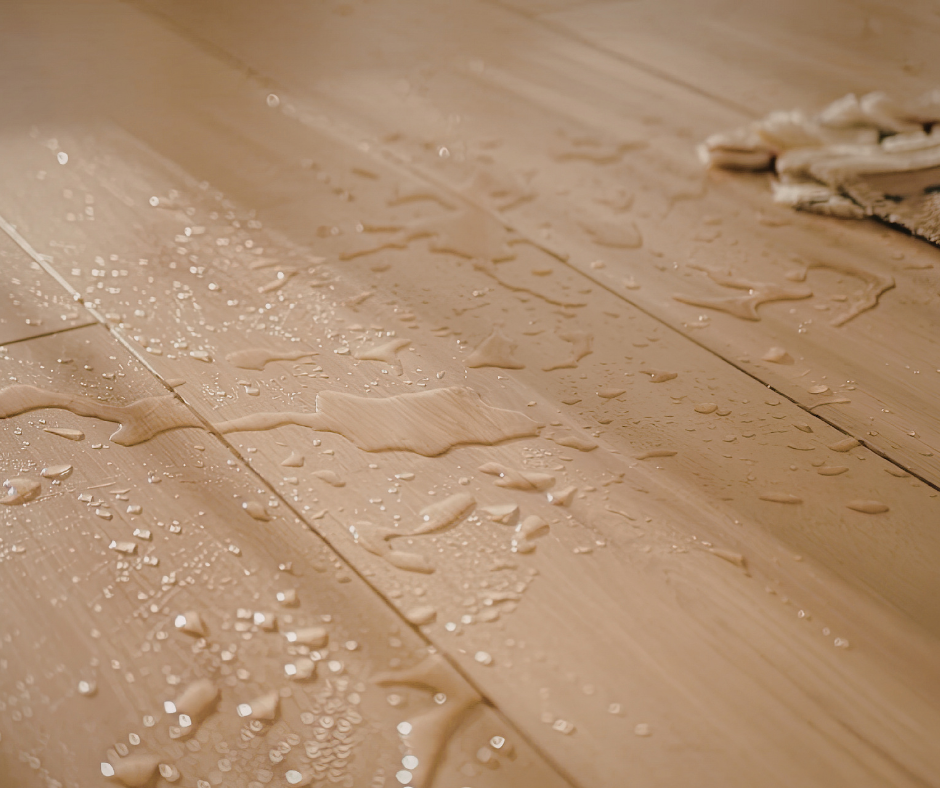

What restoration crews do with your furniture, electronics, documents, and personal items during a water damage event, what can be saved, what typically can't, and how your insurance claim covers contents.
By Matthew Ratautas | DryMax Restoration | May 2026
When a restoration crew arrives at your home after a water damage event, most of the attention goes to the structure: the floors, walls, subfloor, and building materials that need to be extracted and dried. But for many homeowners, the more immediate anxiety is about everything else. The furniture, the electronics, the photo albums, the documents, the rugs, and the dozens of other personal items that were in the path of the water.
What happens to your belongings during water damage restoration is something most homeowners have never thought about before it becomes urgent. Do the crew members move things? What can actually be cleaned and saved versus what has to go? What does your insurance cover for damaged personal property? And what can you do to protect items that matter to you while the restoration process is underway?
This guide answers those questions directly, so Post Falls, Coeur d'Alene, and Spokane Valley homeowners know what to expect before a restoration crew ever sets foot in the door.
The First Priority: Moving Belongings Out of the Way
When a restoration team arrives at a water-damaged home, one of the first practical tasks is moving items out of affected areas so that water can be extracted and drying equipment can be positioned correctly. This isn't a casual process. It's a deliberate step in the mitigation workflow.
Items in affected rooms are typically moved to unaffected areas of the home, to a garage, or in some cases to a temporary storage pod or off-site storage facility if the damage is extensive enough to make remaining in the home impractical. The restoration crew will handle this move with care, but it's worth understanding that speed matters during the early hours of a water damage event. Items are moved efficiently, not leisurely.
Before the crew arrives, if you have time and it's safe to do so, move irreplaceable items out of affected areas yourself. Photo albums, important documents, medications, electronics, jewelry, and anything with significant sentimental or financial value should be your priority. Don't put yourself at risk to do this, particularly if there's any chance of electrical hazard, but if conditions allow, protecting the things that matter most to you before a crew gets there is always a good idea.
For guidance on what to do in the critical first minutes after discovering water damage, including electrical safety and documentation steps before cleanup begins, our post on what North Idaho homeowners should do in the first 24 hours after a pipe bursts covers the immediate response sequence in detail.
How Restoration Professionals Assess Your Contents
Professional restoration teams evaluate belongings in affected areas using a salvageability framework. Every item is assessed based on the type of water it was exposed to, how long it was in contact with the water, the material the item is made from, and whether restoration is practical and cost-effective.
The Category of Water Matters for Your Belongings
The IICRC S500 Standard for Psional Water Damage Restoration defines three categories of water involved in damage events. Category 1 is clean water from supply lines or rain. Category 2 water carries some contamination, such as from a washing machine overflow or dishwasher discharge. Category 3 water is grossly contaminated, including sewage backflow, rising floodwater, or water that has been sitting long enough to grow bacteria.
The category of water your belongings were exposed to is one of the most important factors in determining what can be salvaged. Items exposed to Category 1 clean water have the best salvage potential. Items exposed to Category 3 water may need to be disposed of even if they appear intact, because contamination can penetrate porous materials in ways that cleaning cannot reliably address. Upholstered furniture, mattresses, and carpet padding exposed to Category 3 water are almost always disposed of rather than cleaned.
Porosity Determines Salvageability
The material an item is made from strongly affects whether it can survive a water exposure and be effectively restored. Hard, non-porous surfaces, like glass, metal, and sealed hard plastics, are typically cleanable and salvageable if they were exposed to clean water and dried quickly. Porous materials, including fabric, wood, paper, particleboard, and foam, absorb water and can harbor mold if not dried within a very short window.
Wood furniture falls in between. Solid wood furniture that is dried promptly and treated appropriately can often be saved, though it may need refinishing. Furniture made from particleboard, MDF, or veneer-over-composite materials is much more vulnerable. These materials absorb water rapidly, swell, and often cannot be effectively dried or restored once saturated.
Time Is a Critical Factor
How long your belongings were in contact with water before extraction began significantly affects salvageability. Items that were submerged or saturated for only a few hours have much better recovery prospects than items that sat in standing water for a day or more. Mold can begin developing on organic materials within 24 to 48 hours of moisture exposure, which is why the speed of the initial response matters so much for both your structure and your contents.
What Typically Can Be Saved
The following categories of items generally have good salvage potential when water damage is caught quickly and the water involved was Category 1 or Category 2:
• Hard surface furniture: solid wood tables, chairs, and case pieces that are dried promptly and treated with appropriate products
• Metal items: lamps, fixtures, decorative metal objects, and most kitchen metal items if cleaned and dried quickly to prevent rust
• Hard plastics and glass: most items in these categories survive water exposure well and can be cleaned and sanitized
• Clothing and linens: fabric items exposed to clean water and washed promptly are often fully recoverable
• Appliances with no water intrusion into electrical components: depends on the specific appliance and whether internal components were affected
• Area rugs: professional cleaning and drying is possible for many rugs, though the underlying pad almost always needs replacement
Even within these categories, the specific condition of each item after exposure matters. A thorough assessment by a professional is more reliable than assuming something is fine based on its category alone.
What Typically Cannot Be Saved
Some items are very difficult or impossible to effectively restore after significant water exposure, particularly when contaminated water was involved or when exposure was prolonged:
• Carpet padding: almost universally replaced after any significant water event because it retains moisture even after surface drying and becomes a mold risk
• Mattresses: foam and spring mattresses absorb water deeply and cannot be effectively dried or decontaminated
• Particleboard and MDF furniture: these materials absorb water rapidly, swell, and typically cannot be restored once saturated
• Upholstered furniture exposed to Category 2 or 3 water: contamination penetrates fabric and foam in ways that cleaning cannot reliably address
• Books, paper documents, and photographs with significant water exposure: paper-based items that were fully saturated have limited recovery options, though some specialized document restoration services exist
• Electronics that were submerged: internal components of electronics exposed to water are typically destroyed, though some cases may be assessed individually
• Drywall and insulation: these are building materials rather than personal property, but they're typically removed and replaced rather than dried in place
The decision to dispose of or attempt restoration on borderline items is often made in consultation with your insurance adjuster. Don't throw away damaged items before they've been documented and before your adjuster or restoration team has had a chance to assess them. A photo is not the same as seeing the item in person for valuation purposes.
Our post on how to document water damage for an insurance claim covers the documentation steps that matter for your personal property claim, including photographing damaged items before disposal and creating a written inventory of losses.
Contents Cleaning and Restoration Services
Professional contents restoration is a specialty service that goes beyond what the structural restoration team typically handles. For homeowners with high-value items or significant personal property losses, working with a company that offers dedicated contents restoration can make a meaningful difference in what is recovered.
Pack-Out Services
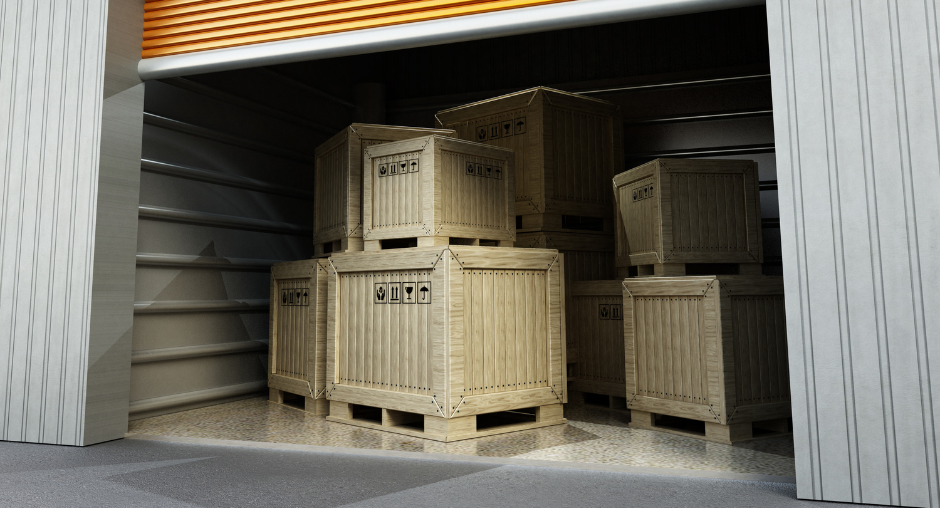
In cases of significant water damage where the home needs to be largely cleared to allow thorough drying and reconstruction, restoration companies often offer pack-out services. This involves carefully inventorying, packing, and transporting your belongings to a climate-controlled facility where they can be assessed, cleaned, and stored until the home is ready for them to return.
Pack-out services are typically covered under the contents portion of your homeowner's insurance claim. The inventory created during pack-out becomes part of your claim documentation and supports the personal property valuation process. If a pack-out is recommended for your situation, ask for a detailed inventory list before anything leaves the premises.
Ultrasonic and Ozone Cleaning
Some contents restoration specialists use ultrasonic cleaning equipment that uses high-frequency sound waves in a cleaning solution to remove contamination from hard, non-porous items including electronics components, metal objects, and some types of collectibles. Ozone treatment is used in some cases to address odors in items that were exposed to Category 2 or 3 water.
These are specialized services not offered by every restoration company. If you have high-value items that you want assessed for professional cleaning rather than automatic replacement, ask whether the restoration company works with a contents specialist or can recommend one.
Document and Photo Restoration
Documents and photographs that were water-damaged are among the most emotionally significant losses in a water event. Specialized document restoration services can sometimes recover items that appear to be a total loss, using freeze-drying and other conservation techniques.
If you have important documents or photographs that were water-damaged, do not attempt to dry them yourself by spreading them out or using heat. Place them in a sealed plastic bag and get them to a document restoration specialist as quickly as possible. The sooner they receive professional attention, the better the recovery prospects.
How Your Insurance Covers Personal Property
Homeowner's insurance typically covers personal property under the contents portion of the policy. Understanding how that coverage works before you're in the middle of a claim helps you avoid surprises.
Most standard homeowner's policies cover personal property on either an actual cash value (ACV) or replacement cost value (RCV) basis. Actual cash value means the adjuster calculates what the item was worth at the time of the loss, accounting for depreciation based on the item's age and condition. Replacement cost value means the claim covers what it would cost to replace the item with a comparable new one.
The difference between ACV and RCV can be significant, particularly for older electronics, appliances, and furniture. A ten-year-old television covered at actual cash value might be valued at a fraction of what a replacement would cost. A replacement cost value policy would cover a comparable current model. Check your policy to understand which basis applies to your contents coverage.
The FEMA National Flood Insurance Program personal property worksheet provides a structured format for documenting personal property losses in flood events. Even for non-flood water damage claims through standard homeowner's insurance, the approach of systematically listing items with descriptions, ages, and values is exactly what adjusters need to process a contents claim accurately.
Keep a running inventory of your personal property and update it when you make significant purchases. This inventory, stored somewhere outside your home like in cloud storage, becomes the foundation of your contents claim if a water event ever affects your belongings.
Our post on how to file an insurance claim for burst pipes and flood damage covers the full claims process, including the distinction between structural and contents coverage and what adjusters look for when processing each portion of a claim.
Special Considerations for Valuables and Irreplaceable Items
Standard homeowner's insurance policies often have sublimits on specific categories of high-value personal property. Jewelry, fine art, musical instruments, collectibles, firearms, and certain electronics may be subject to coverage caps that are lower than their actual value. If you own items in these categories, it's worth checking whether your policy covers them fully or whether you need a separate scheduled personal property endorsement.
For truly irreplaceable items, things with no monetary equivalent like family photographs, handmade items, or documents with deep personal significance, no insurance claim can replace the loss. The only protection for these items is keeping them somewhere that isn't vulnerable to water damage, or at minimum ensuring they're stored above floor level and away from areas where water damage events are most likely to start.
The EPA's guidance on mold in homes notes that mold can develop on organic materials including paper and fabric within 24 to 48 hours of water exposure. For items with significant personal or monetary value, the window to get them out of a wet environment and into professional care is genuinely narrow.
What You Can Do to Help During the Restoration Process
During active restoration, the crew needs access to the affected areas and the drying equipment needs to run continuously. There are things you can do to support the process and protect your interests at the same time.
• Before the crew arrives, if it's safe, move irreplaceable items to a dry, unaffected area of the home
• Create a written list of all damaged personal property as you walk through the affected areas, including approximate age and value for each item
• Photograph every damaged item before anything is moved or disposed of
• Ask the restoration team for an itemized list of everything that is being moved, packed out, or disposed of during the job
• Don't throw away damaged items before your adjuster has had a chance to see or document them
• Keep every receipt for out-of-pocket expenses you incur because of the water damage, including hotels, meals, and temporary purchases
Communication with your restoration team during the process is important. If you have specific items you're concerned about, mention them. A professional crew wants to know what matters most to you so they can handle it accordingly.
Understanding the full restoration process helps you know what to expect at each stage. Our post on what the restoration process actually looks like for North Idaho homeowners walks through the complete sequence from initial assessment through final sign-off, including how contents and structure are handled at each stage.
When to Ask About Contents Restoration Specialists
Standard restoration companies focus primarily on structural drying and building materials. For significant personal property losses, particularly those involving high-value items, electronics, or items with significant sentimental value, it may be worth asking your restoration company whether they work with dedicated contents restoration specialists.
Contents restoration is a separate specialty within the broader restoration industry. Companies that focus on contents offer services and expertise that go beyond what a structural restoration crew provides. If your water damage event has left you with a significant volume of damaged belongings, exploring contents-specific restoration is worth the conversation.
The IICRC's standards for water damage restoration cover both structural and contents restoration procedures. Working with IICRC-certified professionals, whether for structure or contents, means the work is performed to recognized industry standards with appropriate documentation.
Final Thoughts
Water damage is stressful for a lot of reasons, and the uncertainty about your belongings is one of the most immediate and personal sources of that stress. Knowing in advance what restoration crews do with your items, what can realistically be saved versus what typically can't, and how your insurance covers personal property losses doesn't make a water event easy. But it does make it less disorienting.
The homeowners who come through significant water damage events with the best outcomes for their belongings are the ones who documented thoroughly before cleanup began, communicated clearly with their restoration team about what mattered most, and worked with their adjuster to ensure the personal property portion of their claim was handled as carefully as the structural portion.
If a water damage event affected your home tomorrow and you had to list every item of personal property you own and its approximate value for an insurance claim, how confident are you that your documentation is ready to support that process?



How to Document Water Damage for an Insurance Claim: A Step-by-Step Guide for North Idaho Homeowners