
What Post Falls, Coeur d'Alene, and Spokane Valley homeowners need to know about the exclusions, documentation failures, and policy conditions that lead to denied water damage claims, and how to protect your claim before it's at risk.
By Matthew Ratautas | DryMax Restoration | May 2026
Few things are more frustrating than filing a water damage claim after a stressful event and receiving a denial letter in return. It happens more often than most homeowners expect, and in many cases it happens because of something the homeowner could have addressed before the damage occurred or in the early hours of the response.
Water damage claims in Idaho and Washington get denied for predictable reasons. The exclusions, conditions, and documentation requirements that lead to denials are written into virtually every standard homeowner's policy. Understanding them before you ever need to file a claim is one of the most practical things a homeowner in Post Falls, Coeur d'Alene, or Spokane Valley can do.
This post covers the most common denial reasons for water damage claims in our region, why each one applies, and what homeowners can do to keep their claim on solid ground from the moment damage is discovered.
Denial Reason 1: The Damage Is Classified as Gradual Rather Than Sudden
This is the most common reason water damage claims get denied in Idaho and Washington, and it catches homeowners off guard more than any other exclusion.
Standard homeowner's insurance policies cover sudden and accidental water damage. They typically do not cover gradual damage, which is damage that developed slowly over time from a leak, seepage, or moisture intrusion that wasn't reported and addressed promptly.
The Washington State Office of the Insurance Commissioner's guidance on leaks and water damage states clearly that homeowner insurance usually covers sudden leaks but may not cover gradual leaks, including seepage through walls, foundation leaks that developed over time, and water damage from a leak the homeowner knew about but didn't fix.
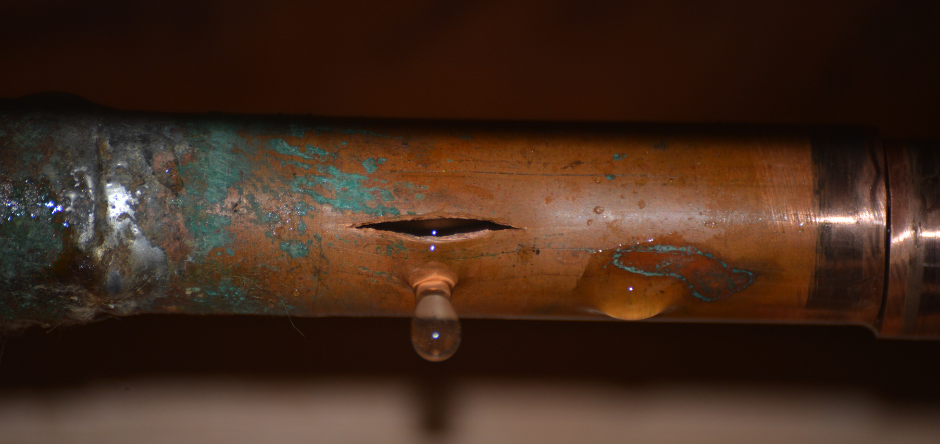
What makes this denial reason so common is that the line between sudden and gradual isn't always obvious. A pipe that has had a slow pinhole leak for months before finally failing more dramatically can be categorized as a gradual loss rather than a sudden one, particularly if there are signs of older water staining or mold around the failure point that suggest the problem existed before the event that triggered the claim.
Adjusters are trained to look for evidence of pre-existing moisture conditions during their inspection. Older staining, mold that couldn't have developed overnight, and deteriorated materials all signal to an adjuster that the damage didn't happen suddenly. When those signals are present, a denial or partial denial on gradual damage grounds becomes more likely.
How to Protect Yourself
The best protection against a gradual damage denial is genuine maintenance. Fix slow drips and leaks when you find them rather than deferring the repair. Report any water intrusion event, no matter how minor it seems, to your insurer when it happens. Keep records of maintenance and repairs so you can demonstrate that you've been proactive about your home's condition.
If you discover damage and aren't sure whether it will be characterized as sudden or gradual, be honest and thorough in your claim documentation. Attempting to conceal evidence of pre-existing conditions creates a much worse outcome than an honest gradual damage claim, which in some cases may still have partial coverage depending on the policy language.
Denial Reason 2: Flood Damage Confused with Water Damage
This is one of the most significant coverage gaps that homeowners in North Idaho and Spokane Valley encounter, and it's one that genuinely surprises people who assumed their homeowner's policy covered all water-related events.
Standard homeowner's insurance covers water damage from internal sources, such as burst pipes, appliance failures, and roof leaks. It does not cover flooding, which is defined as water entering the home from an external source such as rising rivers, storm surge, heavy rain runoff, or snowmelt overflowing drainage systems.
The Washington State Office of the Insurance Commissioner explicitly states that homeowner insurance usually doesn't cover floods and earthquakes. Flood coverage requires a separate policy, typically through the FEMA National Flood Insurance Program or a private flood insurer.
In Kootenai County and the Spokane area, spring snowmelt events and heavy rain events can push groundwater levels high enough to cause water intrusion into basements and crawlspaces that looks and feels like a plumbing problem but is actually classified as flooding by insurers. The source of the water determines the coverage, and water that entered the home from outside through the ground or foundation walls during a high groundwater event is flood damage, not covered water damage.
How to Protect Yourself
If your property is in or near a flood-prone area, check the FEMA Flood Map Service Center to understand your flood zone designation. If there is meaningful flood risk at your property, a separate NFIP policy or private flood policy is worth having. Don't assume your homeowner's policy covers everything water-related.
Our post on flood zone property in North Idaho: what Post Falls and Coeur d'Alene homeowners need to know before buying covers the flood zone landscape in Kootenai County and what flood designation means for property owners in practical terms.
Denial Reason 3: Deferred Maintenance and Neglect
Homeowner's insurance is designed to cover accidental damage, not the consequences of neglected maintenance. When an adjuster's inspection reveals that the damage resulted from a condition that should have been addressed through routine upkeep, a denial on neglect or deferred maintenance grounds is a common outcome.
Examples that commonly trigger this denial in North Idaho and Spokane Valley homes include:
• A roof that has been deteriorating for years and finally allows water into the attic during a rain event
• Gutters that were never cleaned and caused ice dams and water intrusion over multiple winters
• A water heater that shows signs of long-term corrosion and finally fails at the base
• Wood rot in window frames or sills that allowed water to enter wall cavities over time
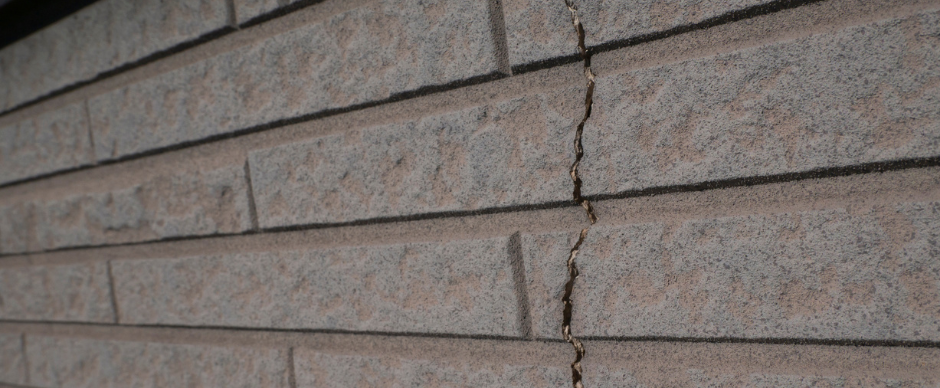
• Foundation cracks that were visible and unaddressed for years before water began entering through them
The practical problem here is that many homeowners genuinely don't know these conditions exist until something fails. A roof that looks fine from the ground may have significant shingle degradation that's only visible on close inspection. A water heater that runs normally may have been corroding internally for years without any obvious sign.
How to Protect Yourself
Regular professional inspections are the most effective protection against deferred maintenance denials. A roof inspection every three to five years, annual HVAC servicing, periodic water heater checks, and crawlspace moisture assessments create a documented record that you've been maintaining your home proactively. That record matters when a claim arises and an adjuster is trying to determine whether the damage resulted from a sudden event or accumulated neglect.
Our post on how Spokane Valley homeowners can prevent water damage before winter hits covers the seasonal maintenance steps that address the most common deferred maintenance issues before they become claim-affecting conditions.
Denial Reason 4: Vacancy or Extended Absence Clauses
Many homeowner's policies include vacancy clauses that limit or eliminate coverage if the home has been unoccupied for a specified period, typically 30 to 60 days, at the time a damage event occurs. This catches homeowners by surprise, particularly those who travel frequently, own vacation properties, or left a home vacant while transitioning between residences.
The rationale behind vacancy clauses is that unoccupied homes have no one present to catch and respond to water damage early, which means events that would be minor in an occupied home can become major losses in a vacant one. Insurers price this risk differently, and standard homeowner's policies typically aren't designed to cover extended vacancy situations.
In North Idaho, this is a meaningful issue for seasonal residents and for homeowners who travel for extended periods during winter, which is precisely when frozen pipe failures are most likely to occur.
How to Protect Yourself
Review your policy for vacancy-related language before leaving your home unoccupied for any extended period. If you're going to be away for more than 30 days, contact your insurer to understand whether your coverage is affected and what steps you can take to maintain it. Some insurers offer vacancy endorsements that extend coverage for a specific period.
Our post on how to prepare your North Idaho home for a vacation or extended absence without coming back to water damage covers the practical steps that also satisfy most insurer requirements for maintaining coverage during an absence, including setting minimum heat thresholds and arranging regular check-ins.
Denial Reason 5: Mold Exclusions
Many homeowner's policies have explicit mold exclusions or sublimits that significantly limit coverage for mold-related damage, even when the mold resulted directly from a covered water event. This is one of the most financially impactful denials because mold remediation in a structure can be substantially more expensive than the initial water damage repair.
The Washington State Office of the Insurance Commissioner's guidance on mold coverage notes that homeowner insurance usually doesn't cover damage from mold, fungi, rust, or rot, and that insurers often consider mold the homeowner's responsibility unless it results from covered water damage. Even then, coverage may be limited.
The distinction matters in practice. If a burst pipe causes water damage that is quickly remediated and mold never develops, the claim is straightforward. If the water damage goes unaddressed long enough for mold to establish itself, the mold portion of the claim may be excluded even if the original water event was covered. This is why the speed of professional response after a water event directly affects not just the physical outcome but the insurance outcome as well.
Some policies cover mold remediation up to a sublimit, such as $5,000 to $10,000, which may be far less than the actual cost of professional mold remediation in a significantly affected structure. Check your policy specifically for mold coverage language and sublimits, not just the general water damage provisions.
How to Protect Yourself
Respond to water damage events quickly and with professional help to prevent mold from establishing itself during the window when your water damage coverage is in effect. Document the response timeline thoroughly so your adjuster can see that mitigation began promptly. If your policy has a mold sublimit that concerns you, ask your agent about mold coverage endorsements that raise that limit.
Our post on what happens if water damage is left untreated for 30, 60, or 90 days explains exactly how quickly mold develops after water intrusion and why the response timeline matters so much to both the physical damage outcome and the insurance coverage outcome.
Denial Reason 6: Insufficient or Missing Documentation
This denial reason is unique because it's not about a policy exclusion. It's about a failure to provide the evidence an adjuster needs to approve the claim. Water damage claims that are poorly documented, or that had cleanup begin before any documentation was created, are significantly more likely to result in partial denials or underpayment than well-documented claims for identical damage.
Adjusters make coverage and valuation decisions based on evidence. When that evidence doesn't exist because photos weren't taken, damaged items were thrown away before documentation, or the scope of the damage changed significantly before an adjuster could assess it, the claim process becomes much more difficult.
Common documentation failures that lead to denied or reduced claims include:
• Cleaning up or removing damaged materials before documenting conditions at the time of discovery
• Failing to photograph the source of the water damage
• Not creating a written inventory of damaged personal property
• Delaying the call to the insurance company, which can raise questions about when the event actually occurred
• Throwing away damaged items before an adjuster or restoration professional has documented them
How to Protect Yourself
Our post on how to document water damage for an insurance claim provides a complete step-by-step documentation guide specifically designed for North Idaho and Spokane Valley homeowners. The sequence matters as much as the content. Documenting before cleanup is the single most important rule.
Denial Reason 7: Policy Sublimits You Didn't Know About
Beyond the major exclusions, some water damage claims are not denied outright but are significantly limited by sublimits within the policy. Sublimits are coverage caps that apply to specific types of damage or specific categories of property, and they can be substantially lower than the overall policy limit.
The Washington State Insurance Commissioner has specifically warned homeowners about policies that include optional water damage sublimits, which can restrict recovery to amounts far below the actual cost of restoration. A policy with a $500,000 limit but a $10,000 water damage sublimit provides far less protection than most homeowners assume when they see the headline coverage number.
Common sublimits to look for in your policy include water damage, mold remediation, sewer backup, and service line coverage. Each of these may have its own cap that is dramatically lower than your overall policy limit. These sublimits are often presented as features that reduce premiums, which makes them easy to accept without fully understanding their implications.
How to Protect Yourself
Read your policy declarations page carefully, specifically the schedule of coverages and any listed sublimits. If anything is unclear, ask your agent directly what the coverage cap is for water damage, mold, and sewer backup. If the sublimits are lower than what you think the cost of a significant event would be, ask about endorsements that raise those specific limits. The premium difference is typically modest compared to the coverage gap.
Denial Reason 8: The Water Came from a Sewer or Drain Backup
Sewer and drain backup coverage is a separate coverage that is not included in most standard homeowner's policies unless it's been specifically added as an endorsement. Water that enters a home through a backed-up sewer line, a floor drain, or a sump pump failure is typically excluded from standard water damage coverage.
This exclusion catches homeowners by surprise because the water itself looks the same as any other water damage event. But the source, a backed-up municipal sewer or a failed sump, is specifically excluded in most policies. The damage can be extensive and contaminated, and without the sewer backup endorsement, the entire cost falls on the homeowner.
In Post Falls and Coeur d'Alene, heavy rain events and rapid snowmelt can overwhelm municipal sewer systems and cause backflow into residential drains. This type of event is precisely what sewer backup coverage is designed for, and it's precisely what most standard policies don't cover.
Our post on sewage backflow causes dangers prevention and professional cleanup covers what sewage backup events involve and why professional cleanup is essential when they occur, regardless of how the insurance coverage question resolves.
How to Protect Yourself
Ask your agent specifically whether sewer and drain backup coverage is included in your current policy. If it isn't, the endorsement cost is typically modest and the coverage it provides is well worth having in a region where spring snowmelt and heavy rain events can overwhelm drainage systems. This is one of the most commonly overlooked gaps in residential insurance coverage in North Idaho and Spokane Valley.
What to Do If Your Claim Is Denied
A denial letter is not necessarily the final word. Both Idaho and Washington give homeowners rights when it comes to disputed insurance claims, and there are steps worth taking if you believe a denial is incorrect or unjustified.
The Idaho Department of Insurance's claims guidance for homeowners explains the claims process and homeowner rights, including the right to request a written explanation of any denial and to file a complaint with the department if you believe a claim was handled improperly.
• Request the denial in writing if you haven't received one, along with the specific policy language the insurer is relying on
• Review the cited policy language carefully and compare it to your understanding of what happened
• Gather additional documentation or professional assessments that support your position
• Consider hiring a public adjuster who works on your behalf rather than the insurer's, particularly for large claims
• File a complaint with the Idaho Department of Insurance or Washington State Office of the Insurance Commissioner if you believe the denial was improper
Many partial denials and lowball settlements are negotiable. Insurers expect some pushback on significant claims and have adjustment processes for disputed decisions. Working with an experienced restoration company that provides thorough technical documentation and is familiar with the claims process in this region can also help strengthen your position during a dispute.
Final Thoughts
Water damage claim denials in Idaho and Washington are almost always traceable to one of a small number of predictable causes: gradual damage, flood versus water damage confusion, deferred maintenance, vacancy clauses, mold exclusions, documentation failures, policy sublimits, or sewer backup exclusions. None of these are mysteries. They're written into the policy language that governs your coverage.
The homeowners who avoid denials are the ones who understood their policy before filing a claim, responded to water events quickly and with professional help, documented thoroughly from the first moment of discovery, and maintained their home in a way that supports the case for sudden and accidental damage rather than accumulated neglect.
When did you last read the water damage section of your homeowner's insurance policy, and do you know specifically what your coverage limits and exclusions are before you ever need to file a claim?






How to Document Water Damage for an Insurance Claim: A Step-by-Step Guide for North Idaho Homeowners