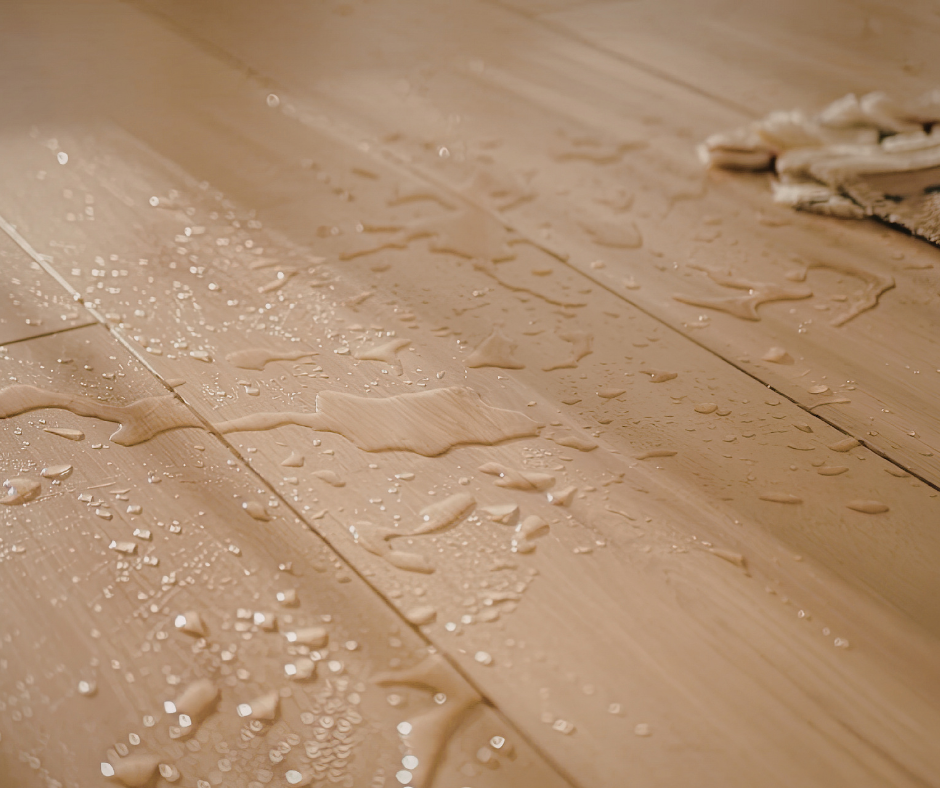

Why water damage events in Post Falls, Coeur d'Alene, and Spokane Valley homes often produce indoor air quality problems that affect occupant health long before structural damage becomes visible, and what homeowners can do about it.
By Matthew Ratautas | DryMax Restoration | July 2026
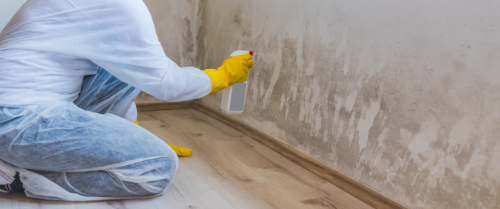
Most conversations about water damage focus on what it does to the structure: the floors, the walls, the framing, the subfloor. What gets talked about less is what water damage does to the air. The connection between water damage, mold growth, and indoor air quality is well established in the research, but it's something many homeowners don't consider until someone in the household starts experiencing symptoms that don't have an obvious explanation.
In North Idaho homes, where crawlspace moisture, attic condensation, and appliance failures create recurring opportunities for hidden moisture accumulation, the indoor air quality implications of water damage are worth understanding directly. This post covers how water damage affects indoor air quality, what health effects research has identified, and what homeowners in Post Falls, Coeur d'Alene, and Spokane Valley can do to assess and address the air quality in their homes.
The Connection Between Water Damage and Indoor Air Quality
Water damage creates conditions for biological growth in building materials. When organic materials like wood framing, drywall paper, and cellulose insulation absorb moisture and aren't dried within a critical window, microbial growth begins. That growth produces spores, volatile organic compounds (VOCs), and other airborne particles that enter the indoor air supply.
The EPA's Brief Guide to Mold, Moisture and Your Home explains that molds reproduce by producing spores that float through indoor and outdoor air. When mold grows inside a home on wet building materials, those spores become part of the indoor air that occupants breathe. The guide notes that molds produce allergens, irritants, and in some cases potentially toxic substances.
The HVAC system is a critical factor in how mold affects indoor air quality. A home where mold has established itself in a crawlspace, attic, or wall cavity may distribute mold spores throughout the entire home via the air handling system every time it runs. This is why occupants sometimes report symptoms throughout the home even when the visible mold growth is confined to one area.
What the Research Says About Health Effects
The CDC's guidance on mold and health effects documents a range of health effects associated with indoor mold exposure. For some people, mold causes a stuffy nose, sore throat, coughing or wheezing, burning eyes, or skin rash. People with asthma or who are allergic to mold may have more severe reactions. The CDC notes that immune-compromised people and people with chronic lung disease may develop lung infections from mold exposure.
Research published through the CDC's National Institute for Occupational Safety and Health found that building dampness and mold exposure has been associated with respiratory symptoms, asthma, hypersensitivity pneumonitis, rhinosinusitis, bronchitis, and respiratory infections. This research, conducted in buildings with roof leaks, plumbing leaks, and high indoor humidity, is directly relevant to residential water damage situations.
For North Idaho homeowners, the practical implication is that persistent respiratory symptoms, recurring headaches, or unexplained allergy-like responses in household members can sometimes be traced to moisture and mold conditions in the home that haven't been identified or addressed. This is particularly true in older homes with crawlspaces, where moisture conditions in the framing below the living space can affect indoor air quality throughout the home.
How Hidden Moisture Creates Air Quality Problems Without Visible Mold
One of the more challenging aspects of water damage and indoor air quality is that significant mold growth can be affecting the air you breathe long before any mold is visible. Mold in crawlspaces, inside wall cavities, under flooring, and in attic spaces is active and producing spores without any surface sign that a problem exists.
The first indication of hidden mold is often an odor, a musty, earthy smell that persists despite cleaning. The second indication is often health symptoms in occupants, particularly those who are more sensitive to mold: children, elderly individuals, people with asthma, and anyone with a compromised immune system.
The HVAC system connection is particularly important in North Idaho homes. When a crawlspace develops mold on framing and subfloor, and the home's air handling system draws air from or through that crawlspace, mold spores are distributed to every room. Occupants may notice that their symptoms worsen when the HVAC runs and improve when windows are open and the system is off. That pattern is a strong signal that the air handling system is picking up contamination from a hidden moisture source somewhere in the structure.
Our post on why crawlspaces in North Idaho homes stay wet long after winter ends covers how seasonal moisture accumulates in crawlspaces across Kootenai County and why that moisture creates ongoing conditions for the kind of biological growth that affects indoor air quality.
Sources of Water Damage That Commonly Affect Indoor Air Quality
Several water damage scenarios are particularly likely to produce indoor air quality problems in North Idaho homes:
Crawlspace Moisture and Mold
Crawlspaces with inadequate vapor barriers, poor drainage, or seasonal groundwater intrusion develop moisture conditions that allow mold to grow on floor joists, subfloor, and insulation. Because the crawlspace is below the living space and connected to it through gaps and penetrations, mold spores from the crawlspace routinely enter the home's air supply. Homes built over crawlspaces in Kootenai County should have their crawlspace moisture conditions assessed periodically, particularly after wet winters or spring snowmelt events.
Attic Condensation and Roof Moisture
Attic mold from condensation or ice dam intrusion can affect indoor air quality through ceiling penetrations, recessed lights, and attic access hatches that aren't properly sealed. Although the attic is above the living space rather than below it, spores from attic mold can still enter the home through any opening that connects the attic to the conditioned space.
Our post on why attic condensation in North Idaho homes is a hidden water damage problem most homeowners miss covers how attic condensation develops and why it often goes unaddressed for multiple seasons before the air quality effects become noticeable.
HVAC-Related Moisture
HVAC systems that have experienced condensate drain overflows, evaporator coil moisture issues, or ductwork condensation develop internal mold growth that is then distributed throughout the home with every air handling cycle. This is among the most impactful indoor air quality scenarios because the distribution mechanism, the HVAC system, reaches every room in the house.
Slow or Hidden Pipe Leaks
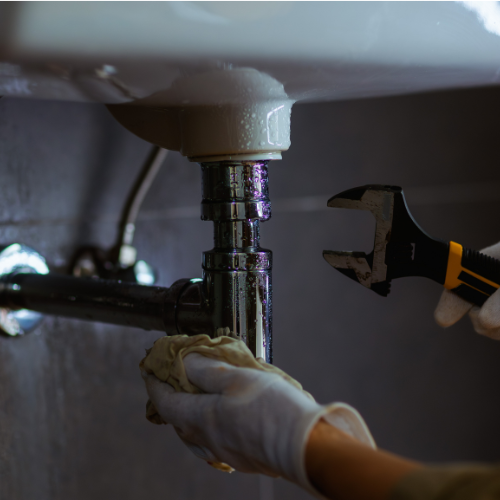
Pipes that have been slowly leaking inside wall cavities for extended periods allow mold to establish itself in the framing and insulation behind drywall without any surface sign. The affected wall may look and smell normal from the living side while supporting active mold growth on the back side of the drywall and the framing behind it.
Signs That Water Damage May Be Affecting Your Indoor Air Quality
The following indicators suggest that hidden water damage may be contributing to indoor air quality problems in your home:
• A persistent musty or earthy odor that doesn't go away after cleaning, particularly in lower levels of the home
• Respiratory symptoms that are worse at home than elsewhere and improve when occupants leave the house for several days
• Recurring allergy-like symptoms in household members that don't respond to standard treatment
• Symptoms that worsen when the HVAC system runs
• Visible condensation on interior windows or walls during winter, indicating elevated indoor humidity
• Any past water damage event that wasn't professionally assessed and verified dry
None of these signs alone confirms a mold or air quality problem. But any of them, particularly in combination, warrants investigation rather than continued assumption that everything is fine.
What to Do About Water Damage and Indoor Air Quality
If you suspect water damage is affecting your indoor air quality, the response involves two components: identifying and addressing the moisture source, and assessing the extent of any biological growth that has already developed.
Addressing the moisture source first is essential. Mold that is remediated without eliminating the moisture conditions that caused it will return. Whether the source is crawlspace groundwater intrusion, attic condensation from inadequate ventilation, a slow pipe leak, or HVAC moisture, that source needs to be identified and resolved before remediation work is meaningful.
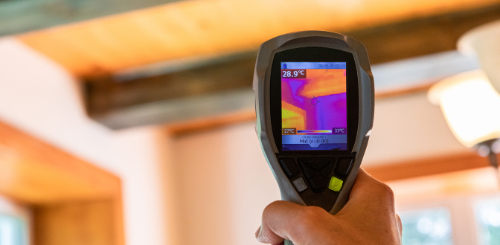
A professional moisture assessment using thermal imaging and moisture meters can identify moisture conditions in areas that aren't accessible or visible during a standard visual inspection. For homeowners with air quality concerns and no clear visible moisture problem, this kind of assessment is the most direct path to understanding what's happening inside the structure.
The EPA's guidance on mold course chapter 2 emphasizes that controlling moisture is the only reliable way to control mold, and that indoor relative humidity should be kept below 60 percent to prevent conditions that support mold growth. For North Idaho homes with crawlspace moisture or attic condensation issues, maintaining appropriate humidity levels often requires addressing the underlying moisture source rather than simply running a dehumidifier.
If mold is found and remediated, the work should be performed to IICRC S520 standards with proper documentation. Our post on why hiring IICRC certified technicians protects your home explains what those standards involve and why certification matters for the quality and completeness of remediation work.
Vulnerable Household Members and When to Act Faster
If any household members fall into higher-sensitivity categories, the threshold for acting on suspected water damage and indoor air quality concerns should be lower. These categories include:
• Children, whose developing respiratory systems are more susceptible to mold and air quality irritants
• Elderly individuals, who may have reduced respiratory resilience
• Anyone with asthma, allergies, or other existing respiratory conditions
• Immune-compromised individuals, including those undergoing cancer treatment or with HIV
For these household members, the health effects of mold exposure can be more severe and develop more quickly. The presence of unexplained respiratory symptoms or worsening existing conditions in a vulnerable household member is a more urgent indicator that a moisture and air quality assessment is warranted.
Conclusion
Water damage and indoor air quality are connected in ways that most homeowners don't fully appreciate until someone in the household is experiencing symptoms that seem unrelated to anything obvious. The moisture that gets into crawlspace framing, wall cavities, and attic spaces doesn't just damage structures. It creates biological growth that affects the air everyone in the home breathes, often long before anything visible appears.
In North Idaho's climate, where seasonal moisture exposure is a recurring reality for homes in Post Falls, Coeur d'Alene, and surrounding communities, understanding this connection and responding to the early signs is the difference between a manageable moisture assessment and a significant remediation project.
If anyone in your household has been experiencing persistent respiratory symptoms or allergy-like reactions that improve when they're away from home, have you considered whether a hidden water damage condition might be affecting the air quality in your house?





How to Document Water Damage for an Insurance Claim: A Step-by-Step Guide for North Idaho Homeowners