
How well-intentioned cleanup attempts by Post Falls and Coeur d'Alene homeowners can spread contamination, trap moisture under flooring, destroy insurance documentation, and turn a manageable situation into a much more expensive one.
By Matthew Ratautas | DryMax Restoration | June 2026
Most homeowners who deal with water damage try something themselves before calling a professional. That's completely understandable. When water is spreading across your floor, the instinct is to act. Grab towels. Start mopping. Pull up the wet carpet. Get fans running. Do something.
The problem is that a lot of what homeowners do first, with the best intentions, actually makes the situation worse. It spreads contaminated water to dry areas. It traps moisture under flooring where it can't dry. It eliminates the documentation that the insurance claim depends on. And it creates the impression that the problem is resolved when the floor feels dry to the touch, while moisture continues to accumulate in wall cavities and subfloor where nobody can see it.
This post covers the most common DIY water damage cleanup mistakes that homeowners in Post Falls, Coeur d'Alene, and Spokane Valley make, why each one matters, and when the situation genuinely calls for professional help rather than continued independent effort.
Mistake 1: Cleaning Up Before Documenting
This is the most financially costly mistake a homeowner can make after water damage, and it happens constantly. The instinct to start cleaning up immediately is strong, particularly when there are children or pets in the home or when valuable items are at risk. But the evidence you capture before cleanup begins is the foundation of your entire insurance claim.
Insurance adjusters make coverage and valuation decisions based on what the damage looked like at its worst, before any mitigation changed the picture. Stains that were cleaned before photos were taken, damaged items that were removed before documentation, and floor conditions that were altered before the adjuster could assess them all weaken your claim and can result in lower settlement or partial denial.
The FEMA guidance on documenting damage for insurance purposes specifically advises homeowners to photograph and video everything, including items they intend to discard, before removing or disposing of anything. Ten minutes of documentation before cleanup begins protects the entire financial recovery.
Our post on how to document water damage for an insurance claim covers the complete documentation process step by step.
Mistake 2: Using Regular Household Fans Instead of Professional Equipment
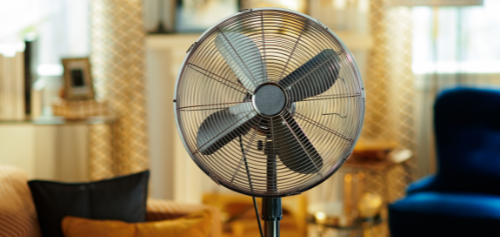
When water damage happens, homeowners typically grab every fan in the house and point them at the wet area. This feels productive. The surface of the floor dries, the air moves, and within a day or two the visible water is gone. The problem is that household fans don't dry structures. They dry surfaces.
Water that has entered wall cavities, subfloor, insulation, and framing doesn't respond to airflow across the surface. Professional structural drying requires industrial air movers positioned to create airflow inside wall assemblies combined with high-capacity dehumidifiers that remove the moisture those air movers pull into the air. Consumer fans produce neither the volume nor the positioning precision required for structural drying.
A floor that feels dry to the touch two days after a water event can have moisture readings of 30 to 40 percent in the subfloor directly below, which is well above the level that supports mold growth. Professional moisture meters measure what you can't feel. Consumer fans don't address what they can't reach.
The IICRC S500 Standard for Professional Water Damage Restoration defines the equipment, procedures, and monitoring processes required for effective structural drying. Consumer fans and dehumidifiers from hardware stores operate at a fraction of the capacity of professional equipment and are not capable of achieving the drying standards that prevent mold growth in affected building materials.
Mistake 3: Spreading Contaminated Water
Not all water damage involves clean water. Water that has come from a washing machine drain, a dishwasher overflow, a toilet backup, or standing water that has been sitting for more than 24 to 48 hours carries contamination that makes it a more serious cleanup situation than it appears on the surface.
When homeowners mop up standing water without understanding its category, they often spread contaminated water across additional areas of the home. A mop that picks up gray water from a washing machine overflow and is then used to clean adjacent hallway flooring carries that contamination with it. A wet-dry vacuum that isn't properly decontaminated between uses does the same thing.
Professional restoration teams assess the category of water before touching it and use appropriate containment, protective equipment, and cleaning protocols based on that assessment. Homeowners who don't know the category of the water they're dealing with may inadvertently convert a contained Category 2 gray water situation into a more widely distributed contamination problem.
Our post on sewage backflow causes dangers prevention and professional cleanup explains why contaminated water damage requires a fundamentally different response than clean water events and why the cleanup protocols for Category 3 water go well beyond what most homeowners can safely manage themselves.
Mistake 4: Pulling Up Carpet Without Addressing What's Underneath
Pulling up saturated carpet is actually a correct first step when done properly. The mistake is stopping there and assuming the problem is resolved once the carpet is gone. Under the carpet is the carpet padding, and under that is the subfloor, and under that is often more framing and insulation that absorbed water before anyone started pulling things up.
Carpet padding absorbs an enormous amount of water and needs to come out. But the subfloor beneath it often has elevated moisture content even after the padding is removed, and the subfloor is where mold establishes itself if drying isn't completed properly. Homeowners who remove carpet and padding, let the subfloor air dry for a few days, and then lay new flooring over it are often trapping significant residual moisture under the new floor covering.
That trapped moisture produces mold under the new flooring within weeks, and the repair is then more expensive than it would have been if the subfloor had been properly dried and verified before installation began.
Mistake 5: Using Heat to Speed Drying
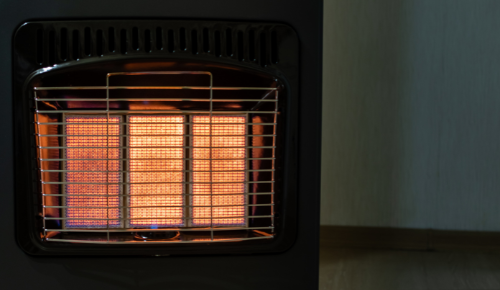
Cranking up the thermostat or using space heaters in affected rooms to speed drying is a common DIY instinct that actually works against the drying process. Warm air holds more moisture than cool air, which sounds like it would help evaporation. The problem is that the warm, moisture-laden air that rises off the wet surfaces needs somewhere to go. Without dehumidification to capture that moisture, it simply migrates to other parts of the home and condenses on cooler surfaces in unaffected rooms.
Forced air heating also pushes moist air into HVAC ductwork, wall cavities, and ceiling spaces throughout the home. A water damage event in the laundry room that might have been contained with proper equipment can spread moisture throughout the structure when excessive heating is used without dehumidification.
Mistake 6: Assuming the Problem Is Resolved When Surfaces Feel Dry
This might be the most dangerous mistake of all because it produces a false sense of resolution. A floor that feels dry to the touch, a wall that shows no visible staining, and a room that smells normal can still have moisture levels in the framing and subfloor that are well above the threshold for mold growth.
The EPA's guidance on mold and moisture notes that mold can begin growing on wet organic materials within 24 to 48 hours of water exposure, and that drying wet or damp materials promptly and completely is the most effective mold prevention measure. The critical word is completely, which requires measuring moisture content, not just observing surface appearance.
Professional restoration technicians take moisture readings before, during, and after drying to track actual progress against established baseline moisture levels for each material type. The job isn't considered complete until those readings reach acceptable targets. Surface appearance tells you nothing about whether that standard has been met.
Our post on what happens if water damage is left untreated for 30, 60, or 90 days illustrates exactly how structural and mold damage progresses when water damage is considered resolved based on surface appearance rather than verified moisture content.
Mistake 7: Not Knowing When to Stop and Call a Professional
The line between a DIY-appropriate water damage situation and one that requires professional help isn't always obvious. Here are the specific conditions that indicate professional help is needed:
• The affected area covers more than one room or has spread to multiple floor levels
• The water source was a drain backup, toilet overflow, or any water that may carry contamination
• The water has been present for more than 24 hours before cleanup began
• There is any visible mold growth, even small amounts, in the affected area
• Flooring feels soft, spongy, or shows signs of buckling, which indicates subfloor moisture
• A musty odor develops in the affected area within 24 to 48 hours of the event
• Water has reached wall cavities, which is indicated by staining or moisture at the base of walls
• The HVAC system may have been affected
Small, clean water events caught immediately, such as a refrigerator drip pan overflow or a minor appliance connection leak, can sometimes be managed with careful DIY response. Anything beyond that scope warrants a professional assessment at minimum.
Our post on how to find a trustworthy water damage restoration company in North Idaho covers what to look for in a restoration company, including the certifications and questions that distinguish professional quality from a crew with fans and a truck.
What Good Immediate Response Looks Like
Knowing what not to do is useful, but understanding what you should do in the first minutes and hours helps too. The correct immediate response is:
• Stop the water source before touching anything else
• Address electrical safety before entering areas where water has reached outlets or wiring
• Document with video and photos before any cleanup begins
• Call your insurance company to report the claim
• Contact a professional restoration company for assessment and extraction
• Move irreplaceable items to a safe location if it can be done without entering an unsafe area
Our post on what North Idaho homeowners should do in the first 24 hours after a pipe bursts walks through the complete first-response sequence in order, which applies to any significant water damage event.
Conclusion
DIY cleanup after water damage comes from a good place. Homeowners want to act fast, protect their home, and avoid what can feel like an unnecessary expense. The reality is that the most expensive water damage outcomes are almost never the events themselves. They're the events that were handled incorrectly in the first 24 to 48 hours, allowing moisture to remain in materials where it couldn't be seen, turning a contained restoration project into a months-long mold and structural repair.
Professional water damage restoration costs money. But it costs considerably less than discovering three months later that the wall you dried with household fans is now growing mold behind the drywall and the subfloor you thought was fine needs to be replaced.
If you're currently in the middle of a DIY water damage cleanup and something about the situation feels like it's not fully resolved, do you actually know what the moisture content is in the subfloor and walls, or are you relying on how the surface looks and feels?



How to Document Water Damage for an Insurance Claim: A Step-by-Step Guide for North Idaho Homeowners