
A practical pre-departure checklist for Post Falls and Coeur d'Alene homeowners to protect their home from burst pipes, hidden leaks, and water damage while they're away.
By Matthew Ratautas | DryMax Restoration | April 2026
Every year, homeowners in Post Falls and Coeur d'Alene come back from trips to find something they didn't expect. A slow drip that became a flooded bathroom. A washing machine supply hose that finally gave out on day four. A pipe in an unheated crawlspace that froze and burst while temperatures dropped below zero.
Water damage doesn't wait for you to get home. It starts the moment something fails, and in a vacant house with no one around to catch it, even a small leak can cause significant damage over the course of a few days or a week.
The good news is that most vacation water damage events are preventable. A focused 30-minute walkthrough before you leave, combined with a few simple steps, eliminates the majority of risk. This guide covers everything North Idaho homeowners should do before leaving their home unoccupied, whether for a weekend trip or an extended seasonal absence.
Why Vacant Homes Are So Vulnerable to Water Damage
The biggest factor that turns a small plumbing problem into a major restoration project is time. In an occupied home, a burst pipe or overflowing appliance gets noticed almost immediately. In a vacant home, that same event can run undetected for days.
A pipe that releases just one gallon of water per hour produces 24 gallons a day. Over a week-long vacation, that's nearly 170 gallons of water sitting in your subfloor, inside your walls, and pooling in your basement or crawlspace. By the time you get home, you're not dealing with a plumbing repair. You're dealing with a full water damage and potentially mold remediation situation.
In North Idaho specifically, the risk is amplified by the climate. Winters in Kootenai County regularly push temperatures well below freezing for extended periods. Homes that aren't maintained at a minimum temperature while unoccupied are at serious risk of frozen and burst pipes. Spring and fall bring their own hazards, including snowmelt that saturates the ground around foundations and increased humidity that can push moisture into crawlspaces and basements.
Our post on what happens if water damage is left untreated for 30, 60, or 90 days explains in detail how quickly hidden moisture damage escalates when it goes unaddressed. The timeline matters a lot when no one is home to catch the early signs.
Step 1: Shut Off the Main Water Supply
Shutting off the main water supply to the home before leaving is the single most effective thing you can do to prevent water damage during an absence. If no water is flowing into the house, a failed supply hose, a burst pipe, or a malfunctioning appliance connection cannot produce a flood.
Your main shutoff valve is typically located where the water line enters the home. In North Idaho homes this is often in the basement, crawlspace, utility room, or near the water heater. If you don't know where yours is, find it before your next trip. It should be clearly accessible and turn smoothly.
Once the water is shut off, open a faucet at the lowest point in the home to release pressure and drain the remaining water from the lines. This is especially important if you're leaving during cold weather, since residual water left in pipes can still freeze even after the main supply is closed.
One important note: if you have an automatic irrigation system or someone will be checking on the home and needs running water, you can instead shut off the individual supply valves at the highest-risk appliances. That means the washing machine, the refrigerator ice maker, and the dishwasher. These three appliances account for a disproportionate share of vacation water damage events.
Step 2: Set the Thermostat Correctly for Winter Absences
This is the step homeowners most often get wrong. Turning the heat off entirely to save money before a winter trip is one of the most common causes of frozen pipe disasters in North Idaho homes.
When indoor temperatures drop below freezing, water inside pipes expands as it freezes. That expansion creates enormous pressure inside the pipe, which eventually causes it to crack or burst. When the temperature rises again and the ice thaws, the damaged pipe releases all of that stored water into your home.
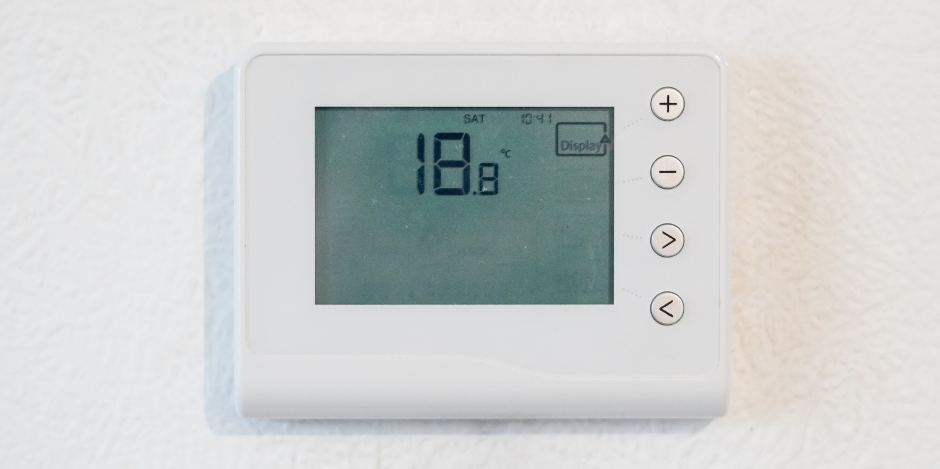
The standard recommendation from plumbers and building professionals is to keep the thermostat set to a minimum of 55 degrees Fahrenheit for any winter absence. This is warm enough to prevent pipes from freezing in most situations, even in older homes with pipes running through exterior walls or uninsulated crawlspaces.
Before you leave, also open the cabinet doors under kitchen and bathroom sinks. This allows warm air from the room to circulate around the supply lines running through those cabinets, which are often positioned on exterior walls where freezing is most likely.
The EPA's WaterSense program guidance on household water systems and plumbing professionals consistently cite frozen pipes as one of the most preventable and costly water damage events in cold climates. The cost of the extra heating during your absence is a small fraction of what a burst pipe repair and restoration costs.
Step 3: Inspect Supply Lines and Appliance Connections
Before you leave, take 10 minutes to do a quick visual check of the supply connections throughout the home. You're looking for anything that shows wear, moisture, bulging, or corrosion.
The highest-priority items to check include:
• Washing machine supply hoses: rubber hoses more than five years old should be replaced with braided stainless steel before you leave for an extended trip
• Refrigerator ice maker line: check the connection at the wall valve and at the back of the fridge for any sign of moisture or mineral buildup
• Dishwasher supply and drain connections: look under the sink for any moisture on the floor of the cabinet
• Water heater: look at the base for any rust staining, pooling, or corrosion around the fittings
• Toilets: check the supply line connection at the base of the tank and look for any moisture on the floor around the toilet
If you find anything that looks questionable, address it before you leave rather than hoping it holds. A supply hose that has a small bulge or a fitting that shows slight mineral staining is telling you it's close to failing. On a normal day at home, that's a repair you can schedule. Before a week-long absence in January, it's urgent.
For a more detailed look at where hidden leaks commonly start in North Idaho homes, our post on the most common places water damage starts in Post Falls homes that homeowners rarely check covers each of these failure points in detail.
Step 4: Check Your Sump Pump if You Have One
If your home has a basement or crawlspace with a sump pump, test it before you leave. A sump pump that fails while you're away during spring snowmelt or a heavy rain event can allow groundwater to flood the lowest level of your home quickly.
Testing a sump pump is straightforward. Pour a bucket of water into the sump pit and watch to confirm the pump activates, moves the water out, and shuts off correctly. If the pump runs but doesn't seem to be moving water effectively, or if it doesn't activate at all, have it inspected before your trip.
Also check that the discharge line from the pump is clear and that it directs water well away from the foundation. A discharge line that terminates too close to the house during heavy rain can send water right back toward the foundation it's supposed to be moving away from.
Crawlspace moisture is a persistent challenge in North Idaho homes regardless of sump pump function. Our post on why crawlspaces in North Idaho homes stay wet long after winter ends explains the seasonal dynamics that make crawlspace moisture management so important in this region.
Step 5: Install a Smart Leak Detector
A smart water leak detector is one of the best investments a homeowner can make before a vacation, especially for extended absences. These devices sit on the floor near high-risk areas and send an alert to your phone the moment they detect moisture. Some models can also shut off the water supply automatically when a leak is detected.
Priority locations for leak detectors include:
• Behind the washing machine
• Under the kitchen sink
• Near the water heater
• In the basement or crawlspace access area
• Under bathroom vanities
The cost of a basic smart leak detector has dropped significantly in recent years. A device that monitors one location and sends phone alerts typically costs between $20 and $50. For the amount of damage it can help you prevent or limit, it's a straightforward investment.
The key advantage during a vacation is early notification. Even if you can't respond personally, you can call a neighbor, a property manager, or a restoration company to respond immediately once you receive the alert. That early response window is what separates a cleanup from a major restoration project.
Step 6: Have Someone Check the Home Regularly
Technology helps, but it doesn't replace a set of human eyes. If you're going to be away for more than a few days, arrange for a trusted neighbor, friend, or property manager to check the home every two to three days.
Give them a simple checklist of what to look at:
• Check for any sound of running water when fixtures are off
• Look for water on floors in the kitchen, laundry room, and bathrooms
• Check that the furnace is running and the thermostat reads normally
• Look at the water heater for any pooling at the base
• Check the basement or crawlspace access for any signs of moisture
Also make sure your check-in person knows where the main water shutoff is and how to use it. If they walk in and find water, the first thing they need to do is cut the supply. Knowing where that valve is before an emergency is a lot more useful than trying to find it during one.
The steps for immediately responding to an active water situation are covered in our post on what North Idaho homeowners should do in the first 24 hours after a pipe bursts. If your check-in person finds an active problem, walking them through those steps quickly can make a significant difference in the outcome.
Step 7: Review Your Homeowner's Insurance Before You Leave
Many homeowners don't think about their insurance policy until they need to file a claim. Before an extended absence is a good time to pull it out and understand what's covered and what conditions might affect coverage.
Some homeowner's insurance policies have clauses that limit or void coverage for water damage that occurs while a home has been unoccupied for an extended period, particularly if the homeowner didn't take reasonable steps to prevent it. Leaving for a winter trip without setting a minimum thermostat temperature, for example, could complicate a frozen pipe claim in some policies.
Check your policy for any language about vacancy periods, minimum heating requirements, or required shutoff procedures for extended absences. If anything is unclear, call your agent and ask directly. Getting clarity before the trip is much simpler than debating coverage after a damage event.
The FEMA National Flood Insurance Program is worth noting for homeowners in or near flood-prone areas near the Spokane River and low-lying Kootenai County neighborhoods. Standard homeowner's insurance does not cover flood damage, and that distinction can matter significantly if a spring runoff event causes water intrusion while you're away.
A Pre-Departure Checklist for North Idaho Homeowners
Here's a simple summary of the steps to complete before leaving your home for any absence longer than a few days:
• Locate and test the main water shutoff valve and confirm it operates smoothly
• Shut off the main water supply or close individual appliance shutoff valves
• Set the thermostat to a minimum of 55 degrees Fahrenheit for winter absences
• Open cabinet doors under kitchen and bathroom sinks to allow airflow to pipes
• Visually inspect supply hoses on the washing machine, refrigerator, and dishwasher
• Test the sump pump if the home has one
• Place smart leak detectors near high-risk appliances and in the basement or crawlspace
• Arrange for a trusted person to check the home every two to three days
• Show your check-in person where the main shutoff valve is and how to use it
• Review your homeowner's insurance policy for any vacancy-related conditions
None of these steps take more than a few minutes individually, and most of them cost nothing at all. The combination of shutting off the water, maintaining heat, having someone check in, and having leak detection in place addresses the vast majority of water damage scenarios that affect vacant homes in North Idaho.
Final Thoughts
Coming home from a vacation should feel good. Finding water damage waiting for you is one of the more stressful experiences a homeowner can face, especially when it's clear that a simple precaution would have prevented it entirely.
In Post Falls, Coeur d'Alene, and Spokane the combination of cold winters, seasonal snowmelt, and older housing stock with aging plumbing makes vacant home water damage more common than most people expect. The homeowners who come back to dry houses are almost always the ones who took 30 minutes before leaving to go through a simple checklist.
Before your next trip out of town, have you taken a few minutes to walk through your home and confirm that everything is set up to stay safe while you're gone?