
How winter ice melt products quietly weaken concrete and increase moisture intrusion in Post Falls, Coeur d Alene, and Spokane homes
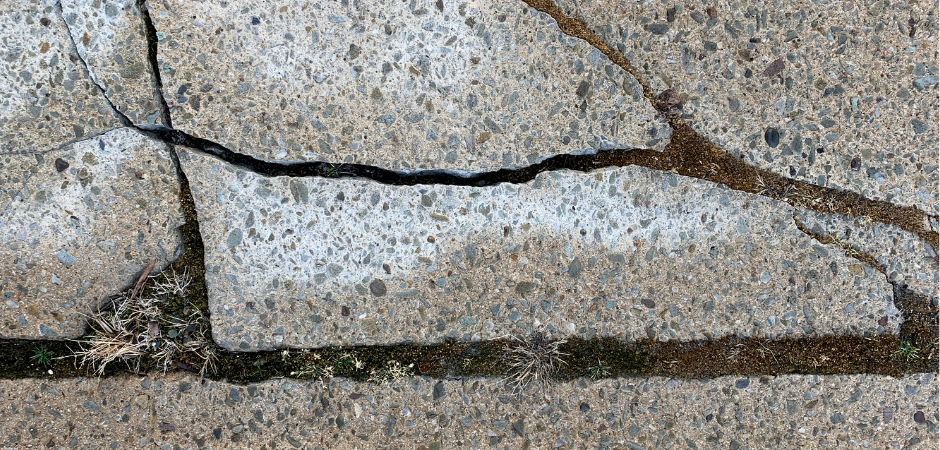
Living in Post Falls, Coeur d’Alene, and Spokane, we all know winter means snow, ice, and freezing temperatures that linger. To keep driveways and walkways safe, many homeowners use ice melt and deicing chemicals. But what most people don’t realize is that these products when used repeatedly can damage concrete and eventually contribute to water intrusion and foundation problems.
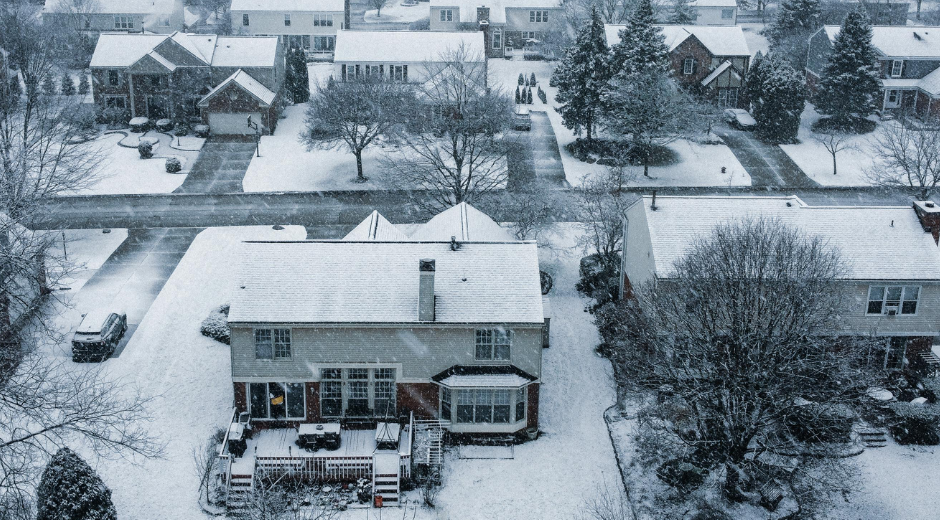
This is especially true in North Idaho’s intense freeze thaw climate, where exterior hardscapes already face seasonal stress.
Why Ice Melt Products Can Hurt Concrete
Ice melt products use salts such as calcium chloride and sodium chloride because they lower the freezing point of water and help melt ice. That works great for safety, but it can also weaken concrete over time.
When salts enter the tiny pores of concrete surfaces, they can:
• Draw moisture deeper into the concrete
• Break down the bond between aggregate and cement paste
• Accelerate freeze thaw damage as water expands and contracts
• Cause surface flaking and cracking
According to the National Roofing Contractors Association, repeated freeze thaw cycles and chemical exposure are leading causes of surface deterioration in pavements and slabs in cold climates. Their research shows that these cycles open up micro cracks that eventually allow moisture to penetrate deeper into the material.
When concrete becomes compromised at the surface, what was once a barrier to moisture becomes a pathway.
From Concrete Cracks to Moisture Intrusion
Once concrete starts cracking or scaling, it no longer effectively stops moisture from entering. Water can seep through compromised concrete and work its way toward your home’s foundation.
Here’s how that progression often looks:
- Ice melt weakens and breaks down concrete surfaces
- Small cracks and gaps form over time
- Water from snowmelt or rain enters these cracks
- Moisture travels beneath slabs toward foundation walls
- Moisture finds weak points in the building envelope
Moisture that gets under slabs or right up against foundation walls can lead to hidden problems inside the home. In fact, water that tracks through cracks often shows up first as dampness in basements or crawlspaces, the same kinds of moisture issues we talk about in our post on why crawlspaces in North Idaho homes stay wet long after winter ends.
Freeze-Thaw Cycles Make It Worse
In North Idaho, the bigger issue isn’t just chemicals it’s how water behaves once it enters the concrete.
When water soaks into cracks and then freezes, it expands. This expansion places enormous pressure inside the concrete, widening cracks over time. According to the United States Geological Survey, repeated freeze thaw cycles are one of the primary causes of pavement deterioration in cold regions.
What begins as tiny micro fractures eventually becomes pathways for water to travel more deeply into the structure.
Does This Affect Indoor Air and Health?
Moisture problems inside a home don’t stay outside. Once water gains access through foundation cracks or beneath slabs, it creates conditions that are favorable for mold growth. The Environmental Protection Agency explains that persistent indoor moisture is the leading cause of mold growth because mold spores only need moisture and organic material to thrive.
For homes in Spokane, Coeur d’Alene, and Post Falls, that means damp crawlspaces, musty basement odors, and even degraded indoor air quality if the underlying moisture issue isn’t addressed.
Seasonal Best Practices for Winter Maintenance
Protecting your concrete and foundation doesn’t mean you skip ice removal altogether. But knowing how to manage it can make a big difference.
Here are some practical tips for North Idaho homeowners:
• Shovel proactively before ice forms
• Use ice melt products sparingly and only where necessary
• Consider alternatives that are labeled as concrete safe, such as calcium magnesium acetate
• Avoid high sodium chloride products if possible
• Reseal concrete surfaces periodically to protect them
• Improve surface drainage so water moves away from the foundation
Water intrusion doesn’t have to start at major floods. Sometimes what begins as surface cracks eventually turns into deeper issues, similar to what happens with snowmelt that finds its way into basements and crawlspaces, as discussed in our spring snowmelt in North Idaho: why it causes hidden water damage in Post Falls, Coeur d'Alene homes.
When to Call a Professional
If you notice:
• Cracks forming or worsening
• Moisture near foundation edges
• Dampness in crawlspaces or basements
• Musty odors after winter
It’s worth having an expert take a closer look. Professional assessments often include moisture mapping and structural drying before small issues become expensive repairs.
Concrete repair, foundation sealing, or improved drainage solutions may also be recommended.
Protecting Concrete and Your Home in the Long Run
Ice melt and deicing chemicals are helpful tools for winter safety, but they can accelerate concrete deterioration and open the door to water intrusion that leads to mold and structural damage. By understanding how freeze thaw cycles and deicers impact concrete and taking steps to protect surfaces and drainage around your home, you can reduce the risk of water problems inside. So have you inspected your driveways, walkways, and foundation drainage before the next winter rolls in?