
Why proximity to Lake Coeur d'Alene creates elevated groundwater levels, persistent indoor humidity, and unique moisture challenges that lakeside homeowners often don't anticipate.
By Matthew Ratautas | DryMax Restoration | April 2026
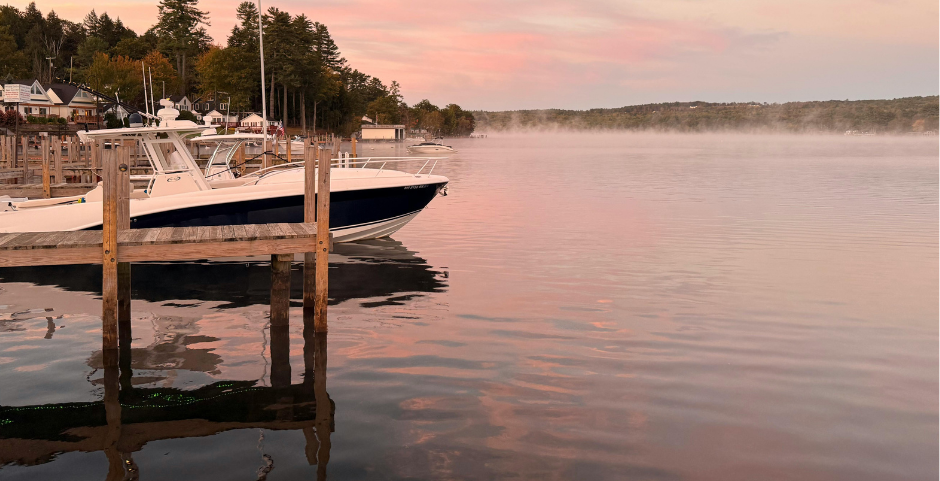
Owning a home near Lake Coeur d'Alene is one of the most desirable real estate situations in all of North Idaho. The views are stunning, the recreational access is unmatched, and the lifestyle the lake offers is genuinely hard to beat. But proximity to the lake also comes with a set of water damage risks that most lakeside homeowners either don't know about or significantly underestimate.
The lake isn't just a backdrop. It's an active influence on the moisture environment of every home within a certain radius of the shoreline. Elevated groundwater tables, persistent high humidity, seasonal lake level fluctuations, and the specific way lakefront lots drain all contribute to conditions that increase the likelihood of hidden water damage, mold growth, and structural moisture problems in ways that homes further inland simply don't face.
This post covers the specific risk factors that come with lake proximity in the Coeur d'Alene area, what warning signs to watch for, and what homeowners can do to protect their property.
Elevated Groundwater: The Invisible Risk Beneath Your Home
One of the most significant and least understood risks of lakefront and near-lake property in Kootenai County is the groundwater table. The closer a home is to the lake, the higher the groundwater table tends to be, and that has direct implications for basements, crawlspaces, and foundations.
The USGS water budget study for Coeur d'Alene Lake documented the extensive hydrologic relationship between the lake and surrounding properties, noting that groundwater levels within the lake's influence zone rise and fall in connection with seasonal lake levels. In spring, when snowmelt raises the lake, groundwater levels in adjacent properties also rise.
For homes with basements or crawlspaces, high groundwater doesn't have to flood the space to cause problems. When the water table sits close to the surface, moisture migrates upward through soil and concrete via capillary action. This shows up as persistent dampness in crawlspaces, efflorescence on basement walls, and a stubbornly elevated moisture level in lower-level building materials that never quite dries out, even in summer.
Homes built on sloped lots above the shoreline have some natural protection from groundwater intrusion because elevation creates drainage. Homes on flatter lots close to the water, or in lower-lying areas near coves and bays, face significantly higher groundwater pressure against their foundations throughout the year.
Seasonal Lake Level Fluctuations and Their Effect on Nearby Homes
Lake Coeur d'Alene doesn't maintain a constant water level throughout the year. It rises significantly in spring as snowmelt from surrounding mountains feeds into the lake system, and it draws down through summer and fall. That fluctuation, which can span several feet in a typical year, creates a cyclical pattern of groundwater pressure changes that affects lakeside properties on a predictable schedule.
During spring high water periods, the groundwater table in the vicinity of the lake reaches its annual peak. This is when basements and crawlspaces in near-lake homes are most vulnerable to moisture intrusion. Drainage systems that handle the rest of the year without problems can be overwhelmed during the spring high water period. Foundation walls that are adequately waterproofed under normal conditions may allow moisture to migrate through under the higher pressure of a high lake-level spring.
The pattern repeats every year, which means that even if a lakeside home hasn't had visible flooding, the foundation and crawlspace may have experienced repeated cycles of elevated moisture exposure over many years. That accumulated moisture history often shows up as deteriorated insulation, mold on crawlspace framing, or gradual foundation deterioration that wasn't obvious until it became a more significant problem.
Our post on why crawlspaces in North Idaho homes stay wet long after winter ends explains how seasonal moisture accumulates in crawlspaces across North Idaho. For lakeside properties, those same dynamics are amplified by the additional groundwater influence of the lake itself.
Year-Round Humidity and What It Does to Your Home
Beyond groundwater, living near a large body of water like Lake Coeur d'Alene means living in a persistently more humid environment than properties even a mile or two inland. The lake surface constantly releases moisture into the surrounding air through evaporation. In summer, this creates the pleasant, temperate lakeside climate that draws people to the area. For homes, it also means elevated indoor humidity that never fully backs off the way it does in drier inland locations.
Elevated ambient humidity affects homes in ways that are gradual but cumulative. Wood framing, subfloor, and structural members absorb moisture from the air over time, particularly in areas of the home that don't have good airflow. Crawlspaces and attic spaces in lakeside homes tend to maintain higher moisture content in their framing than comparable spaces in inland homes, even when there's no specific leak or intrusion event to point to.
That persistent baseline moisture creates more favorable conditions for mold growth. Mold doesn't require a flood or a burst pipe. It requires sustained moisture above a certain threshold, which is exactly the condition that high-humidity environments near large bodies of water tend to provide. A crawlspace that maintains 75 to 80 percent relative humidity through summer because of lake-proximity humidity is a crawlspace where mold is likely to be establishing itself on wood surfaces, even without any visible water event.
The EPA's guidance on mold and indoor moisture identifies sustained indoor humidity above 60 percent as a primary driver of mold growth in residential structures. In lakeside homes where ambient outdoor humidity is consistently elevated, maintaining indoor humidity at appropriate levels requires more active management than most homeowners apply.
Flood Zone Designation and What It Means for Lakeside Properties
Many properties near Lake Coeur d'Alene fall within designated flood zones, though the boundaries vary considerably depending on lot elevation, proximity to the shoreline, and local drainage patterns. Understanding your property's flood zone status is important both for insurance purposes and for understanding the actual risk profile of the home.
FEMA's Flood Map Service Center, available at msc.fema.gov, allows homeowners to look up the official flood zone designation for any property address. For lakeside Coeur d'Alene properties, this is worth doing if you haven't already. Properties in Zone AE or Zone A face the highest flood risk and are typically required by lenders to carry separate flood insurance.
What many homeowners don't realize is that flood zone designation doesn't have to mean dramatic flooding events. Low-level flooding, where water enters a crawlspace or seeps through a foundation during a high lake year or an unusually wet spring, counts as a flood event even if it doesn't produce standing water in the living space. These minor intrusion events often go unreported because they seem manageable, but the cumulative moisture they introduce into crawlspace and foundation materials contributes to long-term structural and mold problems.
Our post on flood zone property in North Idaho: what Post Falls and Coeur d'Alene homeowners need to know before buying covers the flood zone landscape in Kootenai County in detail, including what different zone designations actually mean for property owners and what insurance implications come with them.
Dock and Shoreline Structures as Moisture Entry Points
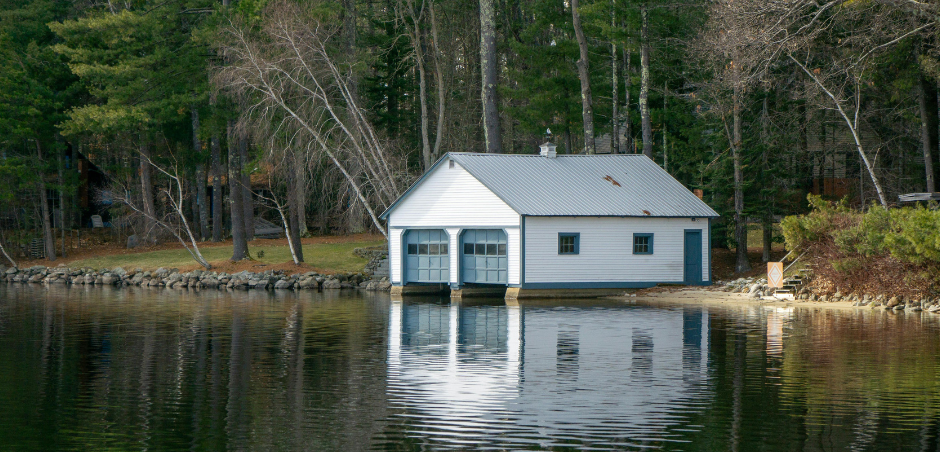
Lakefront homes with docks, boat houses, or shoreline outbuildings face additional moisture risks that purely residential structures don't have. These structures are in direct contact with lake water, and when they're attached to or built adjacent to the main home, they can create pathways for moisture to migrate toward the primary structure.
Dock and Boathouse Connections
Covered docks and boathouses that connect to the main home via walkways or attached structures can allow lake-level humidity and moisture to travel toward the house. Enclosed boathouses in particular maintain very high interior humidity because of the open water surface they're built over. If there's any structural connection between a boathouse and the main home, that moisture has a pathway in.
Gaps in siding, inadequate flashing at roofline transitions, and any wood-to-concrete connections that don't have proper moisture barriers are common entry points in these transition areas. Because they're at the interface between a lake structure and a residential structure, they often don't get the same attention during maintenance inspections that the main home does.
Shoreline Erosion and Foundation Exposure
Properties right on the shoreline also face the risk of erosion over time, particularly during high lake years or storm events on the lake. Shoreline erosion can expose foundation elements that were originally below grade and protected by soil. Once exposed, those elements face direct moisture contact and the accelerated deterioration that comes with it.
Foundation elements that were designed to be buried and protected from direct water contact often don't have the same surface protection as above-grade materials. When erosion exposes them, moisture intrusion into the foundation can follow relatively quickly.
What Lakeside Homeowners Should Watch For
Given the combination of elevated groundwater, persistent humidity, seasonal lake level fluctuations, and potential shoreline structure issues, lakeside homeowners near Lake Coeur d'Alene should be more proactive about moisture monitoring than homeowners in other settings.
Specific warning signs worth watching for include:
• Persistent musty odors in the home, particularly in lower levels, even when everything appears dry
• Efflorescence on basement or crawlspace foundation walls, indicating water has been migrating through the concrete
• Insulation in the crawlspace that appears compressed, discolored, or has fallen from between floor joists
• Any soft spots in flooring above the crawlspace, which often indicate long-term subfloor moisture
• Mold staining on crawlspace framing or attic rafters, which can be visible with a flashlight inspection
• Interior humidity levels that remain elevated even when windows are closed and the HVAC system is running
• Condensation on interior windows or walls during winter, which indicates indoor humidity is higher than it should be
A professional moisture assessment using thermal imaging and moisture meters can identify hidden moisture conditions in crawlspaces, wall cavities, and attic spaces that aren't apparent during a visual inspection. For lakeside properties, scheduling one of these assessments every few years is genuinely worthwhile given the elevated baseline moisture environment.
If moisture has been present in your crawlspace or foundation area for an extended period, our post on what happens if water damage is left untreated for 30, 60, or 90 days explains how structural and mold damage progresses over time and why the length of exposure matters so much to the eventual repair scope.
Protective Measures That Make a Real Difference
Living near the lake doesn't mean accepting higher water damage risk as inevitable. Several protective measures can significantly reduce the moisture risk for lakeside properties.
• Install a vapor barrier in the crawlspace if one isn't already in place, and inspect existing barriers for tears, gaps, or areas where the barrier has pulled away from the foundation walls
• Run a dehumidifier in the crawlspace through spring and summer to maintain relative humidity below 60 percent, which is the threshold below which mold growth is significantly inhibited
• Ensure crawlspace vents are functioning correctly and not blocked by debris or insulation
• Have the foundation drainage system inspected to confirm it's still functioning. Older lakeside homes may have drain tile systems that have degraded over the years
• Seal any visible cracks in foundation walls with appropriate waterproofing materials and consider applying a penetrating waterproof coating to foundation walls in the crawlspace
• Install a sump pump in the crawlspace or basement if one isn't present. Test it annually before the spring high water season
• Monitor indoor humidity levels with an inexpensive hygrometer and run the HVAC system or a standalone dehumidifier to keep levels below 60 percent year-round
For properties with dock or shoreline structures attached to or near the main home, having the transition areas inspected annually for moisture entry points and flashing integrity is worth adding to the regular maintenance schedule.
Buying a Lakeside Property Near Coeur d'Alene? What to Check
If you're in the process of buying a lakeside or near-lake property in the Coeur d'Alene area, a standard home inspection may not give you a complete picture of the moisture history of the home. Inspectors typically don't use moisture meters or thermal imaging, and crawlspace inspections are often limited to a look through the access point rather than a full assessment.
Consider adding a specialized moisture assessment to your due diligence process, particularly for properties that are right on or very close to the shoreline, properties in low-lying areas near coves or inlets, and older properties that may have had years of elevated groundwater exposure without proactive moisture management.
Ask the seller directly about any history of crawlspace moisture, basement dampness, or mold treatment. Idaho disclosure requirements mean sellers must disclose known material defects, but moisture history that hasn't risen to the level of a formal remediation may not be volunteered without a direct question.
Our post on what North Idaho homeowners should know about water damage before listing their home for sale covers what sellers are required to disclose and how inspectors approach water damage assessment, which gives buyers useful context for what questions to ask and what to look for during due diligence.
Final Thoughts
Lake Coeur d'Alene is one of the genuine treasures of North Idaho, and the homes that sit near its shores are among the most sought-after properties in the region. But that proximity to the water comes with a moisture risk profile that is meaningfully different from inland properties, and homeowners who don't account for it often find themselves dealing with crawlspace mold, foundation moisture, and hidden water damage that accumulated gradually over many seasons.
The good news is that most of these risks are manageable with the right combination of drainage maintenance, humidity control, regular inspection, and proactive waterproofing. Lakeside living doesn't have to mean constant moisture problems. It does mean being more intentional about moisture management than you might need to be in a drier location.
If you own a home near Lake Coeur d'Alene and haven't had a professional moisture assessment in the past few years, do you actually know what's going on in your crawlspace and foundation right now?