
How condensation drain lines, evaporator coils, and ductwork issues quietly cause hidden moisture damage and mold in Post Falls, Coeur d'Alene, and Spokane homes.
By Matthew Ratautas | DryMax Restoration | April 2026
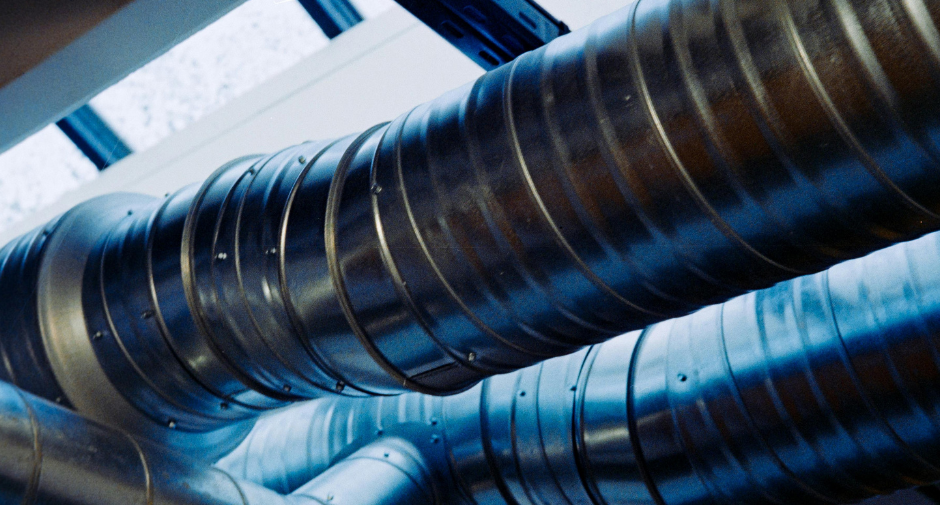
When homeowners in Post Falls and Coeur d'Alene think about water damage, they tend to think about burst pipes, flooded basements, or roof leaks after a heavy storm. The HVAC system almost never comes to mind. And that's exactly why it causes so much damage.
Heating and cooling systems move large volumes of air through a home every day. In the process, they also move moisture. When something in that system isn't working correctly, whether it's a clogged drain line, a frozen evaporator coil, or ductwork that's sweating in a crawlspace, the moisture that should be managed properly ends up somewhere it doesn't belong.
The result is often hidden water damage. It builds slowly, stays out of sight, and by the time a homeowner notices something is wrong, the damage has usually been developing for weeks or months. This post covers the most common ways HVAC systems cause water damage in North Idaho homes and what homeowners can do to stay ahead of it.
How HVAC Systems Produce and Manage Moisture
To understand how an HVAC system can cause water damage, it helps to understand how it deals with moisture in the first place.
When a central air conditioning system cools your home, it doesn't just lower the temperature. It also removes humidity from the air. Warm, humid air passes over the evaporator coil inside the air handler, and the moisture in that air condenses on the cold coil surface, much like the way a cold glass sweats on a warm day. That condensed water drips into a drain pan beneath the coil and then flows out through a condensate drain line, typically to a floor drain, utility sink, or exterior discharge point.
In a well-maintained system, this process runs smoothly and the homeowner never thinks about it. The problems start when any part of that drainage system gets disrupted. A clogged drain line, a cracked drain pan, or a disconnected condensate tube can redirect that water somewhere it was never meant to go.
According to the U.S. Department of Energy's guidance on residential HVAC systems, a central air conditioner can remove anywhere from 5 to 20 gallons of water from indoor air per day depending on humidity levels and system size. In a humid summer in Kootenai County, that's a significant volume of water moving through your system every single day.
The Most Common HVAC-Related Water Damage Problems
Clogged Condensate Drain Lines
The condensate drain line is one of the most frequently ignored components of a central air conditioning system. It's a small plastic tube, usually PVC, that carries water from the drain pan to a discharge point. Over time, algae, mold, and debris can build up inside the line and cause a partial or complete clog.
When the drain line clogs, water backs up into the drain pan. If the pan overflows, water spills into the air handler cabinet, then into the ceiling, wall cavity, or floor below, depending on where the system is installed. In homes where the air handler is in the attic or a second floor mechanical closet, a clogged drain line can cause significant ceiling and drywall damage before anyone notices.
This is one of the most common calls restoration companies receive in late summer. A homeowner notices a water stain on the ceiling, assumes it's a roof leak, and calls a roofer. The roofer finds nothing wrong. Eventually the HVAC system gets looked at and the clogged drain line is found, often after the damage has already spread.
Cracked or Corroded Drain Pans
The drain pan that sits beneath the evaporator coil is typically made of metal or plastic. Over years of use, metal pans corrode and develop rust holes. Plastic pans can crack from age or temperature stress. Either way, a damaged pan allows water to leak out continuously rather than draining properly.
Because the pan is inside the air handler cabinet and not visible during a normal visual inspection, cracks and corrosion often go undetected for a long time. The first sign is usually a water stain or soft spot in the material below the air handler, whether that's drywall, subfloor, or insulation.
Frozen Evaporator Coils
A less obvious HVAC moisture problem is a frozen evaporator coil. When airflow across the coil is restricted, often because of a dirty air filter, blocked vents, or low refrigerant, the coil gets too cold and ice forms on its surface. That ice isn't immediately a problem, but when the system cycles off and the ice melts, it can produce more water than the drain pan and line are designed to handle in a short period of time.
Signs of a freezing coil include reduced cooling efficiency, ice visible around the outdoor unit or refrigerant lines, and water pooling near the air handler after the system shuts down. Regularly changing air filters is one of the simplest ways to prevent this from happening.
Sweating Ductwork in Crawlspaces and Attics
In North Idaho homes with ductwork running through crawlspaces or unconditioned attic spaces, condensation on the exterior of ducts is a real and underappreciated moisture source. When cold air flows through ducts in a warm, humid space, the exterior surface of the duct gets cold and moisture from the surrounding air condenses on it. That condensation drips onto insulation, wood framing, and subfloor materials below.
This is especially common in late spring and early summer when crawlspaces are still cool from winter and the air conditioning system starts running for the season. The temperature differential between the duct surface and the crawlspace air can be significant enough to produce a steady drip of condensation that goes completely unnoticed.
Crawlspaces in North Idaho already face unique moisture challenges. Our post on why crawlspaces in North Idaho homes stay wet long after winter ends explains the seasonal moisture dynamics that make sweating ductwork an even bigger issue in this region.
Why HVAC Water Damage Often Goes Undetected
Part of what makes HVAC-related water damage so problematic is where it tends to occur. Air handlers installed in attics, mechanical closets, or utility rooms are not spaces homeowners visit regularly. Ductwork in crawlspaces is even less visible. The damage accumulates in these hidden areas over time, and the first visible sign often appears somewhere else entirely, a ceiling stain in a bedroom, soft flooring in a hallway, or a musty smell that seems to come from nowhere specific.
The EPA's guidance on indoor air quality and moisture identifies HVAC systems as a significant contributor to indoor moisture problems when not properly maintained. Their research highlights that moisture from cooling systems is one of the primary drivers of mold growth in residential buildings, particularly in areas with seasonal humidity fluctuations.
The delay between when the problem starts and when it becomes visible is what causes the most damage. A drain pan that has been overflowing slowly for six weeks has saturated insulation, potentially rotted framing, and created ideal conditions for mold growth by the time the ceiling stain below it becomes obvious.
Our post on what happens if water damage is left untreated for 30, 60, or 90 days covers in detail how hidden moisture damage progresses over time and why the length of the delay matters so much to the final repair cost.
Mold and Indoor Air Quality Risks from HVAC Moisture
Mold thrives in exactly the conditions that HVAC water damage creates: consistent moisture, organic material like wood and drywall, and limited airflow. An air handler cabinet that has been dripping water internally for weeks, or a section of ductwork sitting in a damp crawlspace, can develop mold growth that then gets distributed through the home's air supply.
This is a meaningful concern for indoor air quality. When mold grows inside or near an HVAC system, spores can be picked up by the airflow and distributed to every room in the house. Occupants may experience respiratory irritation, allergy symptoms, or persistent musty odors without being able to identify the source.
The EPA's mold guidance for homeowners emphasizes that mold in HVAC systems is particularly problematic because the system itself becomes a distribution mechanism. Standard surface cleaning is not sufficient when mold has established itself inside ductwork or air handler components. Professional assessment and remediation are required to address the problem at its source.
If you've noticed a musty smell that seems to worsen when your HVAC system is running, that's a specific and important warning sign. Mold that exists elsewhere in the home typically produces odors that are more localized. Odors that intensify when the system kicks on suggest mold is present within the system itself or in areas of ductwork.
HVAC Maintenance That Prevents Water Damage
The good news is that most HVAC-related water damage is preventable with consistent maintenance. The following steps address the most common failure points.
Change Air Filters on Schedule
A clogged air filter is the root cause of several HVAC moisture problems, including frozen coils and reduced airflow that stresses the entire system. Filters should be changed every one to three months depending on the filter type, household size, and whether pets are present. Homes with pets or anyone with allergies should lean toward monthly changes during periods of heavy system use.
Flush the Condensate Drain Line Annually
Once a year, typically at the start of the cooling season, the condensate drain line should be flushed to clear any algae or debris buildup. A simple method is to pour a cup of distilled white vinegar into the drain pan access point and let it sit for 30 minutes before flushing with water. Some homeowners also use condensate drain line tablets that dissolve slowly and inhibit algae growth throughout the season.
If your system has a secondary drain pan or a float switch designed to shut the system off when the primary drain clogs, make sure those components are also checked and functional. Float switches save homeowners significant damage by cutting power to the system before an overflow occurs.
Inspect the Drain Pan During HVAC Servicing
When an HVAC technician services your system, ask them to inspect the drain pan directly for cracks, corrosion, and standing water. This is a quick check that often gets skipped in a routine tune up. A technician who finds a corroded metal pan can flag it for replacement before it fails completely.
Insulate Ductwork in Unconditioned Spaces
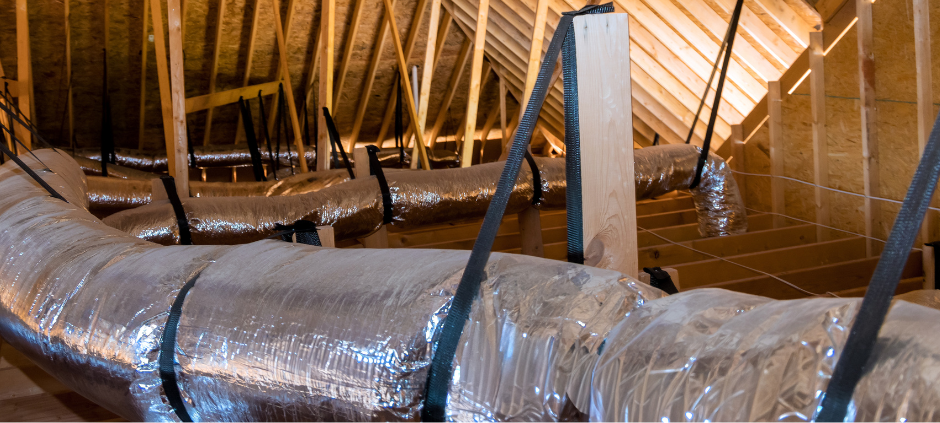
If your home has ductwork running through a crawlspace or unconditioned attic, that ductwork should be properly insulated to prevent condensation on the exterior surface. Duct insulation that has been damaged, compressed, or has gaps allows cold duct surfaces to contact warm, humid air and produce condensation. A qualified HVAC contractor can inspect ductwork insulation and identify sections that need attention.
Schedule Annual Professional HVAC Inspections
A professional HVAC inspection once a year, ideally before the cooling season starts, is the most comprehensive way to catch potential moisture problems before they develop. A qualified technician will check refrigerant levels, inspect the evaporator coil, test drain line flow, verify drain pan condition, and assess overall system performance. The cost of an annual inspection is a fraction of what water damage remediation costs after a drain overflow or coil failure.
The IICRC's standards for water damage restoration make clear that HVAC-related water intrusion is treated as a legitimate water damage event requiring proper assessment and drying. If a drain overflow or coil issue has caused water to enter building materials, treating it as a minor inconvenience rather than a restoration situation often leads to ongoing mold and structural problems.
What to Do If You Suspect HVAC-Related Water Damage
If you notice any of the following, it's worth investigating whether your HVAC system is the source:
• Water stains on ceilings near or below the air handler location
• Soft or discolored drywall around HVAC closets or mechanical rooms
• Standing water or moisture near the air handler base
• A persistent musty smell that worsens when the system runs
• Reduced cooling efficiency paired with water pooling near the unit
• Visible mold on supply or return air vents
Start by shutting the system off to stop any active water release. Check the drain pan for standing water and look for obvious overflow points. If you can access the condensate drain line cleanly, try to clear it. Then call an HVAC technician to address the mechanical issue and a restoration professional if water has already entered wall cavities, ceilings, or flooring.
The key is not to let the mechanical fix be the only response. Getting the HVAC system working again doesn't undo the moisture that has already entered building materials. Professional moisture assessment and structural drying are necessary if water has been releasing inside walls or ceilings for any meaningful period of time.
If a burst or failed component has released significant water into your home, the response steps in our post on what North Idaho homeowners should do in the first 24 hours after a pipe bursts apply equally well to HVAC overflow situations where water has entered the structure.
North Idaho Climate Factors That Make HVAC Moisture Worse
The climate in Kootenai County and the greater Spokane area creates specific conditions that amplify HVAC moisture risks compared to drier regions.
Spring and early summer bring significant humidity as snowmelt saturates the ground and moisture from Lake Coeur d'Alene and surrounding waterways raises ambient humidity levels. When air conditioning systems start running for the season in homes where ductwork passes through still-cool crawlspaces, the temperature differential between duct surfaces and crawlspace air is at its greatest. This is when condensation on ductwork is most likely to be producing moisture.
Summer thunderstorms also raise outdoor humidity quickly, which increases the load on air conditioning systems trying to dehumidify indoor air. A system that is already running close to capacity, or one with a partially clogged drain line, is more likely to have overflow issues during extended humid periods.
Winter brings its own HVAC moisture risk. When forced air heating systems run in homes with older ductwork, temperature differentials between supply air and cold basement or crawlspace environments can produce condensation on the outside of supply ducts. Over a long winter heating season, that condensation adds up.
Final Thoughts
HVAC systems are essential to comfortable living in North Idaho, but they also manage significant volumes of moisture every day. When any component of that moisture management system fails, whether it's a clogged drain line, a cracked pan, a frozen coil, or poorly insulated ductwork, the result is often hidden water damage that develops slowly and expensively.
The preventive measures are straightforward. Regular filter changes, annual drain line maintenance, professional inspections before the cooling season, and properly insulated ductwork in crawlspaces and attic spaces all go a long way toward keeping HVAC moisture where it belongs. Getting ahead of these issues is considerably easier and less costly than dealing with the damage after the fact.
If you can't remember the last time your HVAC system was professionally inspected or your condensate drain line was flushed, is it time to schedule that service before cooling season gets underway?